When you're managing sustainable energy projects, particularly those involving wind power, you need accurate data to make informed decisions. Wind monitoring isn't just a nice-to-have addition: it's the foundation that determines whether your project succeeds or fails. Without proper monitoring systems in place, you're essentially building in the dark.
Your sustainable energy initiatives deserve better than guesswork. Wind monitoring provides the critical insights that transform ambitious renewable energy plans into profitable, reliable power sources for your community.
Understanding Wind Monitoring Fundamentals
Wind monitoring involves systematically collecting and analyzing data about wind conditions at potential or existing project sites. You'll track wind speed, direction, air pressure, temperature, and turbulence patterns over extended periods: typically 12 months or more.
This data collection process gives you the complete picture of a site's wind resource potential. You're not just measuring how fast the wind blows today; you're building a comprehensive profile of seasonal patterns, daily variations, and long-term trends that will impact your project's performance for decades.
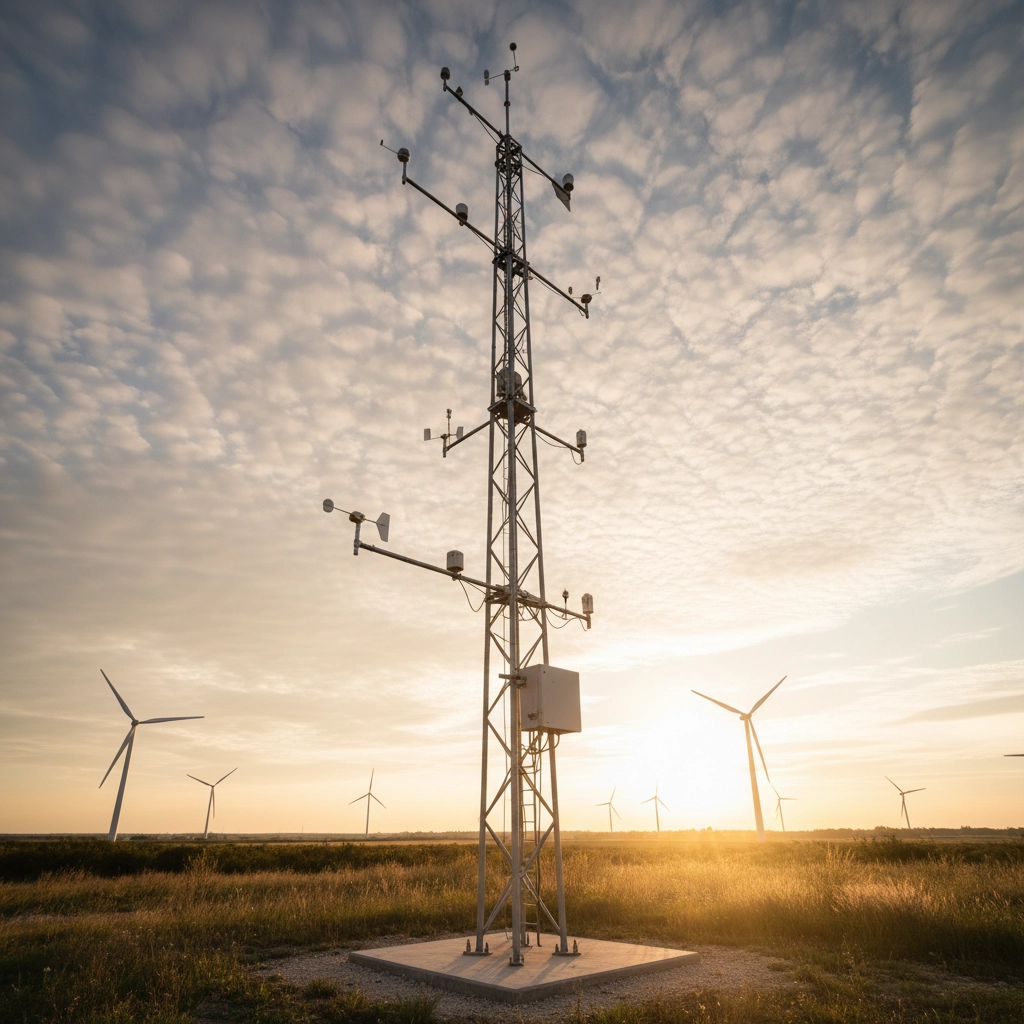
Modern monitoring systems use meteorological towers, remote sensing devices, and advanced data loggers to capture precise measurements. These tools provide the detailed information you need to evaluate site suitability, predict energy output, and optimize system design.
Selecting Optimal Sites Through Data-Driven Decisions
Your site selection process becomes significantly more effective when you base decisions on comprehensive wind data rather than assumptions or limited observations. Areas with high and consistent wind speeds are ideal for wind energy projects, but identifying these locations requires systematic monitoring.
Wind characteristics vary dramatically based on location, altitude, terrain features, and local weather patterns. A site that appears promising during a brief visit might have insufficient wind resources during certain seasons or experience turbulence that reduces efficiency.
Focus your monitoring efforts on measuring these critical factors:
- Average and peak wind speeds throughout different seasons
- Wind directional consistency and prevailing patterns
- Turbulence levels and their impact on equipment
- Terrain influences and potential wake effects from obstacles
- Seasonal variations that affect annual energy production
Accurate resource assessment prevents costly mistakes. You'll avoid investing in locations with insufficient wind resources, while identifying sites with exceptional potential that might otherwise be overlooked.
Maximizing Performance and Energy Yield
Long-term wind data collection enables you to create detailed performance models that predict energy output with remarkable accuracy. These predictions form the foundation for financial modeling, helping stakeholders assess project viability and return on investment.
Your performance optimization efforts benefit from continuous monitoring throughout the operational phase. Real-time wind data improves power output predictions and enables automated systems to make intelligent operational decisions. Turbines can adjust their settings based on current conditions, shut down safely during extreme weather, or optimize their orientation for maximum energy capture.
Advanced monitoring systems interface directly with turbine control systems, making split-second adjustments that maximize efficiency while protecting equipment. This level of integration ensures your wind farm operates at peak performance regardless of changing conditions.
Consider implementing predictive analytics that use historical wind patterns to forecast future performance. These forecasts help you plan maintenance schedules, anticipate energy production, and optimize grid integration strategies.
Reducing Risk and Managing Costs Effectively
Wind monitoring significantly reduces uncertainty in your sustainable energy projects. Accurate forecasting helps you avoid underperforming installations that fail to meet energy production expectations or financial projections.
Your risk management strategy improves when you have reliable data about wind patterns and their variability. You can identify potential challenges early, design systems that handle local conditions, and establish realistic performance expectations for stakeholders.
Cost management benefits from monitoring in several ways:
- Optimal turbine selection based on site-specific wind conditions
- Efficient layout design that minimizes wake effects and maximizes energy capture
- Precise maintenance scheduling that reduces downtime and extends equipment life
- Better financial modeling that attracts investors and secures favorable financing
Errors in site assessment can lead to poor performance, reduced returns, or complete project failure. Wind monitoring eliminates guesswork and provides the data foundation needed for successful project development.
Implementing Predictive Maintenance Strategies
Modern wind monitoring systems enable predictive maintenance approaches that transform how you manage equipment reliability. Instead of following rigid maintenance schedules or waiting for equipment failures, you can monitor turbine performance continuously and address issues before they become critical.
Your monitoring systems track key performance indicators including rotor speed, vibration patterns, temperature variations, and power output. Advanced analytics identify anomalies that indicate potential problems, allowing you to schedule maintenance during optimal weather windows.
Remote condition monitoring capabilities let you evaluate turbine performance from central locations, reducing maintenance costs and minimizing safety risks for personnel. This approach is particularly valuable for wind farms in remote or harsh environments where access is challenging.
Structural health monitoring extends beyond individual turbines to assess the overall integrity of your wind farm infrastructure. Foundations, towers, blades, and electrical systems all benefit from continuous monitoring that detects potential failures early.
Ensuring Grid Integration and Operational Safety
Your wind monitoring systems play a crucial role in maintaining grid stability and ensuring safe operations. Accurate wind forecasting provides grid operators with reliable predictions for power output scheduling, helping maintain system balance and reliability.
Real-time monitoring of wind conditions enables rapid response to changing weather patterns. When gusts or wind shear threaten equipment safety, monitoring systems can automatically shut down turbines or adjust their operations to prevent damage.
Grid integration benefits from sophisticated forecasting that helps utilities plan for variable wind power output. Your monitoring data supports grid balancing efforts and enables better integration of renewable energy into existing electrical systems.
Safety protocols rely heavily on wind monitoring data. Personnel working on turbines need accurate information about current and forecasted conditions to plan maintenance activities safely. Extreme weather alerts ensure crews can evacuate dangerous situations before conditions become hazardous.
Supporting Long-Term Sustainability Goals
Wind resource monitoring contributes directly to global sustainability objectives by optimizing renewable energy utilization. Better data quality and analysis capabilities help wind energy projects achieve higher efficiency, lower costs, and greater environmental benefits.
Your sustainability efforts gain credibility when backed by comprehensive monitoring data that demonstrates actual performance and environmental benefits. This documentation supports grant applications, regulatory approvals, and public acceptance of renewable energy initiatives.
Climate change adaptation requires forward-looking monitoring strategies that account for evolving weather patterns. Your wind monitoring systems should collect data that helps predict future wind resource availability and guides long-term planning decisions.
Advanced monitoring technologies continue evolving, offering new opportunities to optimize wind energy projects. Artificial intelligence and machine learning applications analyze vast amounts of monitoring data to identify optimization opportunities that weren't previously apparent.

Making Wind Monitoring Work for Your Projects
Successful wind monitoring requires careful planning, appropriate technology selection, and commitment to long-term data collection. Start by defining your monitoring objectives clearly: whether you're assessing new sites, optimizing existing installations, or supporting grid integration efforts.
Choose monitoring equipment that matches your specific requirements and budget constraints. High-quality sensors and data loggers provide more accurate information but require larger initial investments. Consider your project timeline and accuracy requirements when selecting monitoring solutions.
Establish data management procedures that ensure information is collected, stored, and analyzed effectively. Regular data quality checks prevent errors from compromising your analysis, while standardized reporting formats make information accessible to all stakeholders.
Your wind monitoring investment pays dividends throughout the project lifecycle. From initial site assessment through decades of operation, comprehensive monitoring data guides decisions that improve performance, reduce risks, and maximize returns on your sustainable energy investments.
The path to successful sustainable energy projects runs through accurate wind monitoring. Make this critical capability a priority in your project planning, and watch your renewable energy initiatives deliver the performance and returns your community deserves.