Awesome! Here are 5 fresh new blog title ideas for you:
- Winter Operations vs. Summer Deployments: Which Off-Grid Strategy Works Best for Military Bases?
- Government RFP Secrets: How to Win More Off-Grid Infrastructure Contracts in 2025
- Binary Cycling Technology: The Game-Changer Remote Government Facilities Have Been Waiting For
- CMMC 2.0 and Off-Grid Security: Your Complete Compliance Roadmap for Defense Contractors
- From Proposal to Deployment: A 90-Day Timeline for Government Off-Grid EV Charging Projects
Now here's the full blog post for "The Ultimate Guide to Off-Grid Project Management":
Managing off-grid projects for government agencies requires more than traditional project management skills. You're navigating complex federal funding programs, coordinating with multiple stakeholders, and delivering critical infrastructure that supports national security and public service missions. This comprehensive guide provides you with the frameworks, funding opportunities, and best practices you need to successfully execute off-grid projects from conception to completion.
Master Federal Funding Programs to Fuel Your Projects
Your success starts with understanding the robust funding ecosystem designed specifically for government off-grid initiatives. The Department of Energy's Community Microgrid Assistance Partnership (C-MAP) stands as your primary resource for microgrid development. This program delivers both funding and technical expertise, focusing on electricity reliability enhancement through sustainable design principles.
C-MAP participants gain access to construction-ready engineering plans, stabilized energy costs, and comprehensive workforce development for long-term operations and maintenance. You'll also build valuable relationships with local development organizations, colleges, universities, and technical support networks that extend far beyond your initial project scope.
The Grid Resilience and Innovation Partnerships (GRIP) Program represents another critical funding avenue. With $10.5 billion in total program funding, GRIP has already allocated $7.6 billion across 105 selected projects in all 50 states and the District of Columbia. The program's second funding round alone distributed approximately $4.2 billion for 46 projects across 47 states.
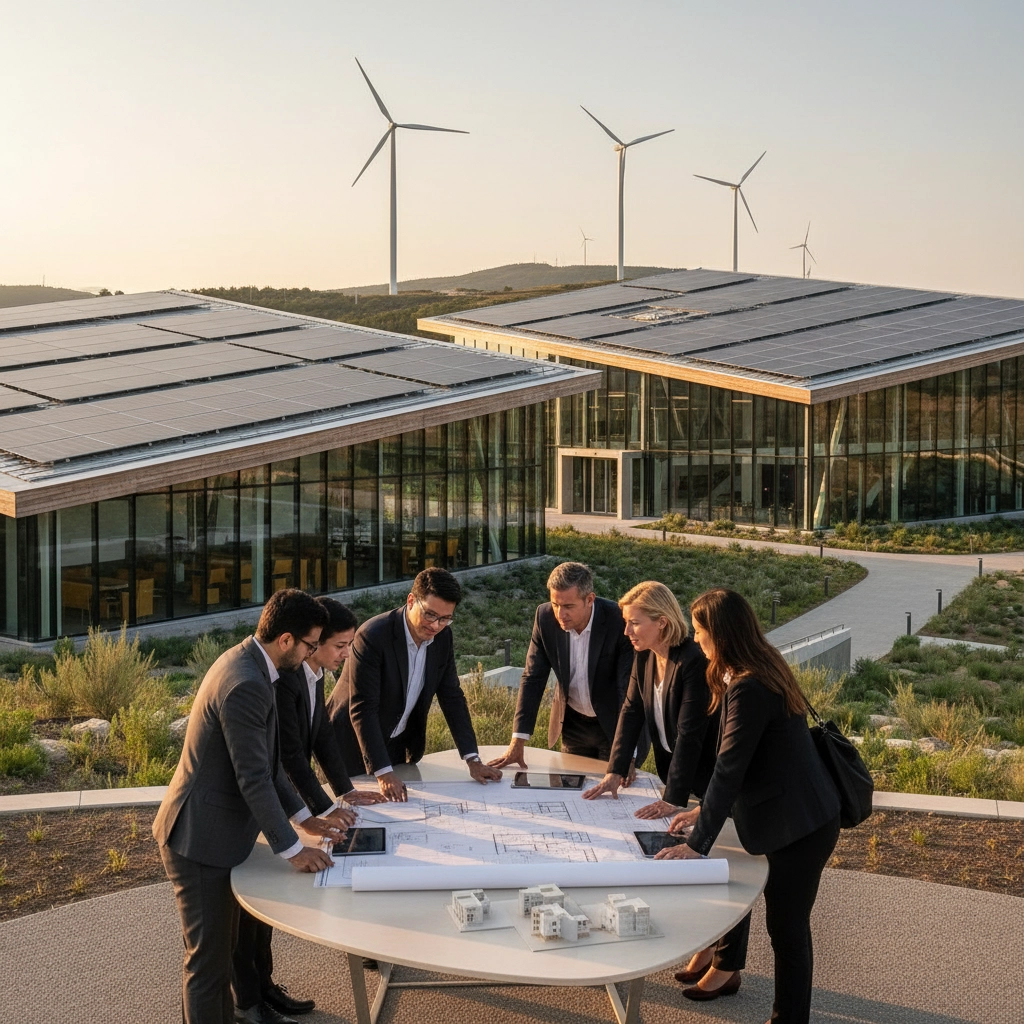
These investments directly address extreme weather resilience, reduce outage likelihood, and accelerate restoration times for millions of customers in weather-susceptible communities. Your agency can leverage GRIP funding to build projects that not only meet immediate operational needs but also contribute to broader grid modernization efforts.
Implement the Federal Triad Framework for Project Success
Government project management demands mastery of three interconnected domains: Requirements Management, Budgeting and Execution, and Acquisition Governance. This Federal Triad Framework ensures your projects maintain clear objectives, adequate funding, and proper oversight throughout their entire lifecycle.
Start with precise requirements definition. Your stakeholders must articulate specific performance standards, operational constraints, and success metrics before you begin detailed planning. Vague requirements consistently rank among the top causes of project failure, affecting 32% of government projects according to recent surveys.
Budgeting and execution require continuous alignment between financial resources and project milestones. You must build flexibility into your budget planning to accommodate the inevitable changes that arise during complex off-grid installations. Consider the multi-site contracting approach successfully demonstrated by the USDA Forest Service, which streamlined procurement by including multiple small sites within single Energy Savings Performance Contracts.
Your acquisition governance structure should emphasize transparency and accountability. Establish regular reporting cadences, clear escalation pathways, and decision-making authority that enables rapid response to emerging challenges without compromising compliance requirements.
Adopt Agile Methodology for Complex Off-Grid Deployments
Traditional waterfall project management approaches often fail when applied to cutting-edge off-grid technologies. Agile methodology offers significant advantages for government agencies managing uncertain technical requirements and evolving operational needs.
Agile's iterative approach allows you to fail fast and learn from mistakes while maintaining security and compliance standards. You can adapt to changes even late in the project process, ensuring your final deliverable meets actual user needs rather than outdated specifications.

Emphasize stakeholder involvement throughout your project lifecycle. Weekly update meetings with team members, vendors, and contractors maintain alignment and prevent the communication breakdowns that plague 38% of government projects. Require active commitment from all stakeholders: those unwilling to participate fully should step aside to prevent delays and inefficiencies.
Use short-term iterations to deliver valuable solutions early and continuously. This approach proves particularly valuable when your end products may require adjustment during development, ensuring you launch something functional rather than consuming resources without delivering results.
Navigate Technology Integration and Multi-Site Challenges
Off-grid government projects often span multiple locations with varying environmental conditions, operational requirements, and technical constraints. You must develop standardized approaches while maintaining flexibility for site-specific adaptations.
Learn from the USDA Forest Service's Off-Grid Energy Savings Performance Contract ENABLE Project, which successfully tested both lithium-ion and lead-acid batteries as backup systems for mobile solar photovoltaic installations. Their research provides proven prototypes you can replicate and adapt for your specific applications.
Test multiple technology approaches before committing to large-scale deployments. The Forest Service approach demonstrated how systematic testing across diverse climates and elevations generates valuable data for scaling decisions. Their project ultimately saved 3,023 million British thermal units annually, offsetting nearly the entire energy load across project sites.
Consider standardized procurement strategies that reduce administrative overhead while accommodating technical diversity. Multi-site contracting approaches allow you to leverage economies of scale while maintaining site-specific customization capabilities.
Address Common Project Management Pitfalls Proactively
Government project managers consistently encounter predictable challenges that you can anticipate and mitigate through proper planning. Bad estimates and missed deadlines affect 38% of projects, often stemming from inadequate requirements definition and unrealistic timeline assumptions.
Environmental and strategic changes impact 38% and 36% of projects respectively. Build change management protocols into your initial project plans, establishing clear processes for evaluating, approving, and implementing modifications without derailing overall progress.
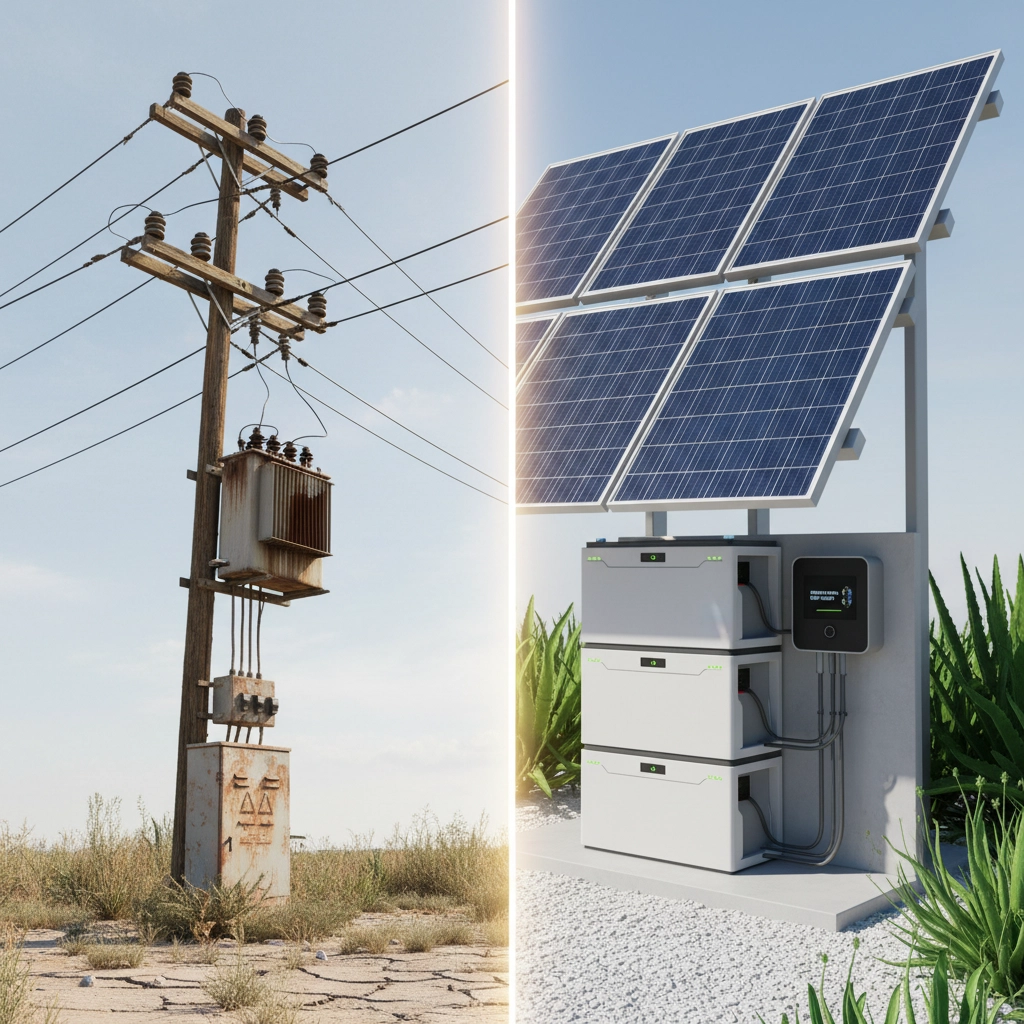
Budget and resource constraints challenge 34% and 24% of projects. Address these limitations through phased implementation approaches that deliver incremental value while building support for additional resources. The C-MAP program specifically addresses this challenge by providing both technical expertise and funding support.
Develop multiple pathways toward project efficiency rather than relying on single approaches. Flexible leadership, clear communication, and proactive concern anticipation enable you to navigate obstacles without compromising core objectives.
Measure and Communicate Project Outcomes Effectively
Your project success depends not only on technical performance but also on demonstrating clear value to stakeholders and funding organizations. Establish measurement frameworks that capture both quantitative performance metrics and qualitative benefits.
Track energy savings, cost reductions, operational improvements, and resilience enhancements using standardized reporting formats. The USDA Forest Service project provides an excellent model, demonstrating measurable annual energy savings that offset nearly entire facility loads while supporting broader federal sustainability goals.
Document workforce development outcomes, technology transfer opportunities, and replication potential. C-MAP projects consistently demonstrate improved microgrid operations, enhanced workforce capacity, and practical solutions for power quality and outage challenges that benefit the broader government community.
Align your outcomes reporting with national policy objectives, including the Biden Administration's net-zero emissions goal by 2050 and carbon pollution-free electricity sector objective by 2035. This alignment strengthens your case for continued funding and expanded program scope.
Leverage Comprehensive Resource Networks
Federal agencies have access to extensive resource networks through EPA and Department of Energy platforms. These searchable directories contain hundreds of resources addressing every aspect of renewable energy project development, from initial planning through long-term maintenance.
The Federal Energy Management Program (FEMP) provides tools and resources specifically designed to help agencies reduce energy use while meeting federal requirements and achieving operational sustainability goals. Use these resources to supplement your internal expertise and accelerate project timelines.
Connect with existing successful projects to learn from their experiences and avoid common pitfalls. The expanding network of C-MAP and GRIP-funded projects creates opportunities for knowledge sharing, technical collaboration, and resource optimization across agency boundaries.
Your success in off-grid project management depends on combining federal funding opportunities with proven project management methodologies and comprehensive stakeholder engagement. Master the Federal Triad Framework, adopt Agile approaches where appropriate, and leverage available technical resources to develop sustainable solutions that serve as replicable models for broader infrastructure modernization efforts. The substantial federal investment in grid resilience and renewable energy creates unprecedented opportunities for agencies ready to execute well-planned off-grid projects that deliver measurable value to their missions and communities.