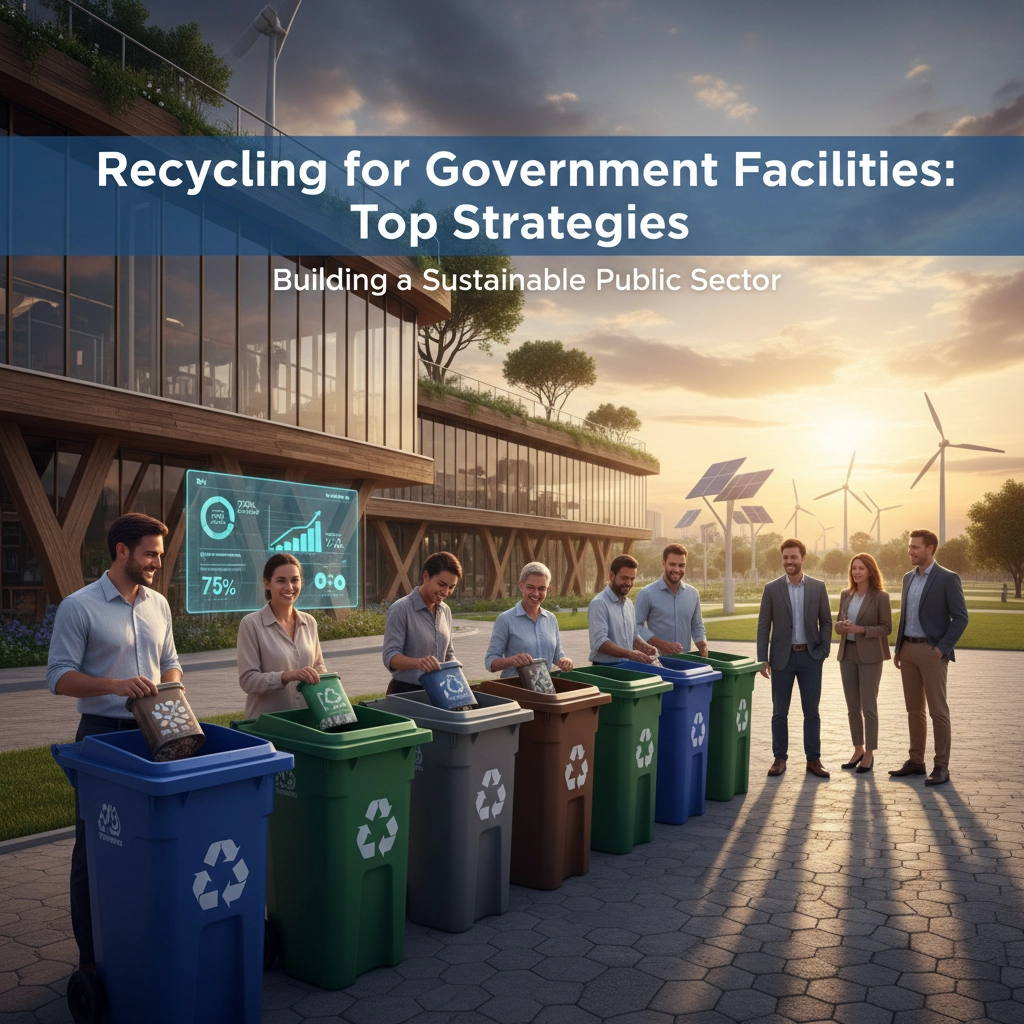
Government facilities hold tremendous potential to lead by example in environmental stewardship while achieving significant cost savings through strategic recycling initiatives. Your facility can become a model of sustainability while demonstrating fiscal responsibility to taxpayers and stakeholders.
Establish Comprehensive Source Separation Programs
Your recycling success begins with robust source separation strategies. Create clear, facility-specific guidelines for sorting materials into distinct categories: organics, recyclables, general waste, and hazardous materials. Facilities that implement comprehensive separation programs typically see disposal rate reductions of up to 30%.
Position your recycling bins strategically throughout the facility. Place collection points within 10 feet of waste generation areas to increase proper disposal rates by 35%. Conduct thorough assessments of your waste generation patterns and engage staff to identify the most common types of waste produced in different areas.
Install clear, color-coded signage above each bin with visual examples of acceptable materials. Your signage should address the most common contamination issues specific to government facilities, such as confidential documents, electronics, and food waste from cafeterias.

Launch Educational Initiatives and Staff Training
Transform your workforce into recycling champions through comprehensive training programs. Facilities that implement awareness campaigns report a 25% increase in recycling program participation, with educational initiatives boosting overall recycling rates by 30%.
Schedule regular workshops that provide hands-on training for proper sorting techniques. Address contamination prevention, explain the environmental benefits of recycling, and highlight cost savings achieved through effective programs. Create department-specific training sessions that address unique waste streams in different areas of your facility.
Develop visual aids and quick-reference guides that reinforce proper practices. Post infographics near waste stations showing common items and their proper disposal categories. Implement regular refresher training to maintain high participation levels and address any emerging contamination issues.
Integrate Smart Technology and Monitoring Systems
Leverage technology to optimize your recycling operations and track performance metrics. Smart waste bins equipped with sensors improve collection efficiency by 30%, providing real-time data on fill levels and preventing overflow situations that can contaminate recyclables.
Implement data analytics systems to monitor the amount and types of materials disposed of over time. These insights help identify improvement opportunities and track progress toward sustainability goals. Regular waste audits reveal specific disposal patterns, with facilities achieving 15-20% reductions in waste generation through systematic assessments.
Create dashboards that display recycling metrics to department heads and facility managers. Transparent reporting encourages accountability and helps identify high-performing areas that can serve as models for other departments.
Transform Operations Through Digital Solutions
Address paper waste through strategic digital transformation initiatives. Paper represents one of the most commonly used resources in government offices and often ends up improperly disposed of despite recycling opportunities.
Transition to digital workflows by replacing paper forms with electronic alternatives. Implement cloud storage solutions that provide secure, accessible document storage while eliminating physical transportation and storage requirements. Government cloud systems reduce environmental impact through paper conservation and optimized resource utilization.
Establish policies for digital-first operations, requiring justification for printed materials. Create electronic signature processes for contracts and approvals, reducing paper consumption by up to 80% in administrative functions.

Implement Reusable Materials and Incentive Programs
Replace single-use items with durable alternatives to achieve substantial waste reductions. Facilities that transition from disposable items to reusables, such as water bottles and utensils, typically reduce waste output by approximately 40%.
Establish "Bring Your Own" policies encouraging staff to use personal reusable cups, water bottles, and utensils. Provide initial starter sets for employees and create recognition programs for departments that achieve the highest participation rates in reusable item usage.
Create reward systems that recognize departments meeting or exceeding waste reduction targets. Facilities implementing incentive programs report overall waste generation drops of 20% within the first year. Consider recognition awards, preferred parking spaces, or small budget allocations for departments achieving sustainability milestones.
Develop Strategic Partnerships and Specialized Programs
Partner with local composting facilities to address organic waste streams effectively. Government facilities working with composting partners achieve 50% reductions in organic waste while supporting local economies and reducing transportation emissions.
Establish relationships with certified e-waste recyclers to handle electronics, batteries, and other specialized materials common in government operations. Create scheduled collection events for items like old computers, phones, and office equipment that require special handling.
Collaborate with local schools or community organizations to donate usable furniture, supplies, and equipment rather than disposing of them. These partnerships extend item lifecycles while supporting community needs and demonstrating your facility's commitment to resource conservation.

Create Comprehensive Implementation Strategies
Begin your recycling program transformation with a thorough waste audit to establish baseline metrics. Document current disposal volumes, identify waste stream compositions, and calculate existing costs for waste management services.
Set clear, measurable goals based on your audit data. Establish targets for waste reduction percentages, recycling rate improvements, and cost savings objectives. Create timelines for implementing different program components, allowing for staff adaptation and system optimization.
Develop standard operating procedures for each aspect of your recycling program. Document bin placement protocols, collection schedules, contamination response procedures, and staff training requirements. These procedures ensure consistency and provide clear guidance for new employees.
Monitor Progress and Ensure Continuous Improvement
Establish regular evaluation cycles to assess program effectiveness and identify improvement opportunities. Schedule quarterly reviews of recycling metrics, contamination rates, and cost impacts to maintain program momentum and address emerging challenges.
Stay current with regulatory changes and industry best practices by engaging with regional or national sustainability programs. Access shared knowledge and resources that enhance your program effectiveness while ensuring compliance with evolving requirements.
Create feedback mechanisms that allow staff to report issues, suggest improvements, and share success stories. Regular surveys and suggestion boxes provide valuable insights for program refinement and help maintain employee engagement in sustainability initiatives.
The National Recycling Strategy aims for a 50% recycling rate by 2030, providing an ambitious benchmark for government facility goals. Your comprehensive approach to recycling positions your facility as a leader in environmental stewardship while achieving measurable cost savings and operational efficiencies.
Your strategic recycling program demonstrates to the community that government operations can be both environmentally responsible and fiscally sound, creating lasting positive impacts that extend far beyond your facility walls.