Securing government funding for off-grid EV charging projects requires strategic planning and understanding of available programs. While federal initiatives primarily target grid-connected infrastructure, opportunities exist for innovative project managers who know how to position their off-grid solutions within existing frameworks.
The Bipartisan Infrastructure Law allocated $7.5 billion specifically for EV charging stations, creating unprecedented opportunities for infrastructure development. However, navigating this funding landscape demands expertise in grant applications, regulatory requirements, and strategic positioning of off-grid solutions as essential community infrastructure.
Understanding the Federal Funding Landscape
The federal government operates two primary EV charging funding streams through the Federal Highway Administration. The National Electric Vehicle Infrastructure (NEVI) Formula Program provides $5 billion in formula funding to states, while the Charging and Fueling Infrastructure (CFI) Discretionary Grant Program offers $2.5 billion in competitive grants.
Your off-grid project faces unique challenges within these programs, as they traditionally focus on publicly accessible charging along designated Alternative Fuel Corridors. However, the CFI program's community-focused initiatives create pathways for off-grid solutions, particularly in underserved areas where grid connection proves impractical or cost-prohibitive.
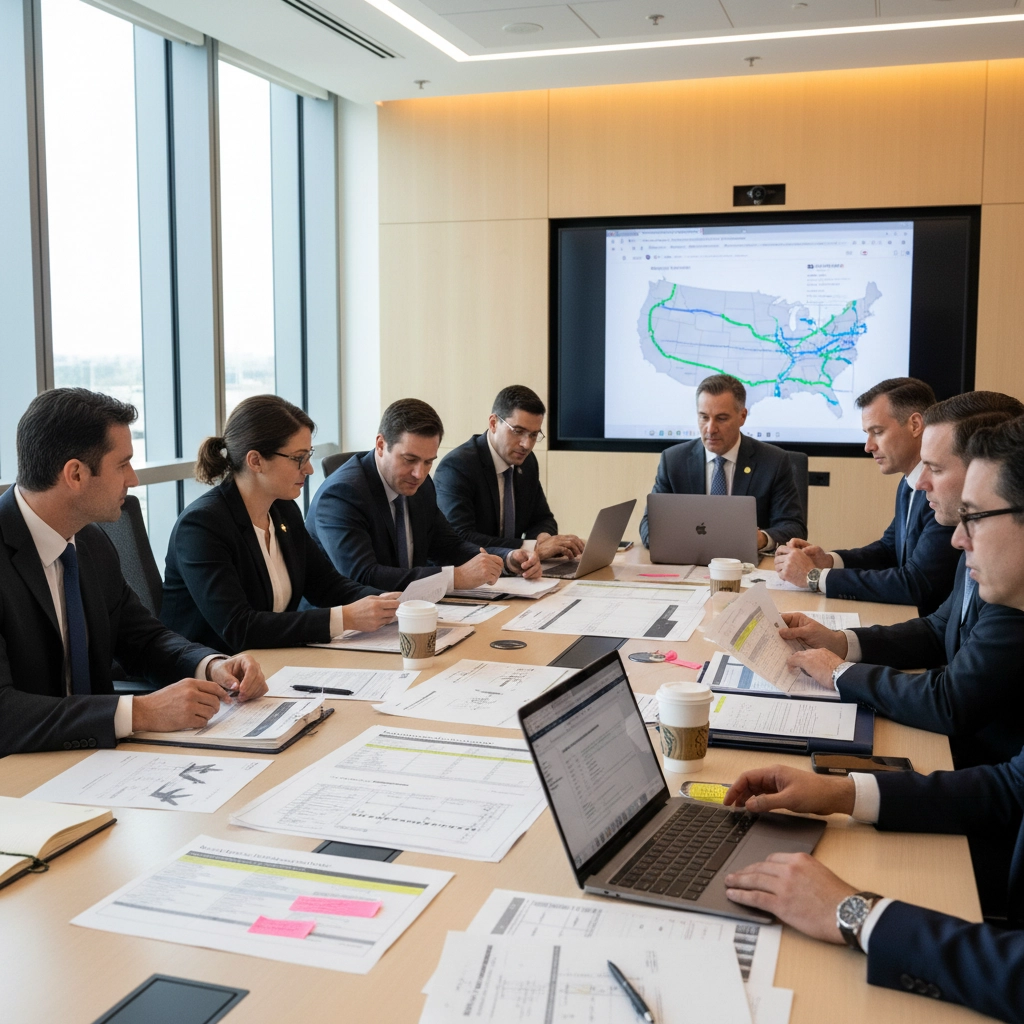
Understanding program priorities becomes crucial for positioning your project successfully. Federal agencies prioritize infrastructure serving low- and moderate-income communities, rural areas, and locations with limited existing charging access. Your off-grid solution naturally aligns with these priorities, especially in remote locations where traditional grid infrastructure faces economic or geographical constraints.
Step 1: Conduct Comprehensive Program Research and Eligibility Assessment
Begin your funding journey by thoroughly researching all available federal, state, and local programs. Download and analyze the most recent Notice of Funding Opportunity (NOFO) documents for both NEVI and CFI programs. These documents outline specific eligibility criteria, funding ranges, and application requirements that will shape your strategy.
Verify your organization's eligibility status early in the process. Eligible applicants typically include state governments, tribal governments, local authorities, Metropolitan Planning Organizations (MPOs), and various public agencies. Private entities can participate through partnerships with eligible public organizations, creating opportunities for public-private collaboration.
Examine state-specific NEVI implementation plans, as states receive annual formula funding with flexibility in deployment strategies. Some states may prioritize off-grid solutions for serving remote communities or filling coverage gaps in their designated Alternative Fuel Corridors. Contact your state energy office or transportation department to discuss how off-grid charging aligns with their electrification goals.
Research complementary funding sources beyond federal EV programs. Department of Energy grants, EPA environmental justice initiatives, and USDA rural development programs sometimes support off-grid energy projects that include EV charging components. This multi-program approach can strengthen your overall funding strategy.
Step 2: Develop a Strategic Project Plan with Community Impact Focus
Create a comprehensive project plan that demonstrates clear community benefits and addresses specific transportation needs. Your off-grid charging station must serve a genuine public purpose, connecting isolated communities to regional transportation networks or supporting critical service vehicles in remote areas.
Define your target service area with demographic and geographic analysis. Highlight communities with limited charging access, focusing on rural areas, tribal lands, or economically disadvantaged neighborhoods. Document existing transportation patterns and demonstrate how your charging infrastructure fills critical gaps in the regional network.
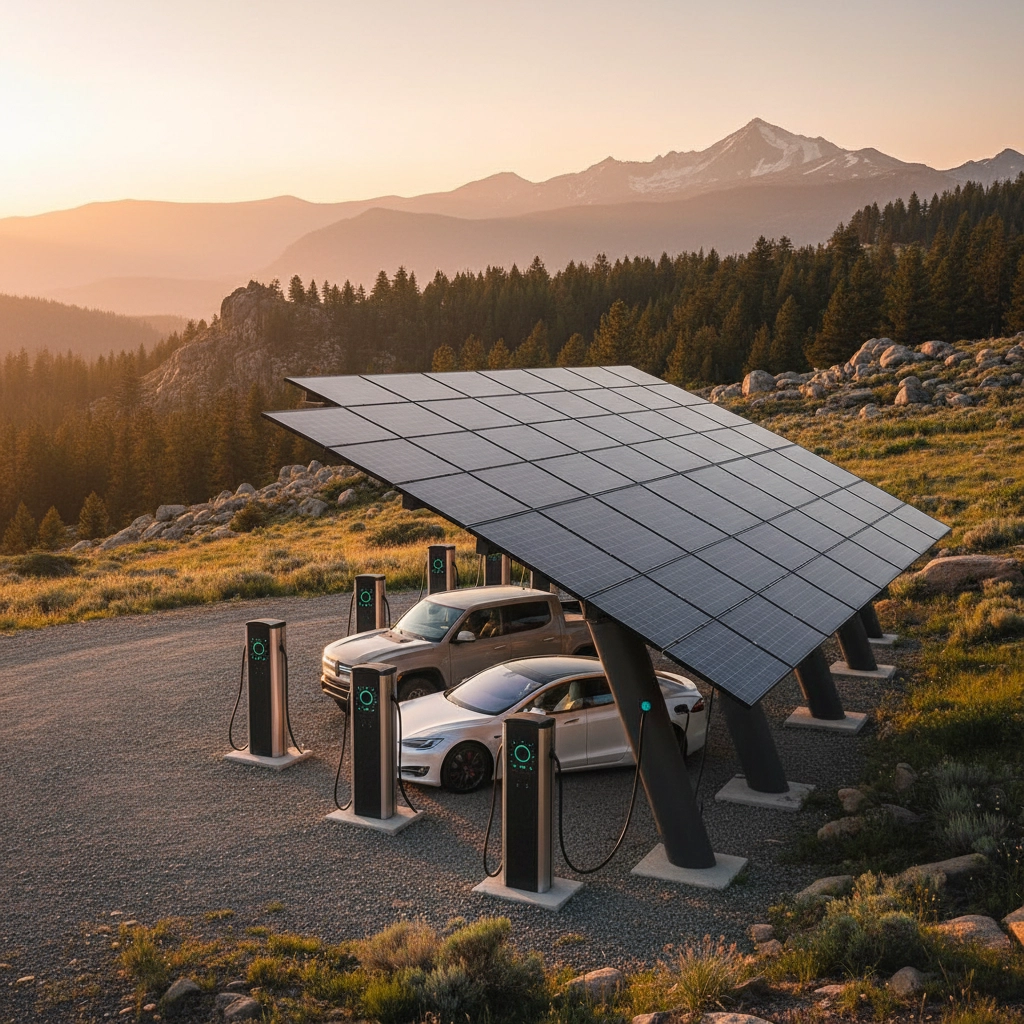
Specify your off-grid technology approach with detailed technical specifications. Whether using solar power, wind generation, battery storage, or hybrid systems, provide engineering analyses demonstrating system reliability and capacity. Address potential concerns about off-grid infrastructure maintenance, operational costs, and long-term sustainability.
Establish clear performance metrics and success indicators for your project. Federal agencies expect measurable outcomes, including number of vehicles served, charging sessions completed, and community economic impacts. Develop a monitoring plan that tracks both operational performance and broader community benefits.
Step 3: Build Strategic Partnerships and Stakeholder Support
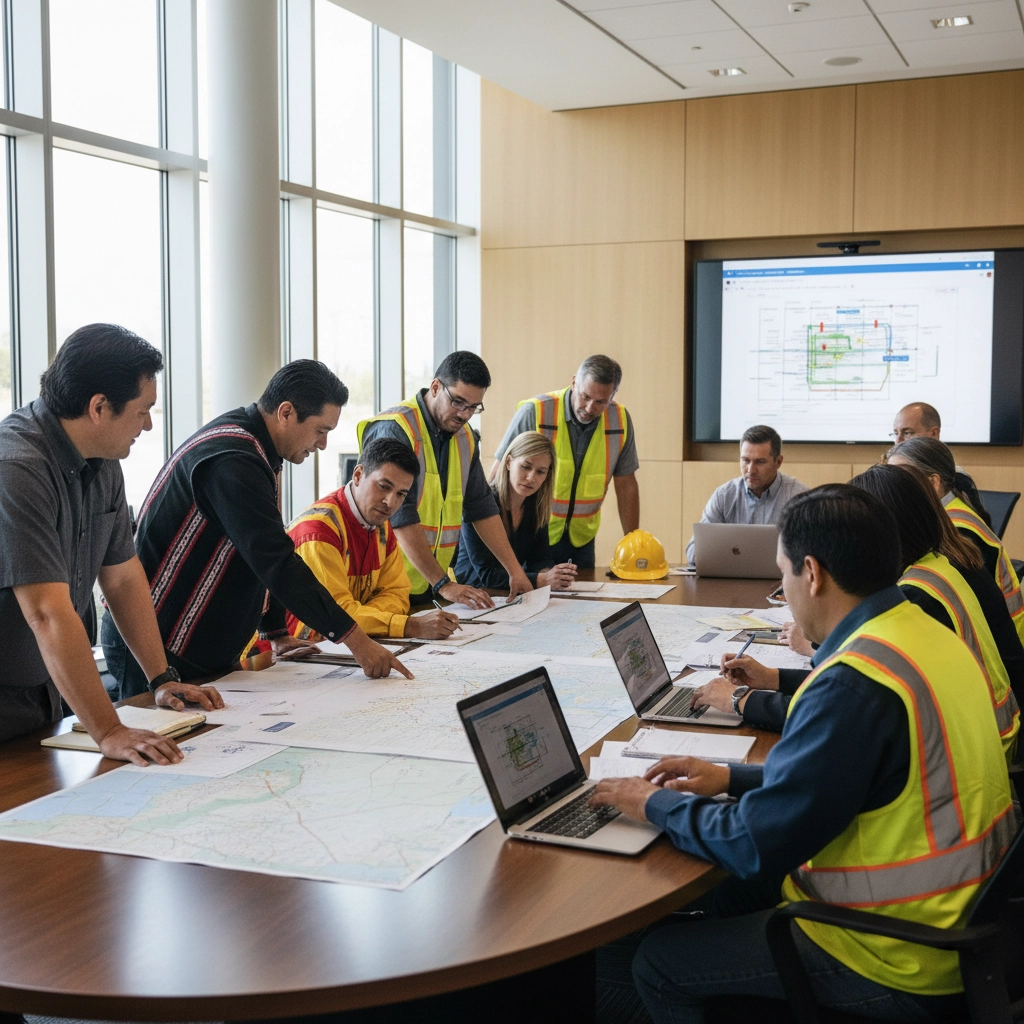
Successful government funding applications require strong community partnerships and stakeholder endorsement. Begin building relationships with local governments, community organizations, tribal authorities, and regional planning agencies who can provide letters of support and partnership agreements.
Partner with local utilities, even for off-grid projects, as they often possess valuable expertise in electrical infrastructure and regulatory compliance. Utility partnerships can also provide backup power options or future grid connection possibilities, strengthening your project's long-term viability.
Engage environmental justice organizations and community advocacy groups, particularly in areas serving disadvantaged communities. Federal programs increasingly prioritize projects with strong community support and demonstrated benefits for historically underserved populations. These partnerships also provide valuable local knowledge and help ensure your project addresses genuine community needs.
Collaborate with regional transportation authorities and economic development organizations. These partnerships demonstrate your project's alignment with broader regional planning goals and can provide additional funding sources or in-kind contributions that strengthen your application.
Step 4: Prepare Comprehensive Documentation and Financial Planning
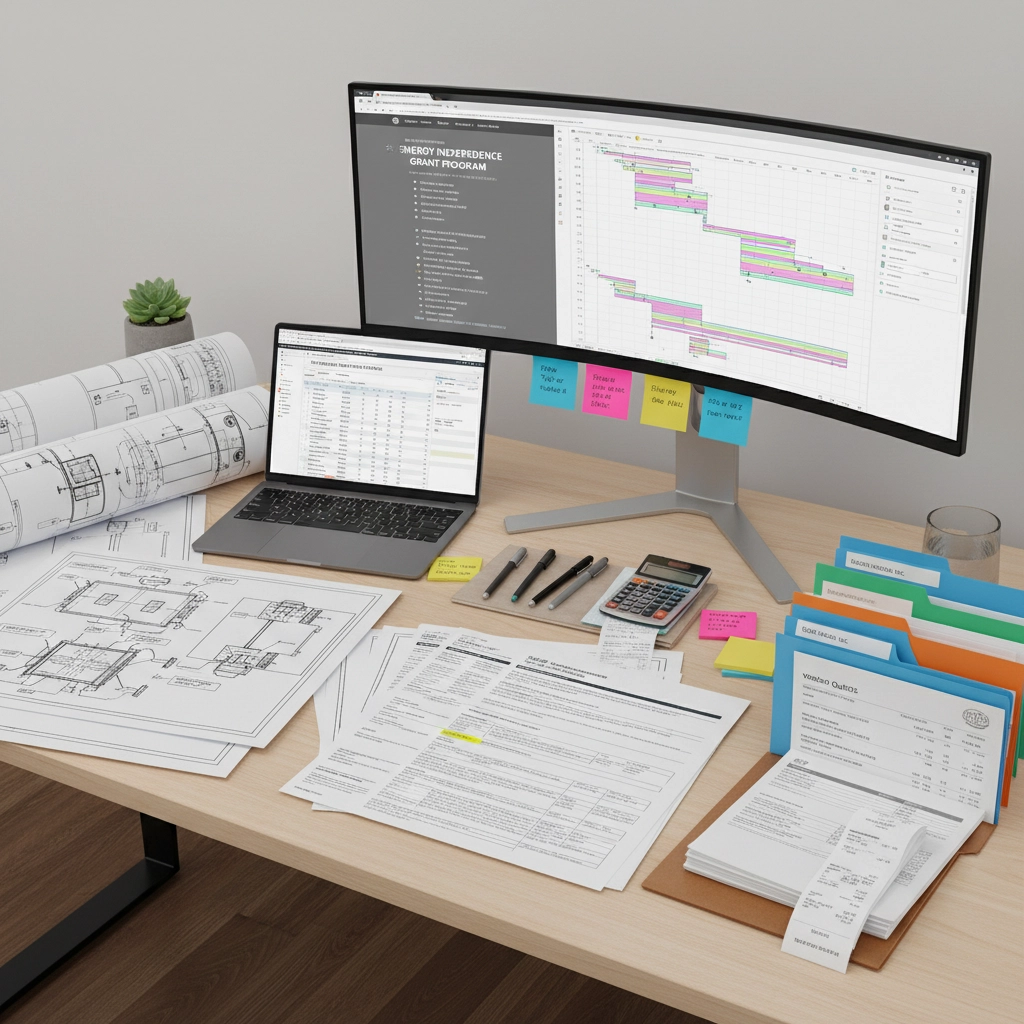
Gather all required documentation well before application deadlines. Federal grant applications demand extensive supporting materials, including environmental assessments, site control documentation, cost estimates, and technical specifications. Off-grid projects may require additional permits or approvals compared to grid-connected installations.
Develop detailed cost estimates covering equipment procurement, installation, commissioning, and ongoing operations. Include costs for off-grid power generation equipment, battery storage systems, charging hardware, site preparation, and electrical infrastructure. Federal agencies scrutinize cost reasonableness, so provide vendor quotes and market analysis supporting your estimates.
Prepare your matching funds strategy, as most federal programs require local cost-sharing. The CFI program typically requires 20% local match, while NEVI formula funding requires 20% state match. Identify local funding sources, including municipal budgets, private partnerships, or other grant programs that can provide required matching funds.
Address operational sustainability in your financial planning. Demonstrate how your charging station will generate sufficient revenue or receive ongoing support to maintain operations beyond the initial grant period. Federal agencies want assurance that publicly funded infrastructure will continue serving communities long-term.
Step 5: Submit a Compelling Application with Clear Implementation Timeline
Complete your application with meticulous attention to detail and strict adherence to program requirements. Federal grant applications undergo competitive review processes where missing information or unclear responses can eliminate otherwise strong proposals. Use clear, professional language that directly addresses evaluation criteria outlined in the NOFO.
Present a realistic implementation timeline that accounts for permitting, environmental review, equipment procurement, and installation challenges unique to off-grid locations. Remote site access, utility coordination, and weather considerations may extend typical project timelines, so build appropriate buffer periods into your schedule.
Emphasize your project's innovation and replicability potential. Off-grid EV charging represents emerging technology that could serve as a model for similar communities nationwide. Highlight how your project advances federal electrification goals while addressing unique challenges in remote or underserved areas.
Submit your application well before the deadline through the designated online portal. Technical submission issues or last-minute complications can jeopardize otherwise successful applications. Plan to complete your submission at least 48 hours before the deadline to address any potential problems.
Alternative Funding Strategies for Off-Grid Projects
Explore state and regional programs that may offer more flexibility for off-grid charging projects. Many states operate their own grant programs using federal formula funds or state resources, often with less restrictive requirements than federal competitive programs. Contact your state energy office or economic development agency to discuss available opportunities.
Consider infrastructure planning grants as a stepping stone toward construction funding. Both federal and state agencies offer smaller grants for feasibility studies, site assessments, and preliminary engineering work. These planning grants can strengthen future construction applications while providing immediate project development resources.
Investigate private-public partnership opportunities that combine government funding with private investment. Corporate sustainability initiatives, utility programs, and economic development incentives can provide additional funding sources while meeting federal matching requirements.
Positioning Your Project for Success
Your off-grid EV charging project represents more than infrastructure development: it demonstrates innovative solutions for transportation equity and energy resilience. Federal funding agencies increasingly recognize that grid-connected charging cannot serve all communities effectively, creating opportunities for well-positioned off-grid proposals.
Focus on community benefits and environmental justice outcomes in your application narrative. Emphasize how off-grid charging enables clean transportation access in communities that traditional infrastructure approaches cannot economically serve. Document existing transportation burdens and demonstrate how your project addresses documented community needs.
Present your off-grid solution as complementary to broader regional charging networks rather than isolated infrastructure. Show how your station connects to existing or planned charging corridors, extending clean transportation access into previously underserved areas while supporting regional economic development and tourism.
Success in securing government funding for off-grid EV charging requires persistence, strategic thinking, and thorough preparation. By following these five steps and positioning your project within broader community development goals, you create compelling proposals that advance both transportation electrification and environmental justice objectives that federal agencies increasingly prioritize.