Modern municipalities face increasingly complex emergency scenarios that demand faster, more coordinated responses. From natural disasters to infrastructure failures, your community's safety depends on how quickly and effectively you can deploy resources when seconds count. Artificial intelligence offers transformative capabilities that can revolutionize your emergency response operations, but successful integration requires careful planning and systematic implementation.
This comprehensive guide will walk you through five essential steps to integrate AI with your emergency response infrastructure. You'll discover how to build intelligent systems that enhance decision-making, optimize resource allocation, and ultimately save lives while maintaining the critical human oversight that emergency situations demand.
Step 1: Plan and Assess Your Infrastructure Needs
Begin by conducting a thorough evaluation of your municipality's risk profile and existing emergency management capabilities. Identify the specific threats that pose the greatest danger to your community: whether floods, wildfires, earthquakes, severe weather, or infrastructure failures. Map these risks against your current response resources and identify gaps where AI integration could provide the most significant impact.
Work directly with your emergency operations center leadership, fire chiefs, police commanders, and department heads to understand existing workflows and communication channels. Document how information currently flows during emergencies, from initial threat detection through resource deployment and recovery operations. This assessment reveals which processes would benefit most from AI automation, such as dispatch optimization, threat prediction, or resource allocation.
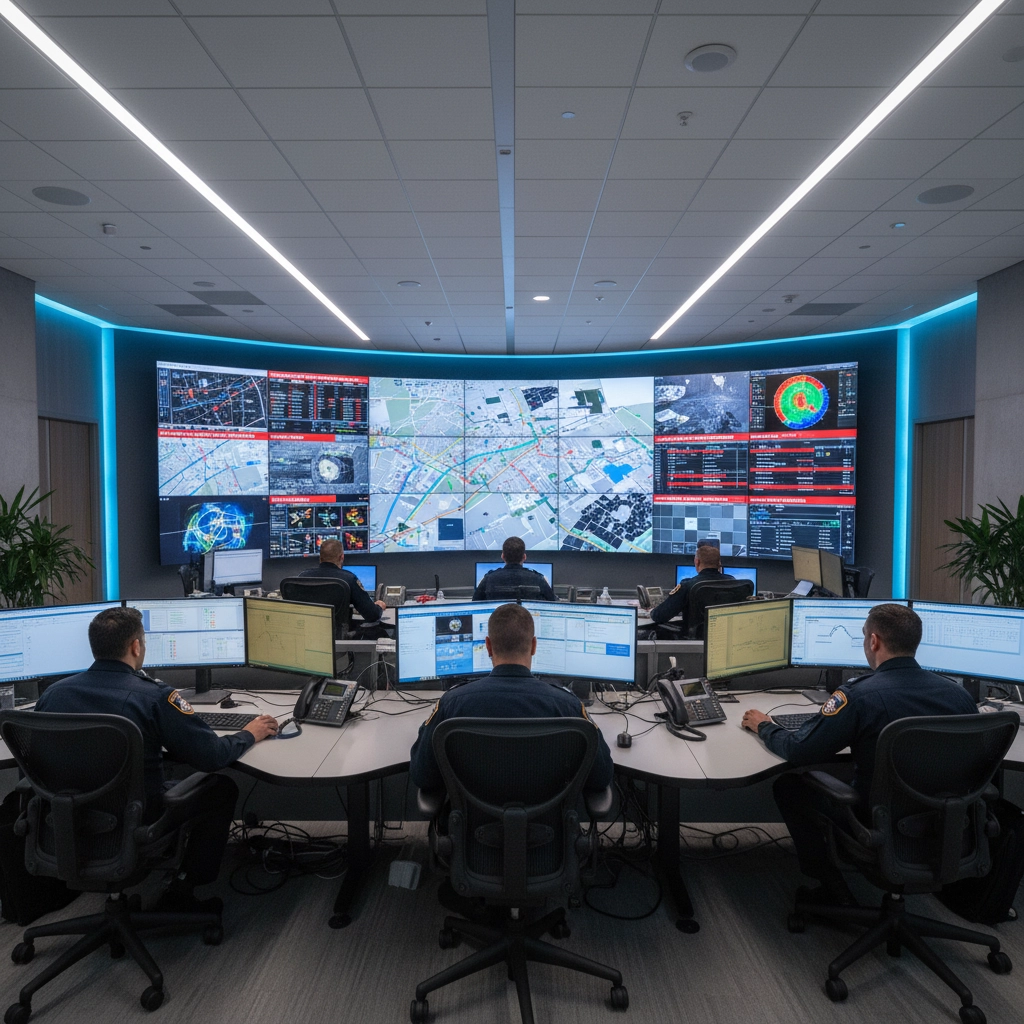
Evaluate your current technology infrastructure to determine compatibility with AI systems. Assess network capacity, data storage capabilities, and integration points with existing software platforms. Consider which specific AI applications align with your community's highest-priority needs: predictive analytics for weather-related emergencies, automated dispatch systems, or real-time situational awareness platforms.
Create detailed requirements documentation that outlines your objectives, success metrics, and integration timeline. Establish clear performance benchmarks that will help you measure AI system effectiveness once deployed. This planning phase sets the foundation for all subsequent implementation steps and ensures alignment across all stakeholders.
Step 2: Deploy AI-Powered Sensors and Integration Systems
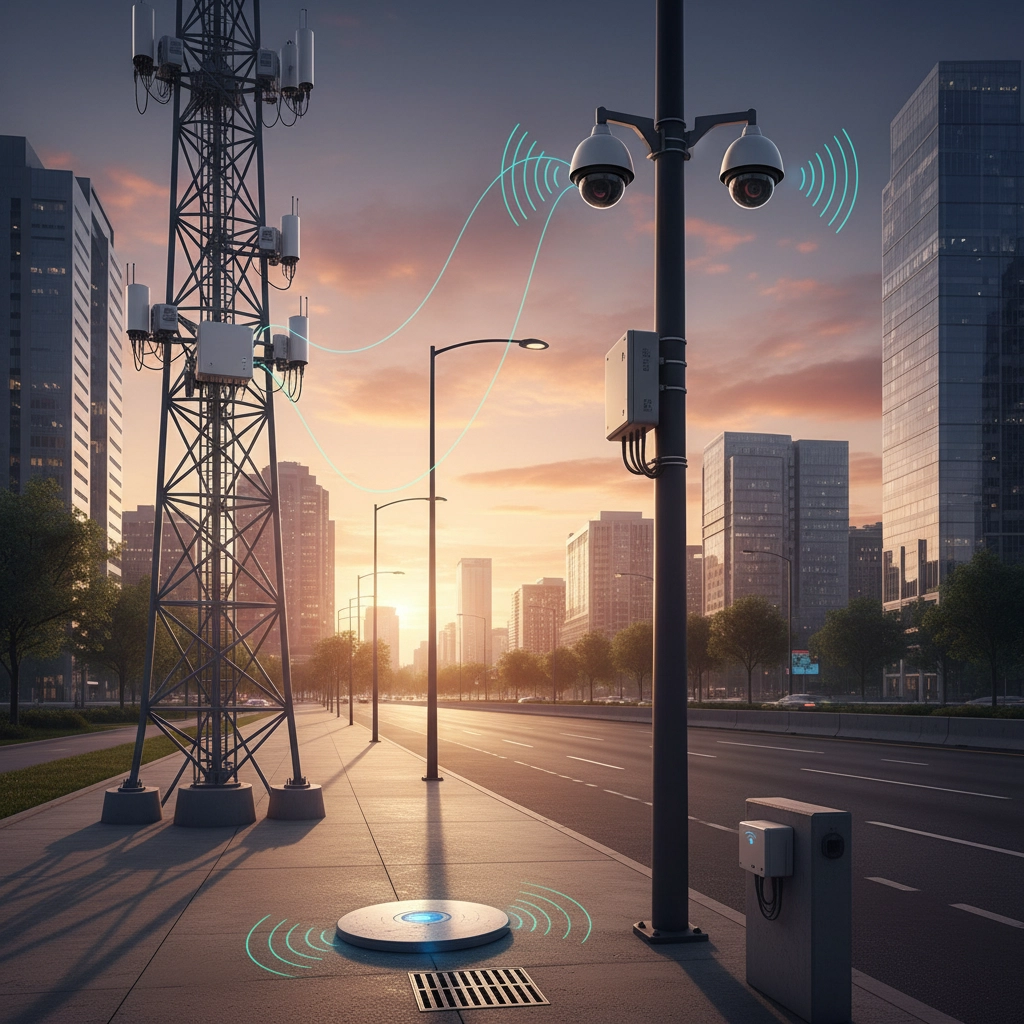
Install intelligent sensor networks strategically across your municipality to create comprehensive coverage of critical infrastructure and high-risk areas. Deploy weather monitoring stations, seismic sensors, flood detection systems, and structural monitoring equipment based on your risk assessment findings. Ensure these sensors connect to a centralized data platform that aggregates information from multiple sources.
Integrate your existing emergency assets: vehicles, aircraft, communication systems, and personnel tracking devices: into a unified monitoring network. Modern AI systems excel at coordinating multiple asset types and optimizing their deployment based on real-time conditions and historical performance data.
Coordinate with utility companies, transportation departments, and other municipal services to connect their infrastructure monitoring systems to your emergency response network. This creates a comprehensive information ecosystem that shares critical data across departments and agencies, enabling more coordinated responses to complex emergencies.
Configure redundant communication pathways to ensure system reliability during disasters when primary networks may be compromised. Implement backup power systems and alternative connectivity options that keep your AI infrastructure operational when traditional systems fail.
Step 3: Enable Real-Time Data Collection and Analysis
Configure your AI systems to continuously monitor and analyze data streams from all integrated sensors, assets, and external information sources. Machine learning algorithms should process historical patterns alongside real-time inputs to identify emerging threats and predict potential emergency scenarios before they fully develop.
Implement natural language processing capabilities to monitor communication channels, social media feeds, and news sources for early warning signals that complement your sensor network data. Train these systems to recognize location-specific terminology and community-specific threat indicators that might signal developing emergencies.
Establish real-time dashboards that provide immediate visibility into current conditions across your municipality. Design these interfaces to present complex information clearly, enabling emergency managers to quickly understand developing situations and make informed decisions. Ensure these dashboards remain accessible and functional during high-stress emergency conditions.
Set up automated data quality monitoring to ensure sensor accuracy and identify potential system malfunctions before they compromise emergency response capabilities. Implement data validation protocols that cross-reference multiple sources to confirm threat alerts and reduce false positives that could strain response resources.
Step 4: Activate Automated Response Systems with Human Oversight
Deploy AI-driven dispatch optimization systems that analyze real-time conditions, resource availability, and historical response data to recommend optimal deployment strategies. Configure these systems to automatically generate mission plans that account for traffic conditions, resource capabilities, and incident complexity while maintaining flexibility for human modification.
Implement automated alert systems that notify key personnel when AI analysis identifies potential threats or developing emergencies. Design these notifications to provide clear, actionable information that enables rapid decision-making without overwhelming recipients with excessive alerts or false positives.
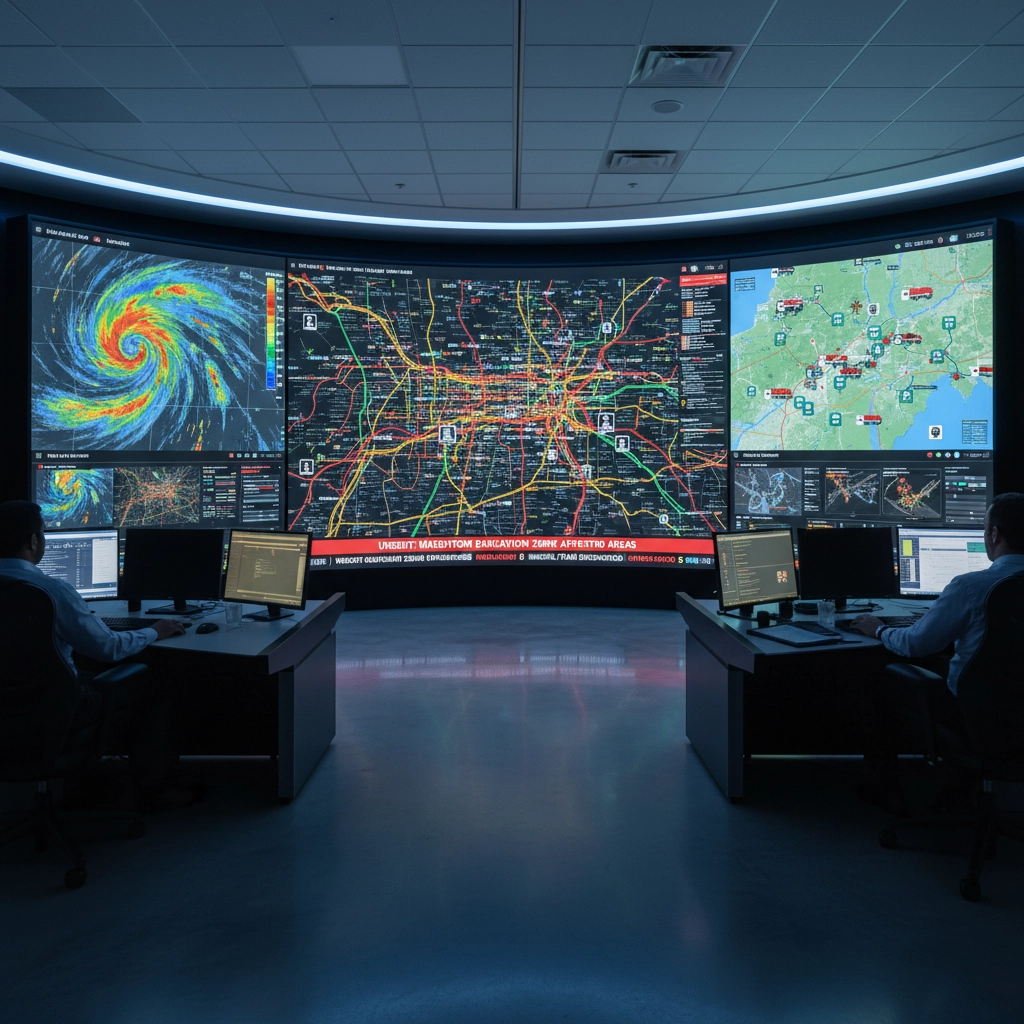
Establish a human-in-the-loop approach where AI recommendations enhance rather than replace human judgment. Configure systems so emergency managers review and approve AI-generated dispatch recommendations, resource allocations, and escalation decisions. This maintains critical human oversight while leveraging AI capabilities to process information faster than human operators could manage alone.
Create automated reporting systems that synthesize complex data from multiple sources into clear situational reports for incident commanders. These reports should provide unified operating pictures that help maintain situational awareness across all response teams and enable effective coordination between agencies.
Develop standard operating procedures that formally integrate AI tools into your emergency management framework. Train all personnel on proper system usage, including understanding AI capabilities and limitations, interpreting automated recommendations, and maintaining situational awareness when working with intelligent systems.
Step 5: Continuously Optimize and Improve Performance
Establish comprehensive performance monitoring systems that track AI accuracy, response time improvements, and overall system effectiveness. Collect detailed feedback from emergency responders, incident commanders, and field teams about how well AI recommendations align with actual operational needs and ground-truth conditions.
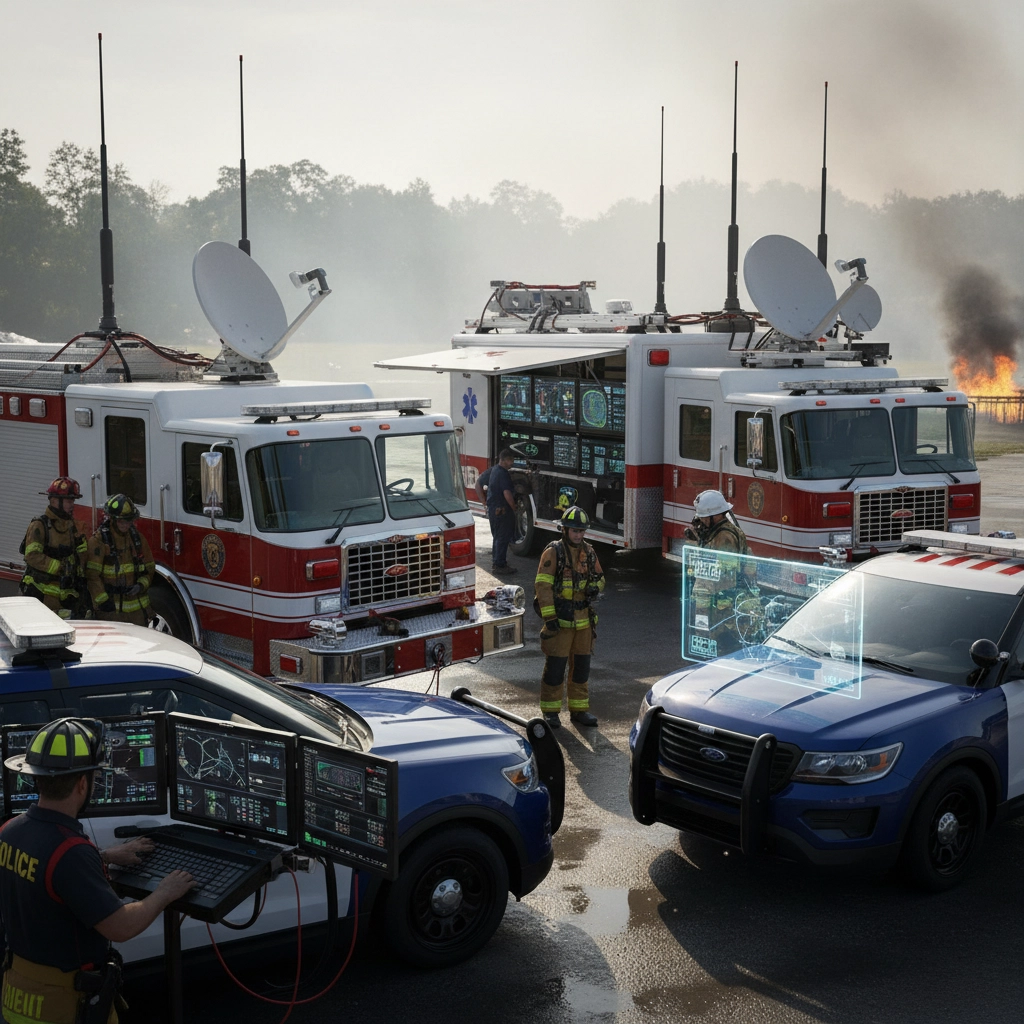
Implement machine learning feedback loops that continuously refine threat detection algorithms, dispatch optimization logic, and resource allocation recommendations based on real-world performance outcomes. Use post-incident analysis to identify areas where AI systems performed well and areas requiring improvement or additional training data.
Invest in ongoing training programs that keep all emergency personnel current on AI tool capabilities and best practices. Update training materials regularly as systems evolve and new features become available. Ensure training covers both technical system operation and strategic decision-making with AI assistance.
Conduct regular system audits that evaluate data quality, algorithm performance, and integration effectiveness across all connected systems. Schedule periodic testing exercises that validate AI system performance under simulated emergency conditions and identify potential weaknesses before real emergencies occur.
Maintain relationships with AI technology vendors and emergency management professionals in other municipalities to stay current on emerging capabilities and implementation best practices. Join professional networks and attend conferences that focus on AI applications in emergency management to continuously improve your systems.
Building Smarter Emergency Response for Your Community
Successful AI integration transforms emergency response from reactive to predictive, enabling your municipality to protect residents more effectively while optimizing resource utilization. The key lies in maintaining balance between technological capabilities and human expertise, ensuring AI enhances rather than replaces the critical judgment emergency professionals bring to complex situations.
Start your integration journey by focusing on one high-impact area where AI can provide immediate benefits, then expand systematically as your team gains experience and confidence with these powerful tools. Remember that the most effective AI emergency response systems combine cutting-edge technology with comprehensive training, clear protocols, and strong leadership commitment to continuous improvement.
Your community deserves emergency response capabilities that leverage every available advantage to protect lives and property. By following these five steps, you'll build intelligent systems that enhance your team's effectiveness while maintaining the human oversight essential for managing the complex, unpredictable nature of emergency situations.