Government decision-makers face mounting pressure to modernize their energy infrastructure while maintaining uninterrupted public services. You've likely heard conflicting advice about traditional grid-tied systems becoming obsolete, leaving you wondering whether your agency needs to completely overhaul its power strategy. The answer isn't as straightforward as industry marketing materials suggest.
Your energy infrastructure decisions today will impact your agency's operations for decades. Understanding the current state of grid technology and backup power requirements will help you make informed choices that balance innovation with reliability.
The Truth About Grid-Tied Systems in 2025
Traditional grid-tied systems remain far from obsolete: they're evolving into something more sophisticated and reliable. Your existing grid-tied infrastructure represents a foundation that can be enhanced rather than replaced entirely.
Modern grid-tied systems now incorporate AI-powered orchestration that analyzes real-time demand data, weather conditions, and generation forecasts. These systems instantly adjust energy distribution, reducing strain during peak loads while improving integration of renewable sources like solar and wind. This technological advancement means your grid-tied systems can become more efficient and responsive without requiring complete replacement.
Net metering programs continue to provide substantial financial benefits for government facilities with grid-tied solar installations. You can feed excess solar energy back to the grid and receive credits that offset your electricity consumption, significantly reducing operational costs. This arrangement allows you to use the grid as a reliable backup source while maintaining cost-effective operations.
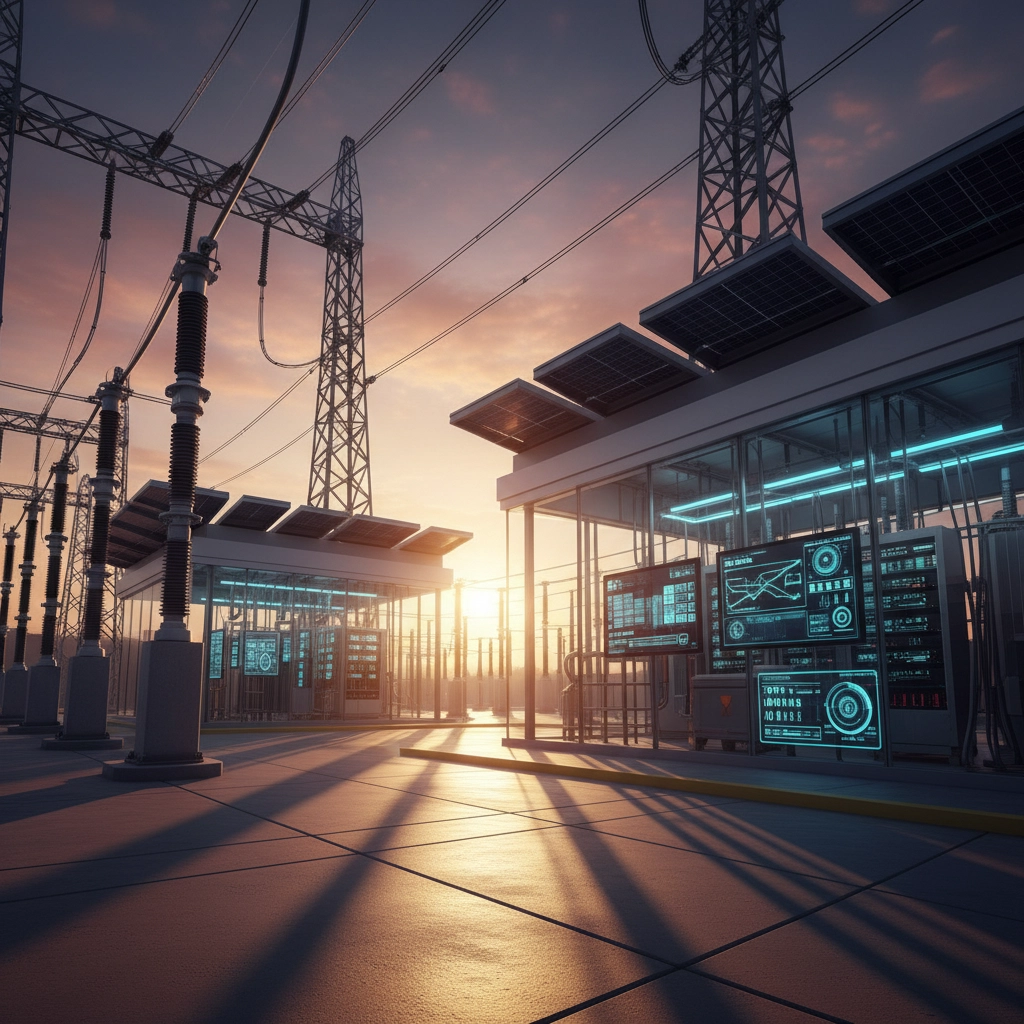
The key lies in understanding that grid-tied systems now offer hybrid capabilities. You can maintain your connection to the main grid while incorporating backup systems and renewable energy sources. This approach provides the reliability you need for critical government operations while positioning your agency for future energy innovations.
Why Government Agencies Cannot Eliminate Backup Power
Your backup power systems serve as the last line of defense against service interruptions that could compromise public safety and essential government functions. Emergency services, critical infrastructure, and public safety operations depend on uninterrupted power supply, making backup systems non-negotiable components of your energy strategy.
Consider the cascading effects of power outages on government operations. Communication systems fail, security networks go offline, and emergency response capabilities become severely limited. Data centers housing critical government information require continuous power to prevent data loss and maintain cybersecurity protocols. These scenarios underscore why backup power remains essential regardless of grid modernization efforts.
The Department of Energy projects electricity demand will grow 15-20% over the next decade and double by 2050. This increasing demand places additional stress on grid infrastructure, potentially leading to more frequent outages. Government facilities must maintain continuous operations during these disruptions, making robust backup power systems more critical than ever.
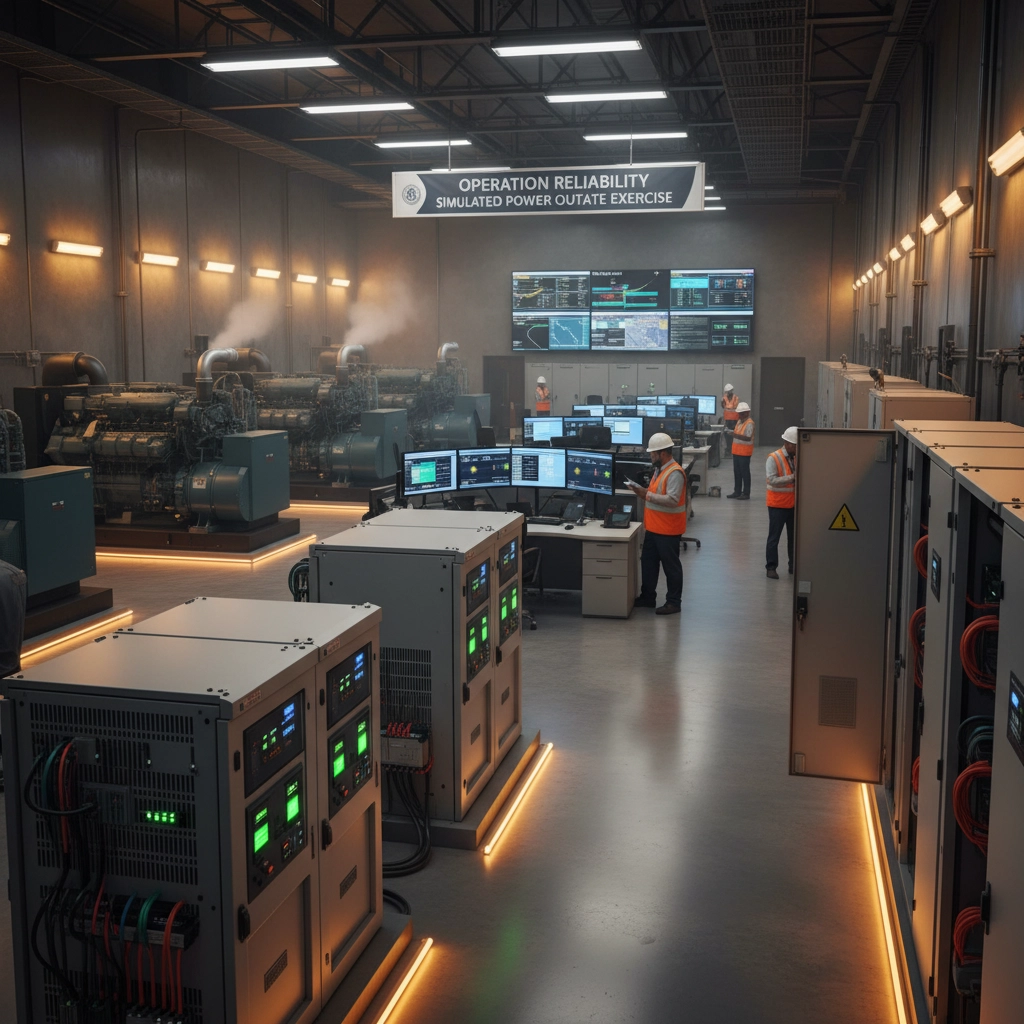
Most effective government backup power strategies employ a layered approach combining standby generators, battery backup systems, and automatic transfer switches. This configuration provides immediate protection for critical systems while maintaining operations during extended outages. Your facility's specific requirements will determine the optimal combination of these technologies.
Evaluating Your Current Energy Infrastructure
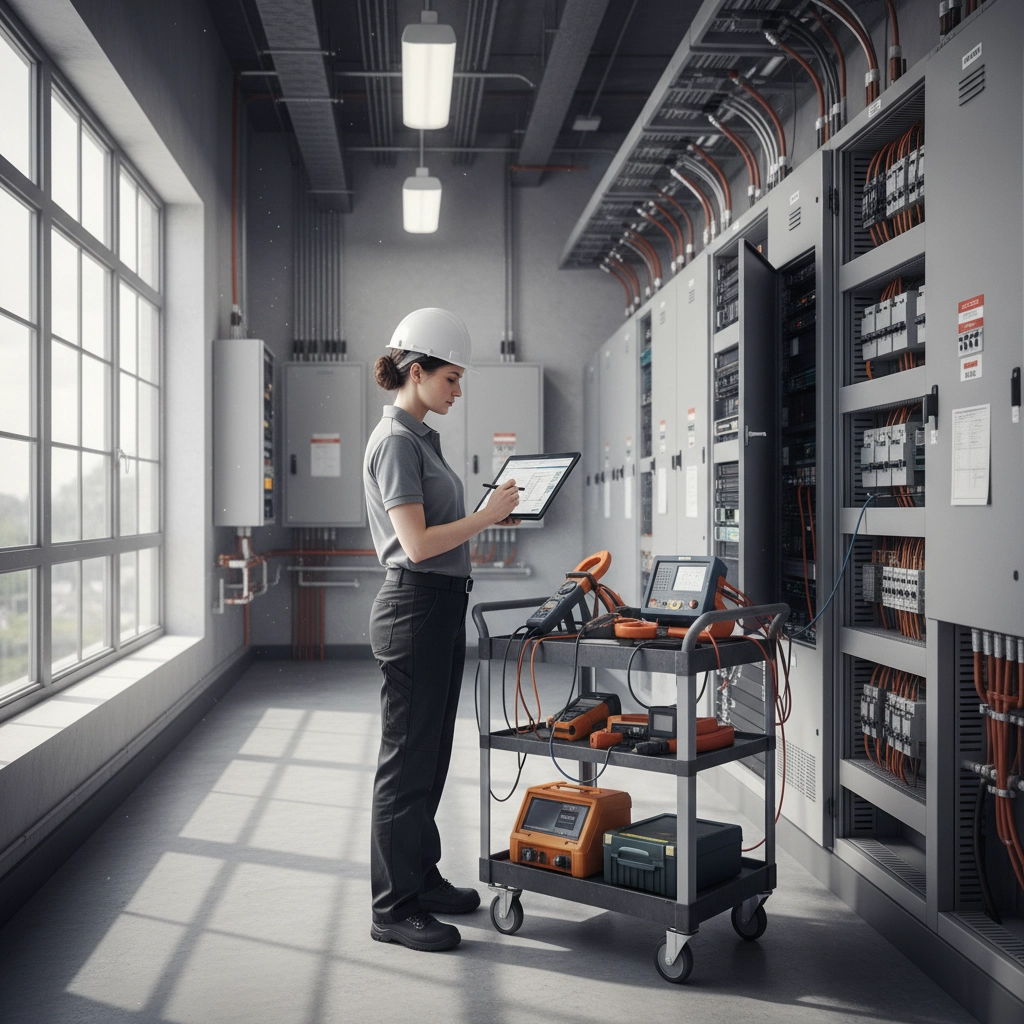
Begin your assessment by cataloging your facility's critical systems and their power requirements. Identify which operations must continue during outages: emergency communications, security systems, data centers, and life safety equipment typically top this list. Understanding these priorities helps you design backup power solutions that protect your most essential functions.
Examine your current grid connection reliability by reviewing outage data from the past five years. Document the frequency, duration, and causes of power interruptions affecting your facility. This historical data reveals patterns that inform your backup power sizing and configuration decisions.
Assess your existing backup power systems for age, capacity, and maintenance requirements. Generators older than 15 years may require replacement or major overhauls to ensure reliable operation. Battery backup systems typically need replacement every 5-8 years, depending on usage patterns and environmental conditions.
Consider your facility's energy consumption patterns throughout the day and across seasons. Peak demand periods reveal when your backup systems face the greatest stress. Understanding these patterns helps you right-size backup power capacity and identify opportunities for energy efficiency improvements that reduce overall power requirements.
Modernizing Your Approach to Grid Independence
Smart microgrids represent the evolution of traditional backup power systems into sophisticated energy management platforms. These systems can operate independently during outages while maintaining connection to the main grid during normal operations. Your facility gains energy resilience without sacrificing the economic benefits of grid connection.
Integrate renewable energy sources with your backup power systems to reduce fuel costs and environmental impact. Solar panels with battery storage can provide continuous power during extended outages while reducing your facility's carbon footprint. This approach aligns with federal sustainability mandates while improving energy security.
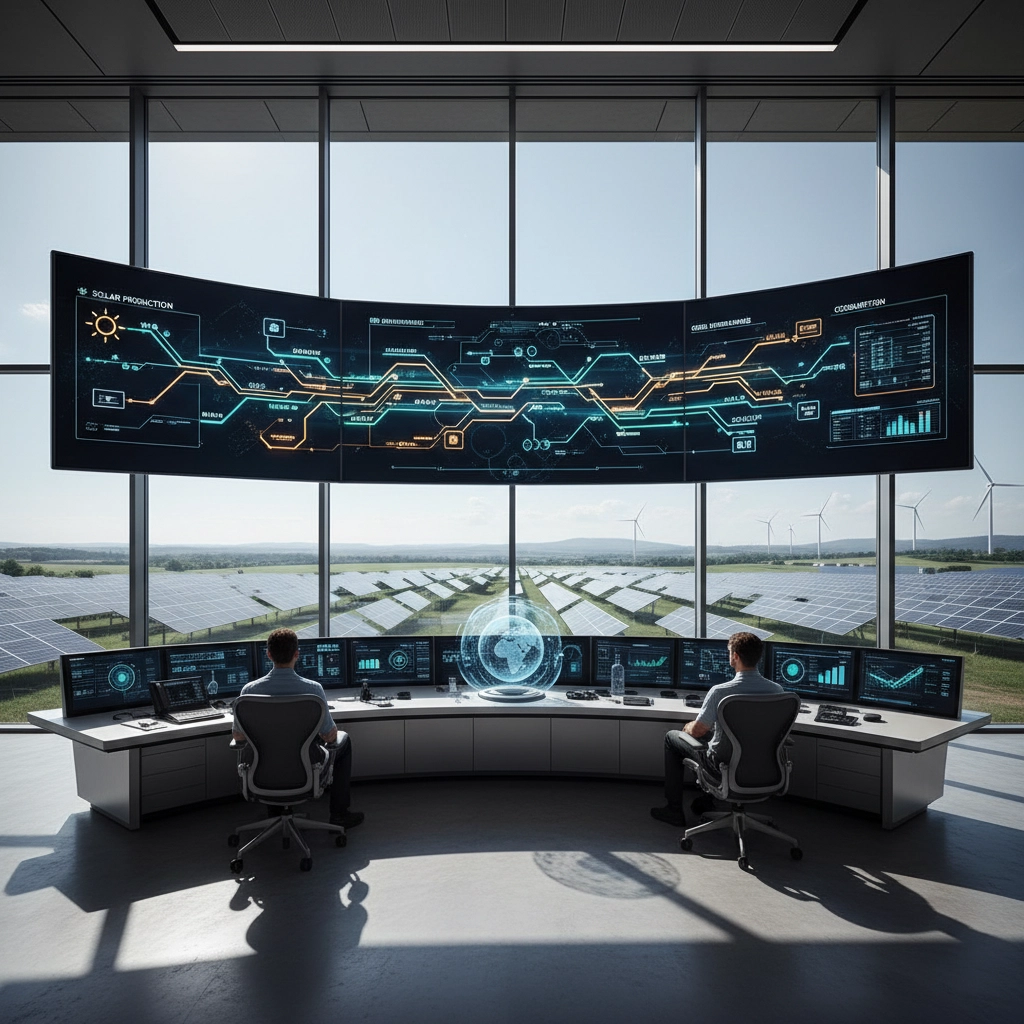
Deploy advanced monitoring and control systems that provide real-time visibility into your energy infrastructure performance. These systems alert maintenance staff to potential issues before they cause outages, enabling proactive maintenance that prevents service interruptions. Remote monitoring capabilities allow your team to manage multiple facilities from centralized locations.
Implement demand response strategies that automatically reduce non-critical loads during peak demand periods or grid emergencies. These systems maintain essential operations while supporting grid stability and potentially earning your agency financial incentives from utility companies.
Making Strategic Decisions for Long-Term Resilience
Your energy infrastructure investments should align with your agency's long-term operational goals and budget constraints. Consider the total cost of ownership including initial installation, ongoing maintenance, fuel costs, and replacement cycles when evaluating different technologies. Lower upfront costs may result in higher lifetime expenses if maintenance requirements or efficiency levels don't meet expectations.
Evaluate vendor capabilities and support networks before making major equipment purchases. Your chosen suppliers should provide comprehensive maintenance services, emergency support, and replacement parts availability. Government agencies require vendors with proven track records serving public sector clients and understanding regulatory compliance requirements.
Plan for scalability as your facility's power requirements evolve. Modular backup power systems allow you to add capacity incrementally rather than over-sizing initial installations. This approach provides flexibility to accommodate changing operational needs while optimizing capital expenditures.
Consider regional factors that influence your backup power requirements. Facilities in areas prone to severe weather events need more robust backup systems than those in stable climates. Geographic location also affects fuel availability during emergencies, influencing whether diesel, natural gas, or propane generators best serve your needs.
Building Your Future-Ready Energy Strategy
Government agencies need both grid-tied systems and backup power: the question isn't whether to choose one or the other, but how to integrate them effectively. Your optimal solution combines the economic benefits of grid connection with the reliability assurance of backup power systems.
Start by conducting a comprehensive energy audit that identifies your facility's power priorities, consumption patterns, and vulnerability points. Use this information to design a layered approach that maintains grid connectivity while providing robust backup capabilities. Consider renewable energy integration opportunities that reduce operating costs while supporting sustainability objectives.
Work with experienced energy consultants who understand government facility requirements and regulatory compliance needs. These professionals help you navigate utility interconnection requirements, permitting processes, and technology selection decisions. Their expertise ensures your energy infrastructure investments deliver the reliability and efficiency your agency requires.
Your energy strategy should evolve with changing technology and operational requirements. Plan regular reviews of your infrastructure performance and emerging technology opportunities. This proactive approach positions your agency to take advantage of innovations while maintaining the reliable power supply essential for public service delivery.
The future belongs to agencies that embrace hybrid energy strategies combining grid connectivity with backup power resilience. Make the investments necessary to protect your critical operations while positioning your facility for long-term success in an evolving energy landscape.