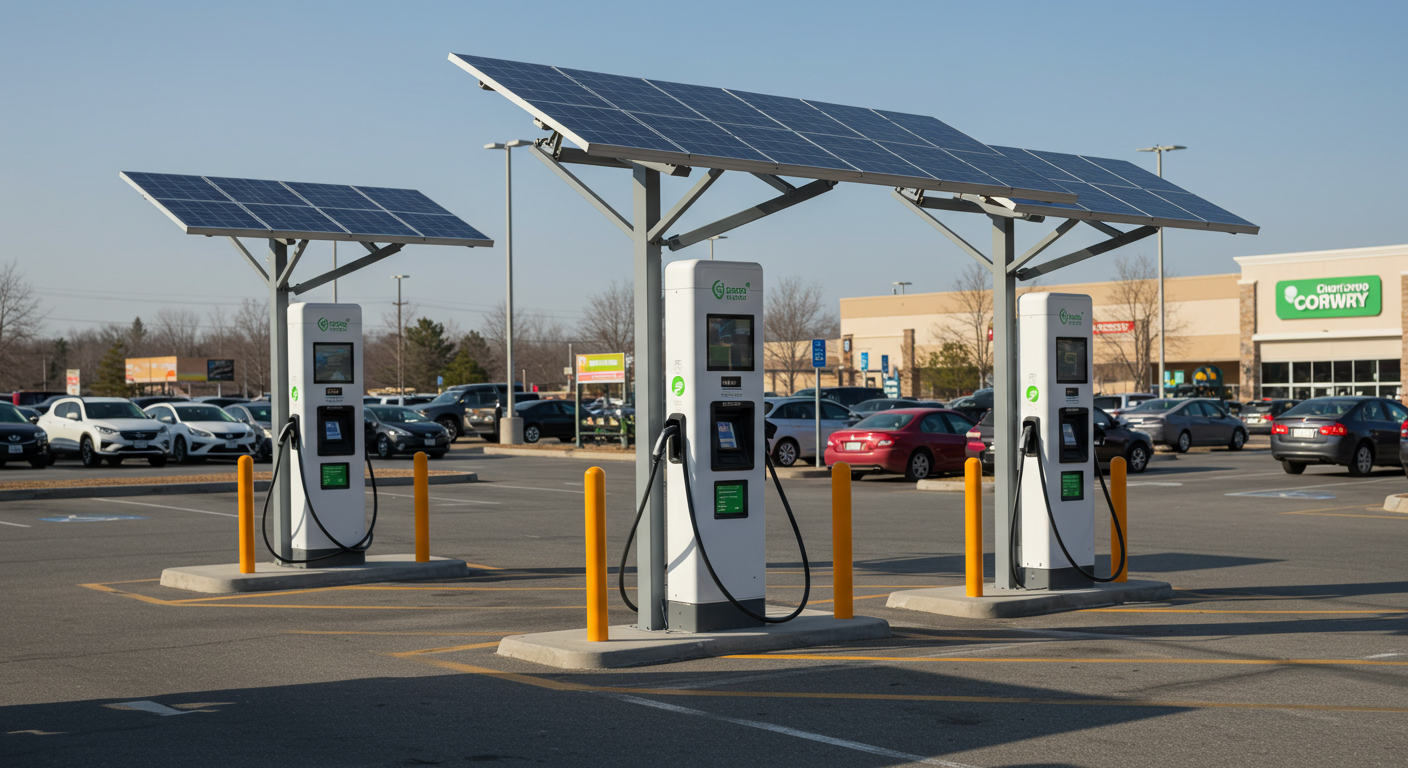
Your municipality faces a critical decision that will shape your community's sustainable transportation future. As electric vehicle adoption accelerates and your fleet electrification goals become reality, you must choose the right charging infrastructure strategy. The choice between solar-powered EV charging and traditional grid-tied solutions isn't just about technology: it's about matching your community's specific needs, budget constraints, and long-term vision.
Understanding the strengths and limitations of each approach enables you to make informed decisions that serve your constituents effectively while maximizing your infrastructure investments.
Evaluate Solar EV Charging for Strategic Deployment
Solar-powered EV charging represents a revolutionary approach to municipal vehicle fueling that generates electricity on-site through integrated photovoltaic arrays. These systems operate independently or in grid-connected configurations, providing unprecedented deployment flexibility for your charging infrastructure.
Recognize the Core Advantages
Solar EV charging delivers compelling benefits that align with forward-thinking municipal strategies. Your operating costs remain remarkably low after installation since solar energy provides free fuel for ongoing operations. The systems eliminate transmission losses by generating power directly at the point of use, reducing strain on your local electrical grid.
Deploy these systems to enhance your municipality's emergency preparedness capabilities. Off-grid solar charging stations continue operating during power outages, supplying electricity to essential vehicles and emergency equipment when your community needs it most. This resilience becomes invaluable during natural disasters or grid failures.
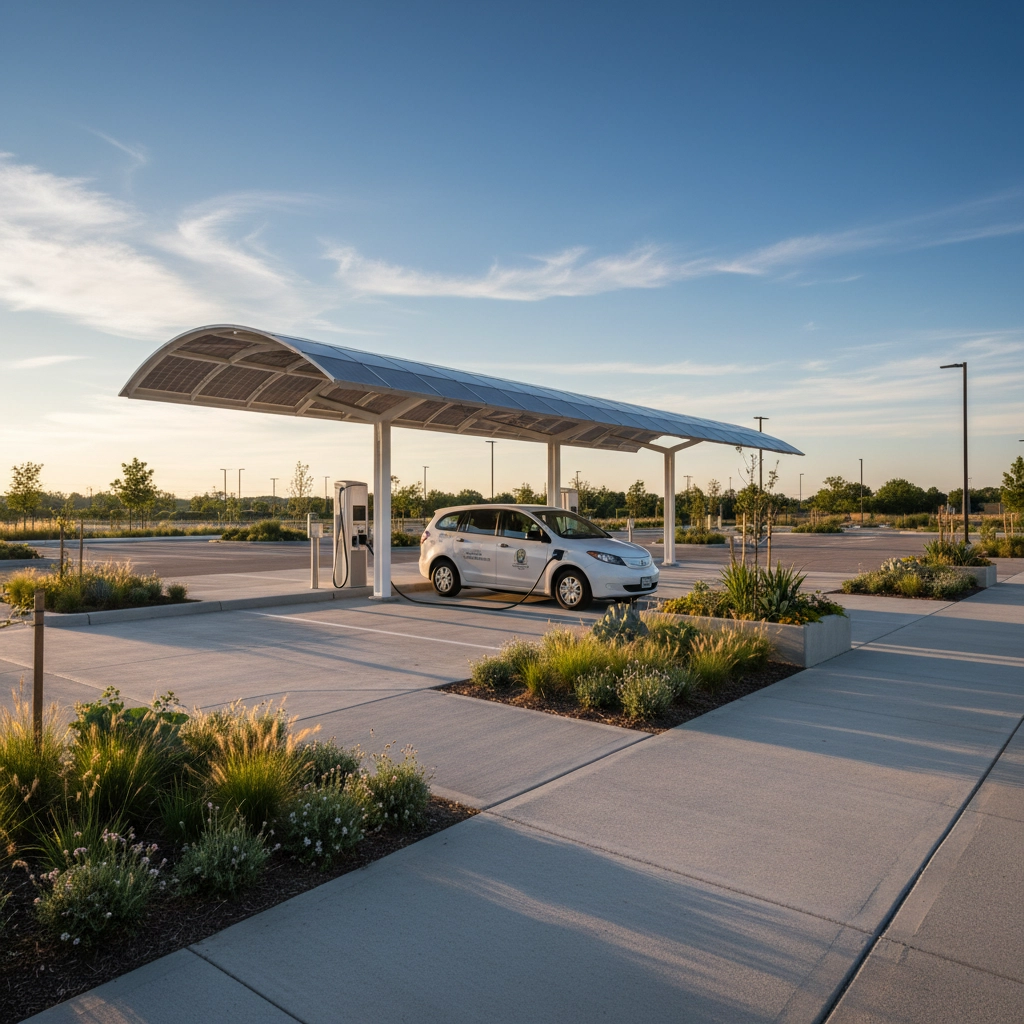
Leverage the exceptional deployment flexibility that solar systems provide. Position mobile charging units at temporary locations such as construction sites, special events, or areas awaiting permanent infrastructure development. Once your permanent grid-tied charging is established, relocate these solar units to serve other community needs.
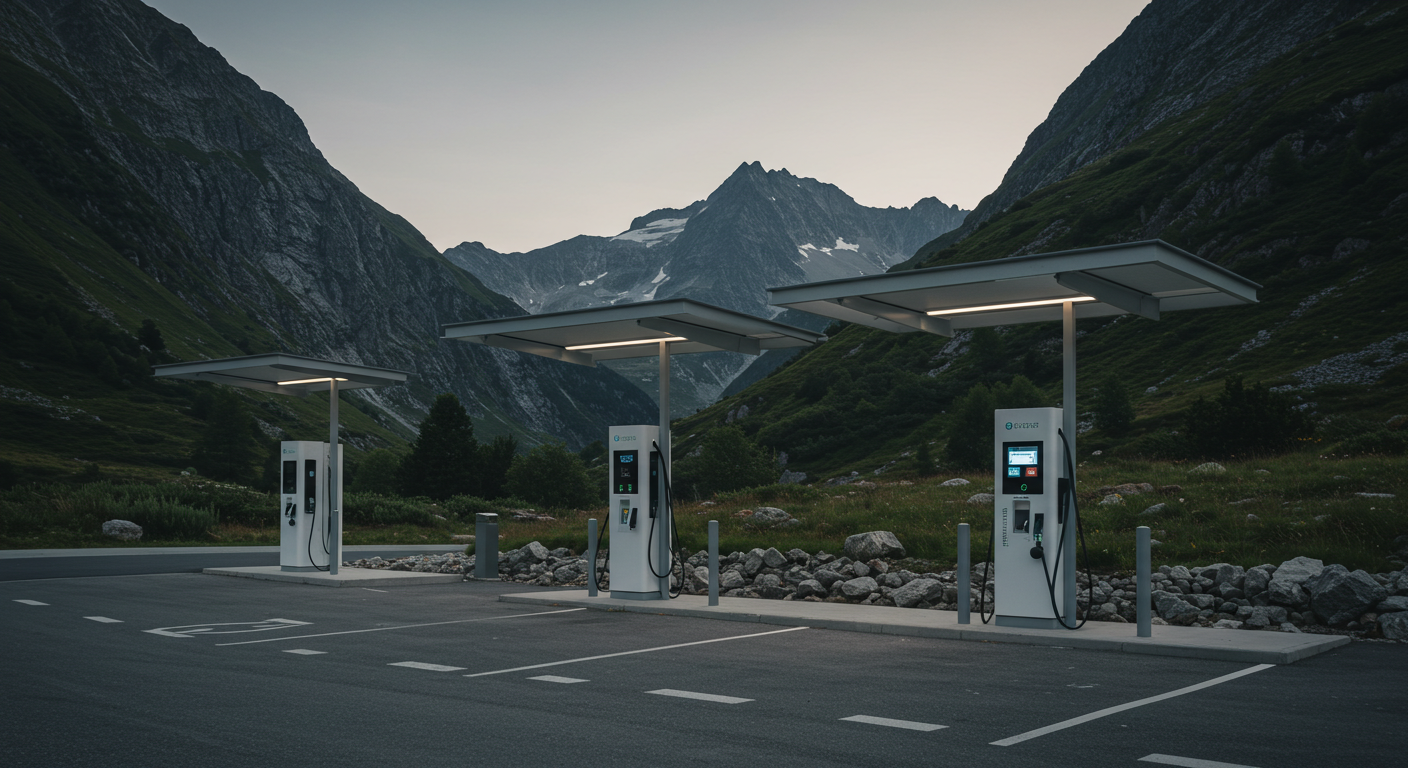
Target rural and remote areas where solar charging becomes essential infrastructure. Communities lacking reliable grid power or facing expensive grid extension projects benefit tremendously from energy independence that solar systems provide. Your investment supports local economic development through installation and maintenance job creation while reducing dependence on imported fuels.
Address the Operational Limitations
Solar-powered stations face specific constraints that require careful consideration in your planning process. Energy generation depends heavily on your geographic location, local weather patterns, and solar array sizing. During peak operational hours or extended cloudy periods, your solar stations may struggle to charge multiple vehicles simultaneously, creating potential service delays.
Plan for substantial upfront investment requirements. Solar EV charging demands significant capital expenditure that often requires government incentives or subsidies to achieve economic viability. Your financial planning must account for these higher initial costs against long-term operational savings.
Consider the current lack of standardization in solar charging connectors and infrastructure when evaluating compatibility with your existing vehicle fleet and future procurement plans.
Assess Traditional Grid-Tied Solutions for Reliable Operations
Grid-connected EV charging infrastructure leverages your existing electrical systems to power charging stations, representing the established approach for permanent municipal installations serving diverse vehicle volumes.
Capitalize on Proven Reliability
Traditional grid solutions provide consistent, scalable charging capacity that supports your municipality's most demanding operational requirements. Your charging stations maintain reliable power availability regardless of weather conditions, enabling simultaneous vehicle charging without operational delays or capacity concerns.
Integrate seamlessly with your existing electrical infrastructure in developed areas. This compatibility reduces deployment complexity and accelerates installation timelines, getting your charging network operational faster. Your established utility partnerships and rate structures provide familiar frameworks for managing charging costs and energy consumption.
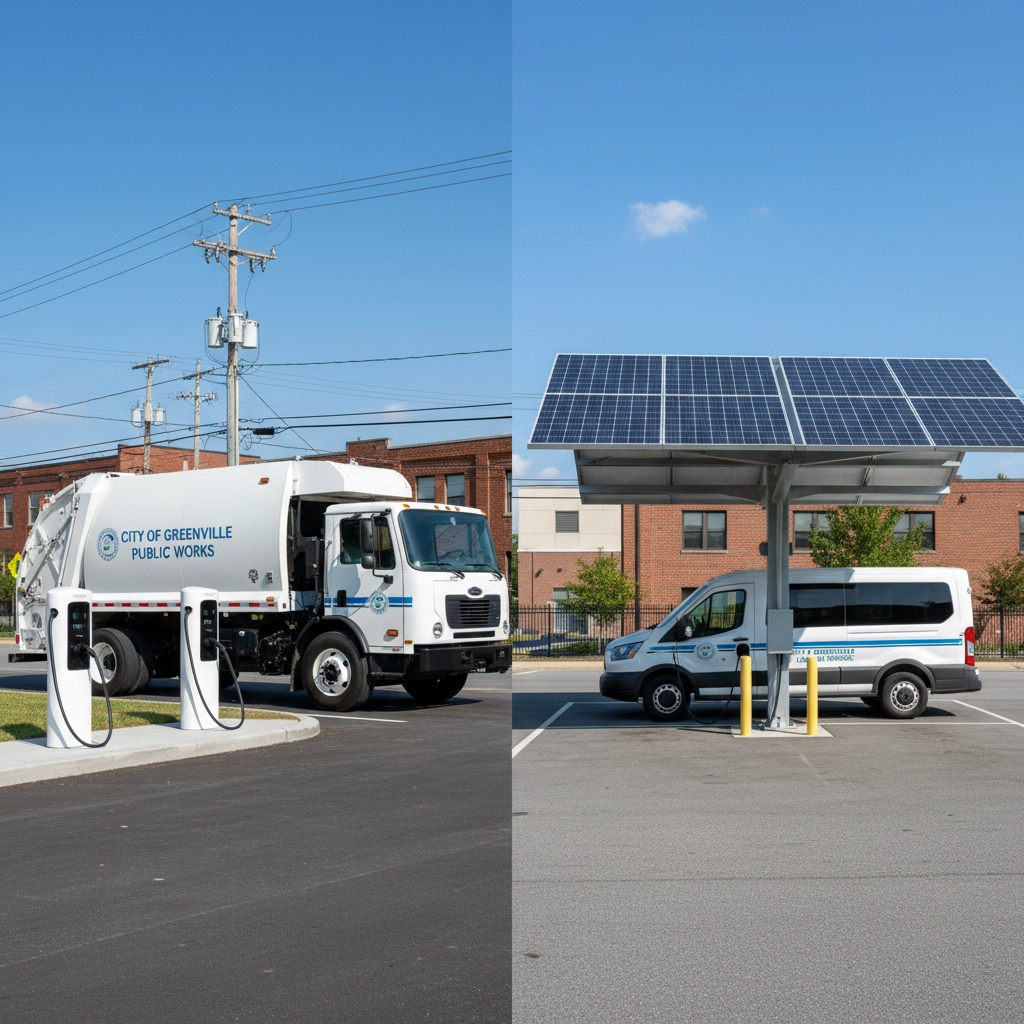
Coordinate with utilities to optimize your charging strategies through time-of-use rates and demand response programs. These partnerships create opportunities for cost savings and broader collaboration on municipal energy management initiatives.
Access increasingly renewable energy sources as your regional electricity grid transitions toward cleaner generation. Your grid-tied systems automatically benefit from utility-scale renewable energy investments without additional infrastructure modifications.
Manage Grid-Dependent Constraints
Grid-connected systems concentrate charging demand at specific locations, potentially straining your local electrical infrastructure during peak usage periods. Evaluate your existing electrical capacity carefully to avoid costly utility upgrades or service interruptions.
Account for ongoing electricity costs that fluctuate with regional utility rates and grid composition. Your operational expenses remain tied to utility pricing structures and energy market conditions beyond your direct control.
Plan for installation limitations that require hardwired connections to existing electrical infrastructure. This dependency makes grid solutions impractical for temporary locations or areas without established electrical access.
Recognize that traditional infrastructure cannot provide emergency power functions during grid outages, limiting your operational resilience during critical situations.
Compare Your Options Strategically
Your decision requires careful analysis of how each solution aligns with your specific municipal requirements, operational priorities, and budget constraints.
Solar EV charging excels in scenarios requiring deployment flexibility, energy independence, and emergency resilience. Your operating costs remain minimal after installation, but substantial upfront investment and weather-dependent reliability require careful evaluation.
Traditional grid solutions provide consistent, scalable power for permanent installations serving high vehicle volumes. Your integration with existing infrastructure accelerates deployment, but ongoing utility costs and grid dependence limit operational flexibility.
Consider your geographic context carefully. Rural and remote areas often favor solar solutions due to limited grid access and energy independence benefits. Urban areas with robust electrical infrastructure typically benefit from grid-tied reliability and scalability.
Implement Your Optimal Strategy
Deploy Solar Charging When Your Community Needs:
Energy independence in remote or rural areas where grid extension costs are prohibitive. Your municipality serves constituents effectively while avoiding expensive utility infrastructure projects.
Temporary charging solutions at development sites, special events, or transitional locations before permanent infrastructure installation. This flexibility maximizes your infrastructure investments across multiple community needs.
Emergency preparedness and grid resilience capabilities that maintain essential vehicle operations during power outages. Your community remains operational when neighboring areas experience service disruptions.
Aggressive renewable energy integration that aligns with your climate action goals and sustainability commitments. Solar charging demonstrates your municipality's leadership in clean energy adoption.
Choose Grid Solutions When Your Operations Require:
High-volume fleet charging that demands simultaneous vehicle service without capacity constraints. Your municipal operations continue without weather-related delays or limitations.
Permanent charging infrastructure at fixed locations with established utility partnerships and adequate electrical capacity. This approach integrates smoothly with your existing municipal systems and procurement processes.
Cost predictability and straightforward financial planning through familiar utility rate structures. Your budget planning benefits from established relationships and known pricing frameworks.
Execute a Hybrid Approach for Maximum Impact
Achieve optimal outcomes by implementing both technologies strategically throughout your community. Install permanent grid-tied charging for core municipal operations and regular public charging needs while deploying solar systems for emergency resilience, temporary locations, and underserved areas.
This dual-infrastructure strategy maximizes your coverage area, ensures operational redundancy, and positions your municipality as a comprehensive EV-friendly community. Your residents and businesses benefit from reliable charging access regardless of location or circumstances.
Your strategic implementation of both solar and grid-tied charging solutions creates a resilient, flexible network that serves your community's diverse needs while supporting long-term sustainability goals. Make your decision based on careful analysis of your specific requirements, and your municipality will lead the transition to sustainable transportation infrastructure.