Government contracts for off-grid solar projects represent significant opportunities, but they also come with unique challenges that can derail even experienced contractors. When taxpayer dollars are at stake, there's no room for costly mistakes that lead to system failures, budget overruns, or compliance violations.
You need to understand that off-grid solar installations for government facilities require a different approach than typical residential or commercial grid-tied systems. The stakes are higher, the requirements more stringent, and the consequences of errors more severe. Master these seven critical areas to ensure your government solar projects succeed from planning through completion.
Mistake #1: Underestimating Energy Requirements and Load Analysis
Your biggest error starts before you even touch a solar panel. Government contractors consistently underestimate the actual energy needs of remote facilities, leading to undersized systems that fail to meet operational demands.
Government facilities often have unique power requirements that fluctuate dramatically based on mission-critical operations. A remote border station might need to power surveillance equipment 24/7, while a national park facility could have seasonal variations in visitor services. You cannot rely on standard residential calculators or generic load estimates.
How to Fix It:
Conduct comprehensive energy audits that account for all electrical loads, including backup systems, emergency equipment, and future expansion needs. Document every device, from HVAC systems to communication equipment. Build in a 25-30% safety margin above calculated requirements to handle unexpected loads and system degradation over time.
Create detailed load profiles that map energy consumption throughout different operational scenarios. Your system design must accommodate peak demand periods, not just average consumption.
Mistake #2: Inadequate Battery Storage Planning and Sizing
Battery storage represents the heart of any off-grid system, yet contractors frequently miscalculate storage capacity requirements. This mistake becomes catastrophic when government facilities lose power during critical operations.
You must account for multiple days of autonomy, especially for facilities in regions with extended periods of low sunlight. Government installations cannot afford power outages that compromise security systems, communication networks, or life safety equipment.
How to Fix It:
Size your battery bank for a minimum of three to five days of autonomy, depending on the facility's criticality level. Calculate storage needs based on your worst-case weather scenarios, not average conditions. Factor in battery aging and capacity degradation over the system's 20-year lifespan.
Select battery technologies appropriate for the operating environment. Lithium-ion batteries offer superior performance but require careful temperature management. Lead-acid batteries might be more suitable for extreme temperature locations despite lower efficiency.
Implement proper battery monitoring systems that provide real-time capacity data and predictive maintenance alerts. Your government clients need visibility into system performance to ensure continuous operation.
Mistake #3: Ignoring Regulatory Compliance and Permitting Requirements
Government projects operate under multiple layers of regulatory oversight that extend far beyond typical building codes. You face federal, state, and local requirements, plus agency-specific security and operational standards.
Many contractors treat government projects like standard commercial installations, overlooking specialized requirements for security clearances, Buy American Act compliance, and environmental impact assessments. These oversights can halt projects entirely or result in costly rework.
How to Fix It:
Research all applicable regulations before submitting your proposal. Federal facilities may require NERC-CIP compliance for cybersecurity, while military installations need adherence to UFC (Unified Facilities Criteria) standards. Environmental assessments under NEPA (National Environmental Policy Act) can add months to project timelines.
Engage with the appropriate authorities early in the design phase. Schedule pre-application meetings with local building departments and coordinate with facility security officers to understand access restrictions and installation procedures.
Ensure all equipment meets required certifications and sourcing requirements. Government contracts often mandate American-made components or specific security certifications for electronic equipment.
Mistake #4: Poor Site Assessment and Environmental Analysis
Government facilities often occupy challenging locations with unique environmental factors that standard site assessment protocols miss. Remote military outposts, border stations, and research facilities present conditions unlike typical commercial installations.
You cannot rely on generic weather data or assume favorable installation conditions. Government sites may have restricted access areas, underground utilities requiring special clearance, or environmental sensitivities that limit installation options.
How to Fix It:
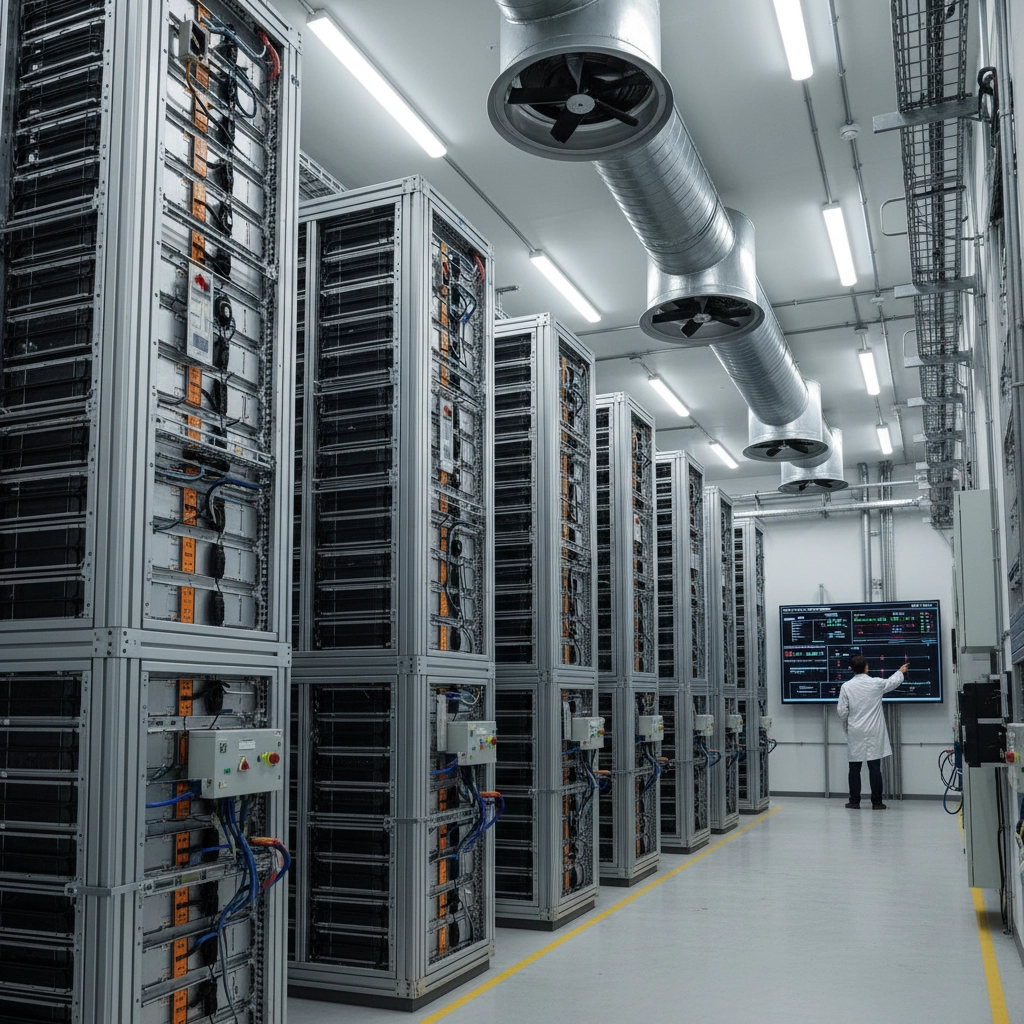
Conduct thorough site surveys that include geotechnical analysis, environmental impact assessment, and security zone mapping. Document existing infrastructure, including backup generators, fuel storage systems, and communication towers that might affect solar panel placement.
Analyze microclimate conditions that could impact system performance. Mountain installations face different challenges than desert facilities, while coastal locations require enhanced corrosion protection.
Coordinate with facility managers to understand operational constraints. Some government facilities have blackout periods when construction activities cannot occur, or restricted airspace that limits equipment access.
Mistake #5: Inadequate Electrical System Integration
Government facilities typically operate complex electrical systems with multiple backup sources, transfer switches, and mission-critical loads that require seamless integration with new solar installations.
Your solar system must integrate with existing generators, UPS systems, and emergency power circuits without creating single points of failure. Many contractors underestimate the complexity of tying into government facility electrical infrastructure.
How to Fix It:
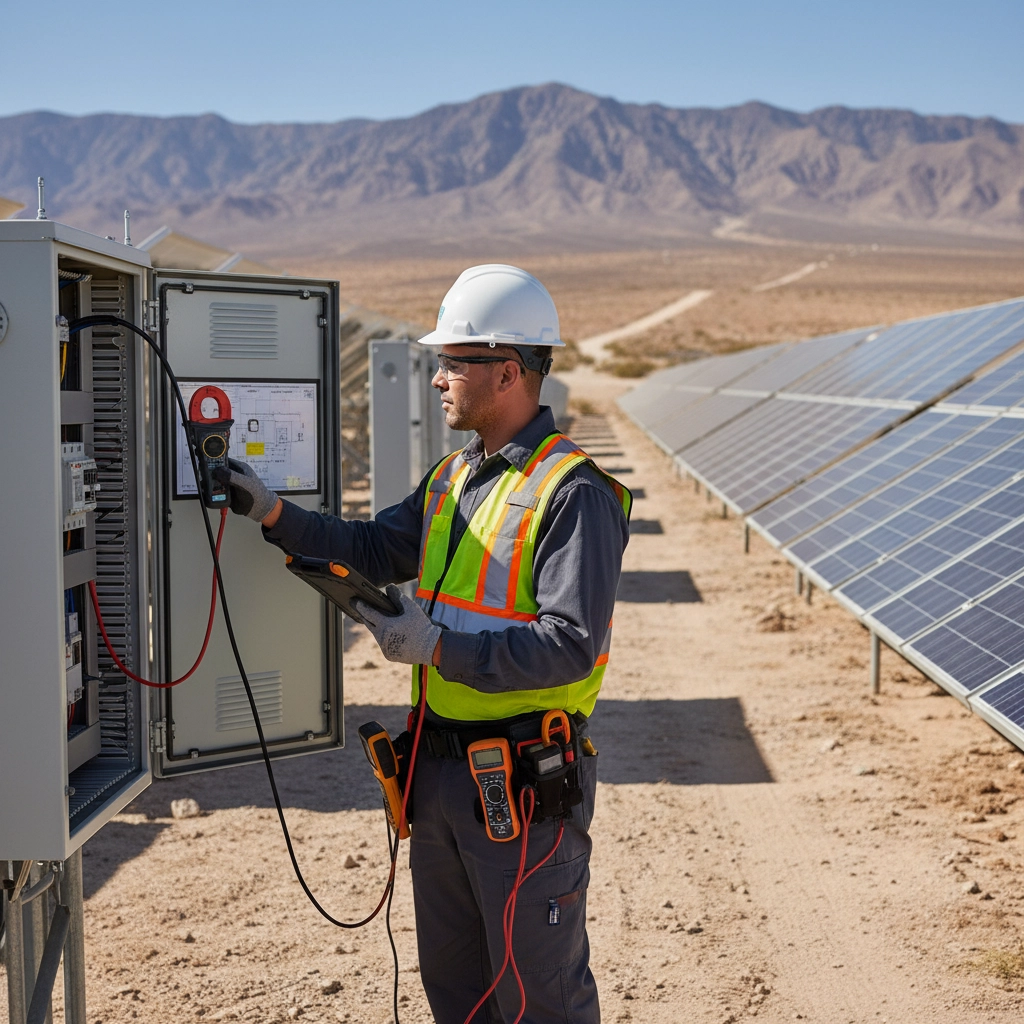
Perform detailed electrical system analysis that maps all existing power sources and distribution pathways. Your solar integration must maintain system redundancy and cannot compromise existing backup power capabilities.
Design proper transfer switch logic that prioritizes mission-critical loads during power source transitions. Government facilities cannot tolerate power interruptions to security systems, communication equipment, or life safety devices.
Implement comprehensive system monitoring that provides facility managers with real-time visibility into all power sources. Your integration should enhance operational awareness, not create additional complexity.
Mistake #6: Insufficient Cybersecurity and Physical Security Measures
Government solar installations become part of the facility's critical infrastructure, making them potential targets for physical or cyber attacks. Standard commercial security measures fall short of government requirements.
Your solar system's communication networks, monitoring systems, and control interfaces must meet strict cybersecurity standards. Physical access controls and tamper detection systems protect against sabotage or theft.
How to Fix It:
Implement cybersecurity measures that align with government standards such as NIST frameworks or agency-specific requirements. Isolate solar system networks from other facility systems and encrypt all communications.
Design physical security features including perimeter fencing, motion detection, and surveillance camera integration. Solar installations in remote locations need enhanced protection against theft of valuable components.
Coordinate with facility security personnel to ensure your installation procedures and ongoing maintenance requirements align with site security protocols. Background checks and clearances may be required for all personnel accessing the facility.
Mistake #7: Neglecting Long-Term Maintenance and Support Planning
Government solar installations must operate reliably for 20+ years with minimal maintenance requirements. Many contractors focus solely on installation without considering long-term support obligations and spare parts availability.
Government facilities often have limited on-site technical expertise and restricted access for outside maintenance personnel. Your system design must accommodate these operational constraints while maintaining performance standards.
How to Fix It:
Develop comprehensive maintenance plans that include predictive maintenance protocols, spare parts inventories, and emergency repair procedures. Government clients need detailed documentation that enables their personnel to perform routine maintenance tasks.
Select components with proven track records and established supply chains. Avoid cutting-edge technologies that might lack long-term support or spare parts availability. Government installations cannot afford equipment obsolescence issues.
Provide thorough training programs for facility personnel that cover system operation, routine maintenance, and troubleshooting procedures. Your training materials must meet government documentation standards and include both classroom and hands-on components.
Establish clear escalation procedures for technical support that account for security clearance requirements and site access restrictions.
Moving Forward With Confidence
Success in government off-grid solar projects requires meticulous planning, regulatory expertise, and unwavering attention to detail. These seven critical areas represent the foundation of project success, but they also highlight the complexity of government contracting.
Your expertise in these areas will differentiate you from competitors and position you for long-term success in the government market. Take time to master each element, and your projects will deliver the reliability and performance that government clients demand.
For more information about our comprehensive project management services and how we help contractors succeed with government solar installations, visit our services page.