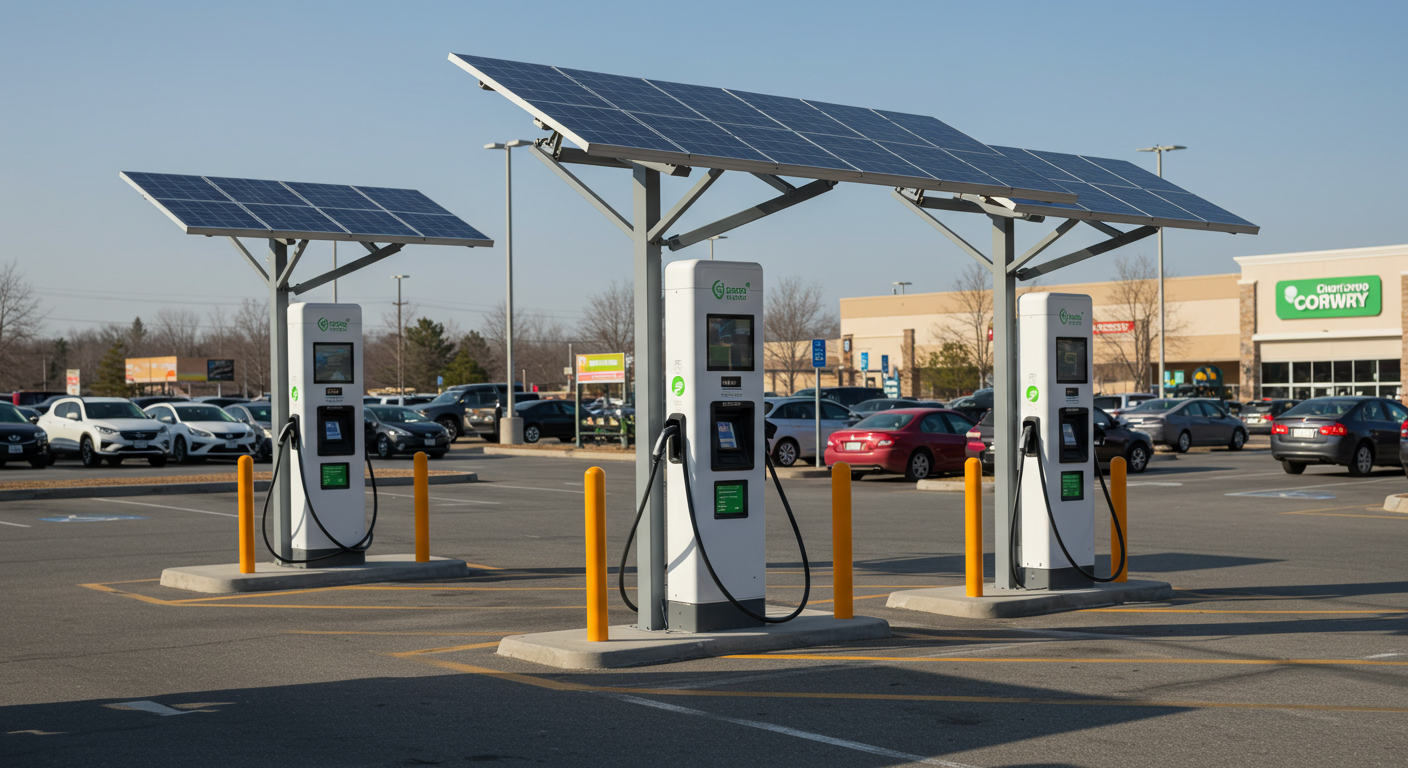
Military microgrids represent one of the most significant shifts in defense infrastructure in decades, yet most contractors and project managers remain unaware of the critical details that could make or break their next proposal. While the technology isn't classified, the strategic implications and implementation challenges are rarely discussed openly in industry circles.
The Real Reason the Military Is Going All-In on Microgrids
The U.S. Army's commitment to microgrids isn't just about energy efficiency: it's about survival. By 2035, every military installation will have a microgrid system, with 134 installations beginning deployment as of 2023. The ultimate goal? Complete energy independence for critical missions by 2040.
This isn't environmental posturing. Military strategists understand that traditional grid dependence creates vulnerabilities that hostile actors can exploit. A single coordinated attack on regional power infrastructure could cripple multiple installations simultaneously. Microgrids eliminate this single point of failure by creating autonomous energy ecosystems.
Your role as a project manager means understanding this strategic imperative. When you propose microgrid solutions, you're not selling energy systems: you're selling national security resilience.
The Tactical Microgrid Standard No One Talks About
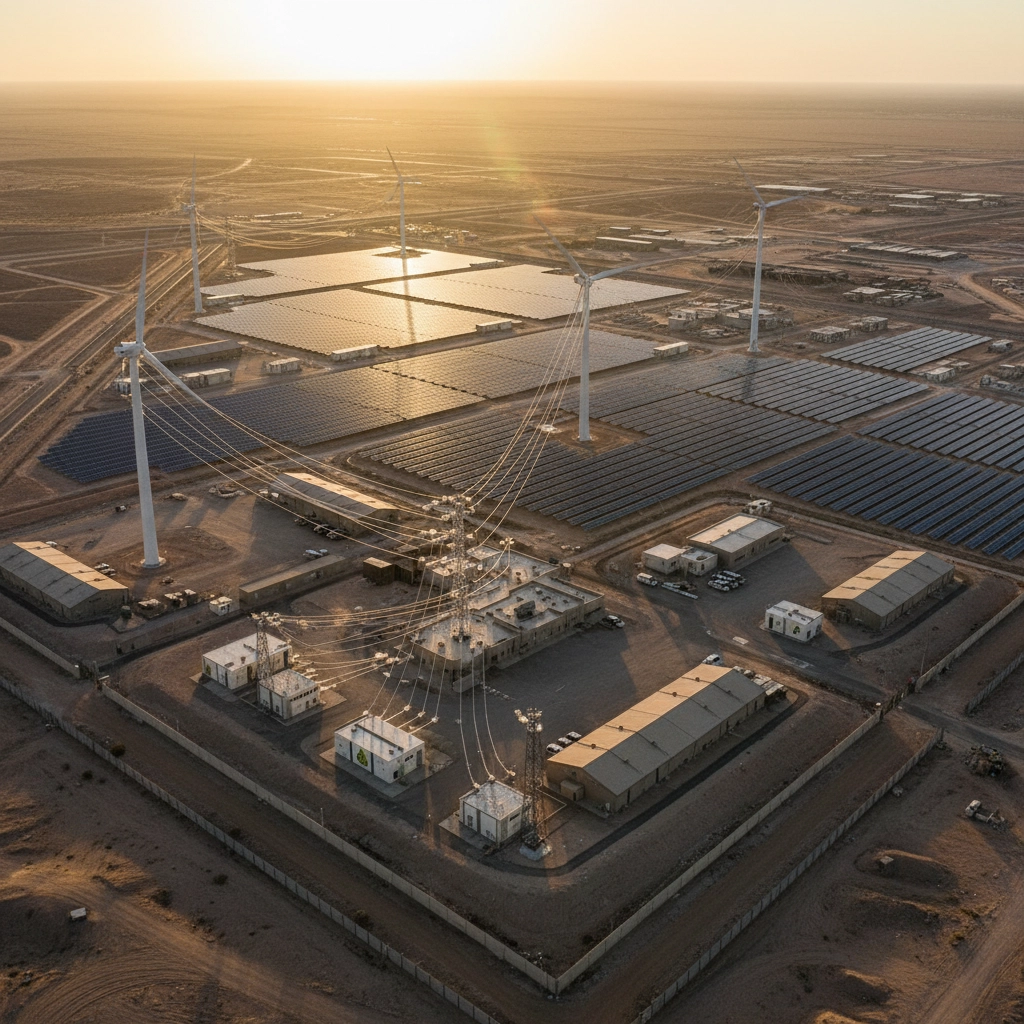
Here's what most contractors miss: the military operates under the Tactical Microgrid Standard, which defines specific control and communication interfaces. This standard ensures that different power components work together cohesively across diverse operational environments.
Understanding this standard gives you a competitive advantage. Your proposals must demonstrate compliance with these interfaces, not just general microgrid functionality. The military won't accept proprietary solutions that can't integrate with their standardized architecture.
Key components under this standard include:
- Integrated diesel generators with smart controls
- Solar panel arrays with military-grade durability specifications
- Battery storage systems designed for extreme temperature variations
- Communication protocols that maintain functionality under electronic warfare conditions
The Cybersecurity Vulnerability That Changed Everything
Pentagon officials discovered a critical weakness in military microgrid systems during a DEF CON hacker conference demonstration. Researchers proved that AI systems controlling microgrids could be manipulated through false weather data inputs.
The demonstration was startling: hackers injected impossible weather patterns: Alaskan conditions into a Texas-based microgrid system: causing complete operational failure. The AI trusted the weather data implicitly and made catastrophically wrong decisions about energy distribution and storage.
This revelation forced the Department of Defense to completely reassess their approach to AI-controlled energy systems. They realized that blind trust in AI capabilities, without proper verification protocols, created exploitable vulnerabilities.
For project managers, this means your microgrid proposals must address data verification and AI decision-making transparency. Include multiple verification layers for environmental data inputs and ensure your AI systems can explain their decision-making processes to human operators.
Why Traditional Energy Security Approaches Are Failing
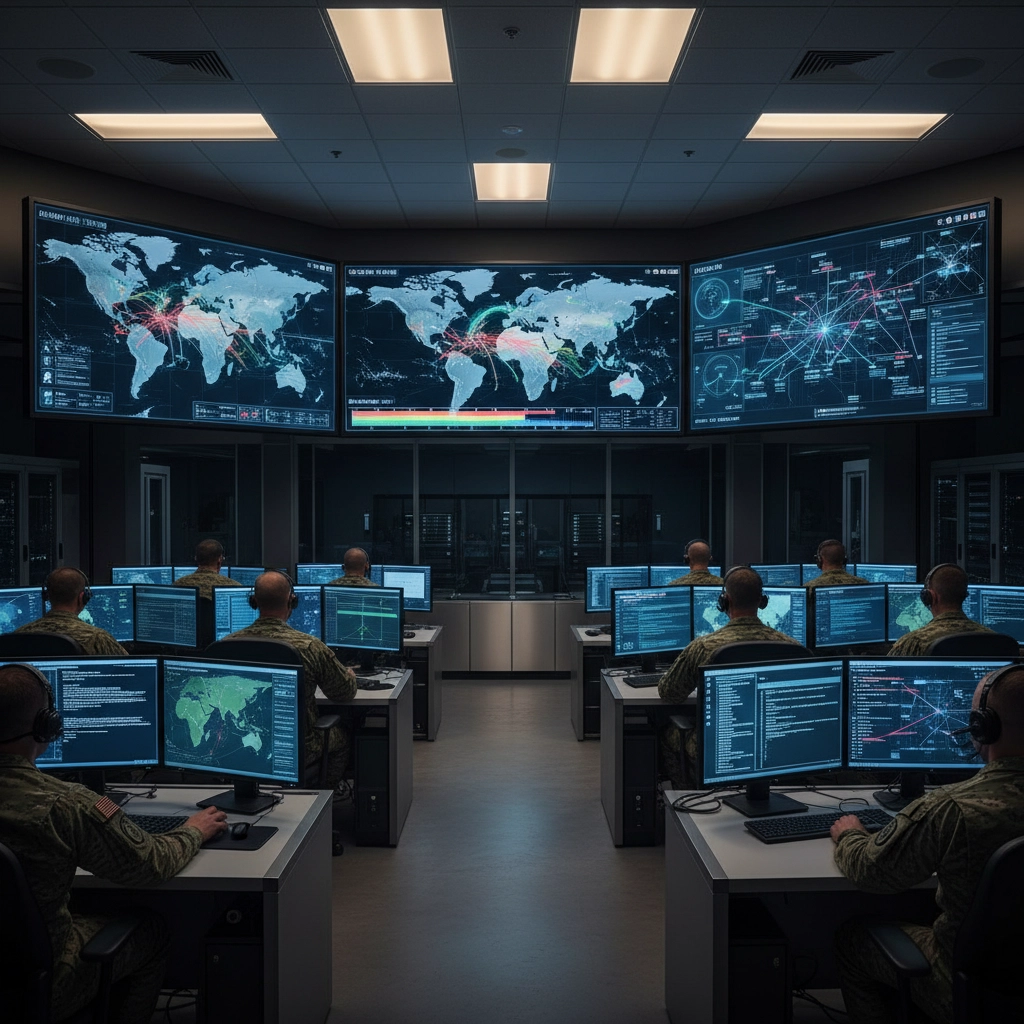
Military installations have historically relied on redundant grid connections and backup generators for energy security. This approach worked when threats were primarily physical: equipment failure or natural disasters. Today's threat landscape includes sophisticated cyber attacks targeting energy infrastructure specifically.
The 2021 Colonial Pipeline attack demonstrated how quickly critical infrastructure could be compromised through cyber means. Military planners recognized that their installations faced similar vulnerabilities through grid dependence. Traditional security measures couldn't address these evolving threats effectively.
Microgrids solve this problem by creating air-gapped energy systems. Even if broader regional power infrastructure is compromised, military installations maintain operational capability through independent energy generation and storage.
Understanding this shift helps you position your solutions correctly. Focus on cybersecurity features and air-gap capabilities rather than just efficiency metrics when presenting to military clients.
The Integration Challenge Everyone Underestimates
Military microgrids must integrate seamlessly with existing base infrastructure while maintaining compatibility with legacy systems. This integration requirement creates technical challenges that many contractors underestimate during the proposal phase.
Your microgrid solution must work with existing:
- Communication networks
- Security systems
- HVAC controls
- Vehicle charging infrastructure
- Critical mission equipment
The integration process often requires custom interface development and extensive testing protocols. Plan for these requirements early in your project timeline and budget accordingly. Military installations cannot afford system downtime during integration phases.
What the 2040 Energy Independence Target Really Means
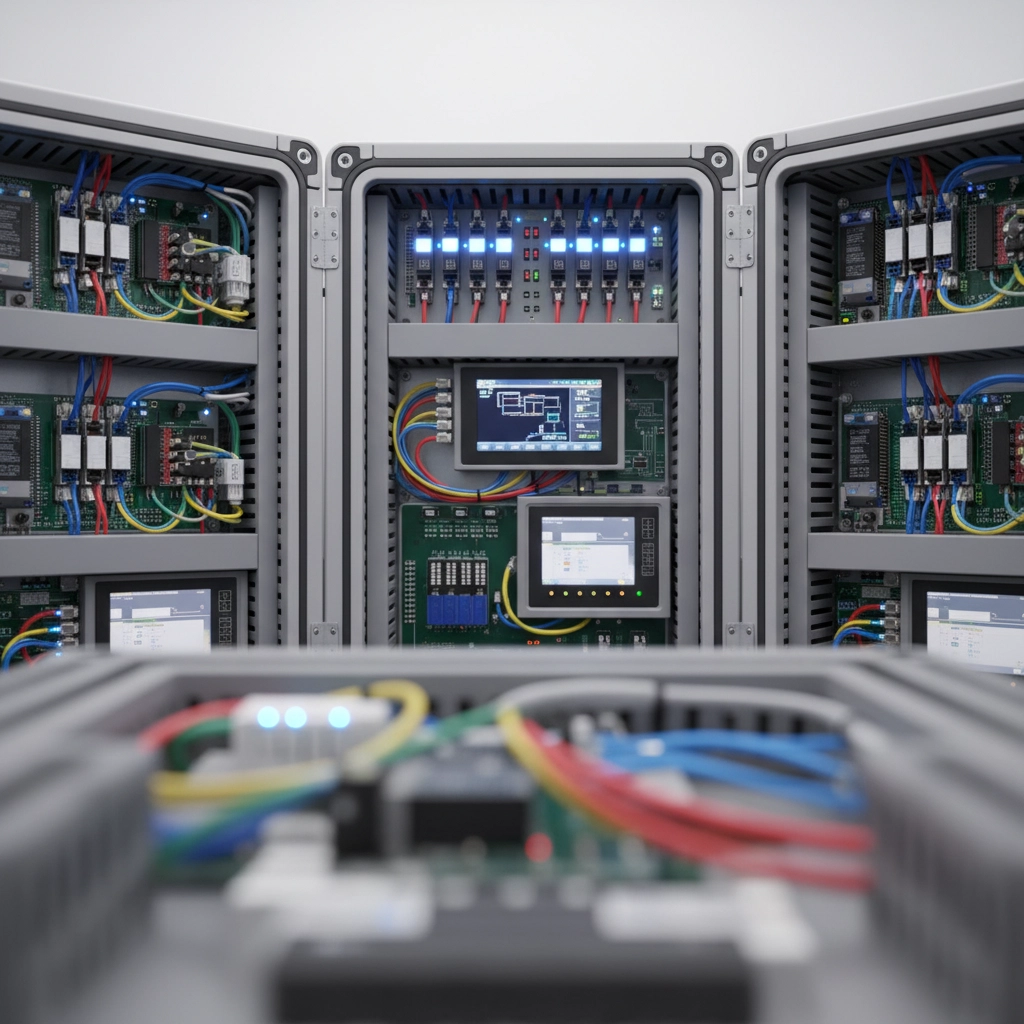
The military's commitment to energy independence by 2040 isn't just about renewable energy: it's about strategic autonomy. This target represents a fundamental shift in how defense installations operate and plan for future conflicts.
Energy independence means military bases can sustain critical operations indefinitely without external power sources. This capability becomes essential in extended conflict scenarios where supply lines may be compromised or hostile actions target civilian infrastructure.
For project managers, this timeline creates significant opportunities. The military will invest heavily in microgrid technology over the next fifteen years, but they need solutions that meet their specific operational requirements, not adapted civilian systems.
Your proposals should demonstrate understanding of military operational tempo and the ability to maintain system functionality under austere conditions. This means robust equipment specifications, extensive redundancy, and maintenance protocols designed for deployment scenarios.
The Hidden Costs Defense Contractors Don't Discuss
Military microgrid projects involve costs that aren't immediately apparent during the initial proposal phase. These hidden expenses can significantly impact project profitability if not properly anticipated.
Security clearance requirements for personnel working on sensitive installations create additional overhead costs. Your team members need appropriate clearances, and the clearance process can take months, affecting project timelines.
Specialized testing and certification requirements add complexity and expense. Military systems must meet stringent performance standards that exceed civilian requirements. Budget for extensive testing phases and potential redesign iterations.
Ongoing maintenance contracts represent both opportunity and responsibility. Military installations expect long-term support commitments, but they also provide stable revenue streams for contractors who deliver reliable performance.
Strategic Positioning for the Next Wave of Contracts
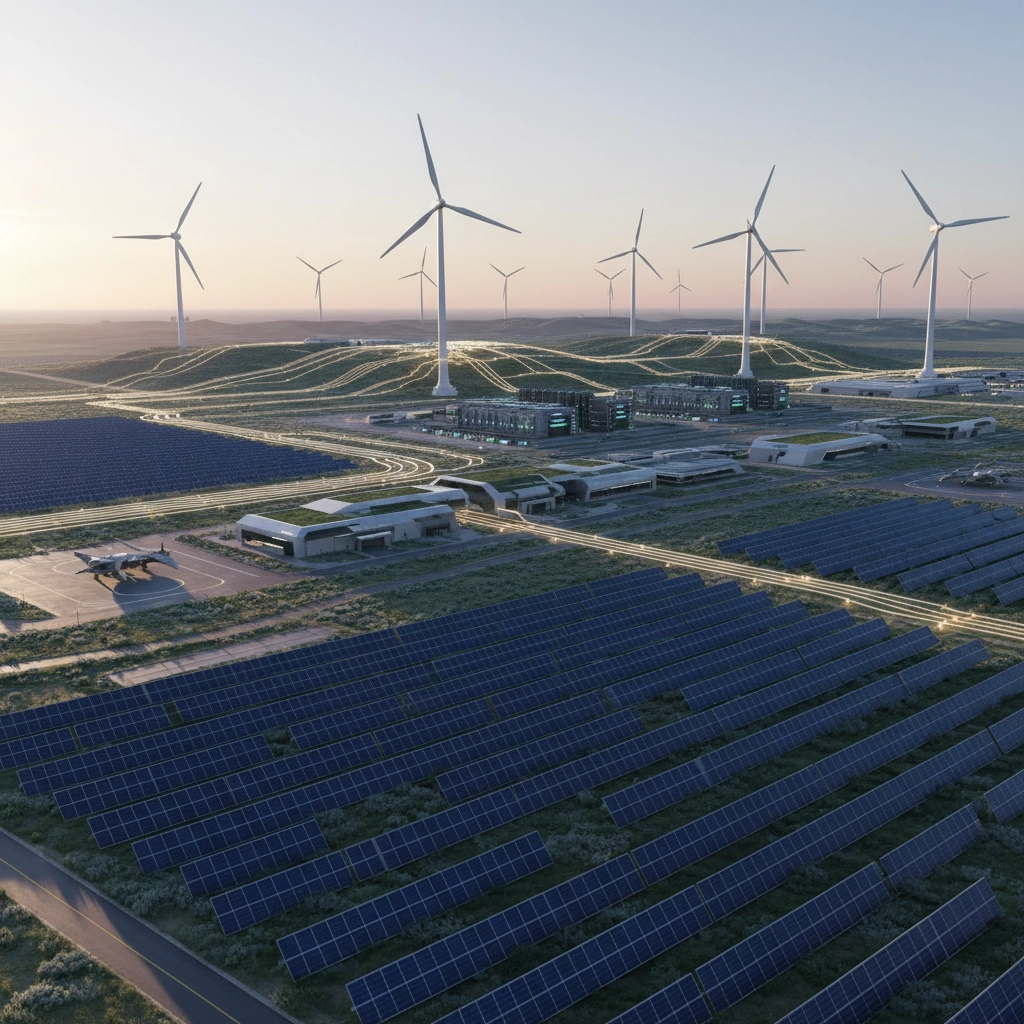
The military's microgrid expansion represents a multi-billion-dollar opportunity for prepared contractors. Success requires understanding both the technical requirements and the strategic priorities driving this investment.
Position your company as a specialist in military-grade microgrid solutions rather than a general energy contractor. Develop expertise in the Tactical Microgrid Standard and maintain current security clearances for key personnel.
Build relationships with military project managers and base commanders before solicitation periods begin. Understanding their specific operational challenges helps you develop targeted solutions that address real needs rather than generic capabilities.
Consider partnering with companies that have complementary expertise. Military microgrid projects often require specialized knowledge in areas like cybersecurity, communications, and physical security that may fall outside your core competencies.
Preparing for the Future of Military Energy Systems
Military microgrids represent just the beginning of a broader transformation in defense energy systems. Future developments will likely include advanced energy storage technologies, artificial intelligence optimization, and integration with renewable energy sources that haven't been widely deployed yet.
Stay informed about emerging technologies and their potential military applications. The contractors who succeed in this market will be those who can anticipate future requirements and position their solutions accordingly.
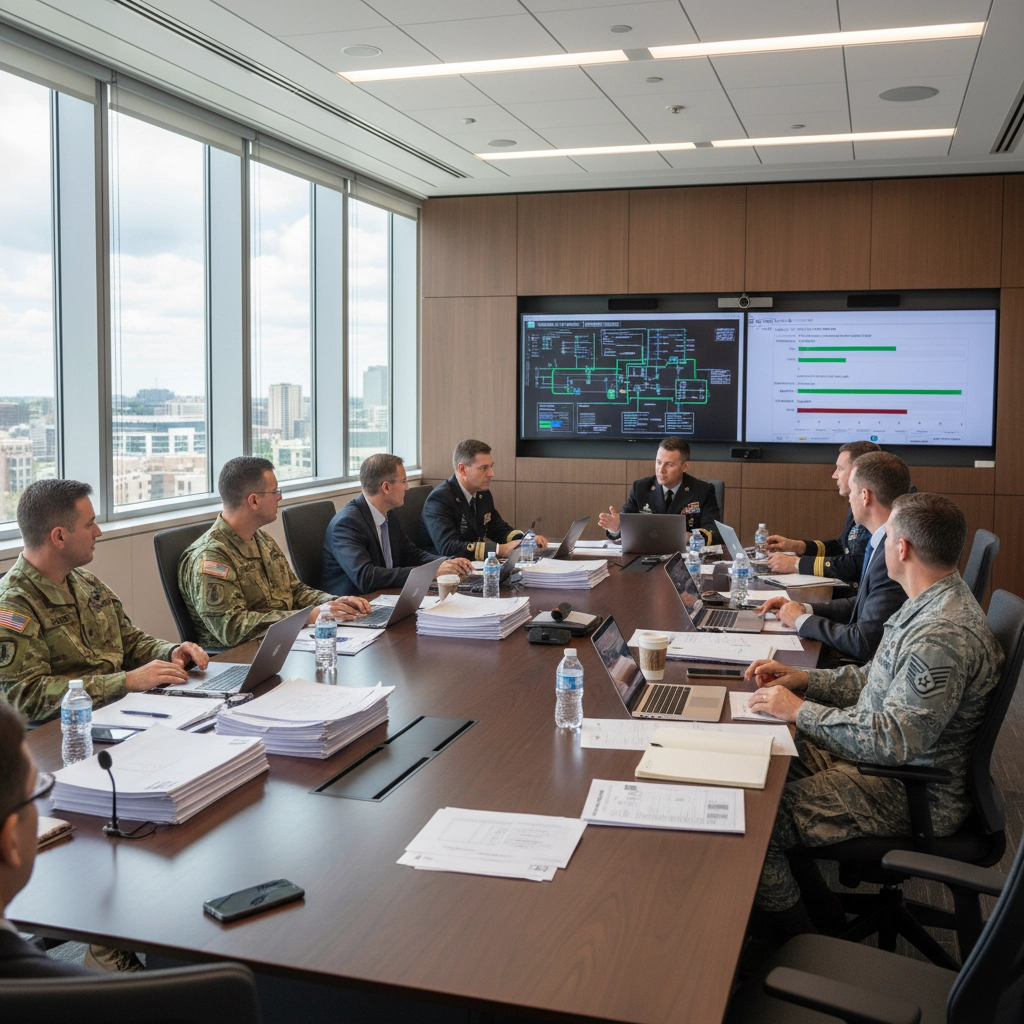
Your success in military microgrid projects depends on understanding the strategic context behind the technology requirements. These systems aren't just about energy efficiency: they're about maintaining operational capability in an increasingly complex threat environment. Project managers who grasp this fundamental truth will find themselves well-positioned for the opportunities ahead.
For more insights on integrating renewable energy systems with security infrastructure, explore our comprehensive analysis of modern off-grid solutions.