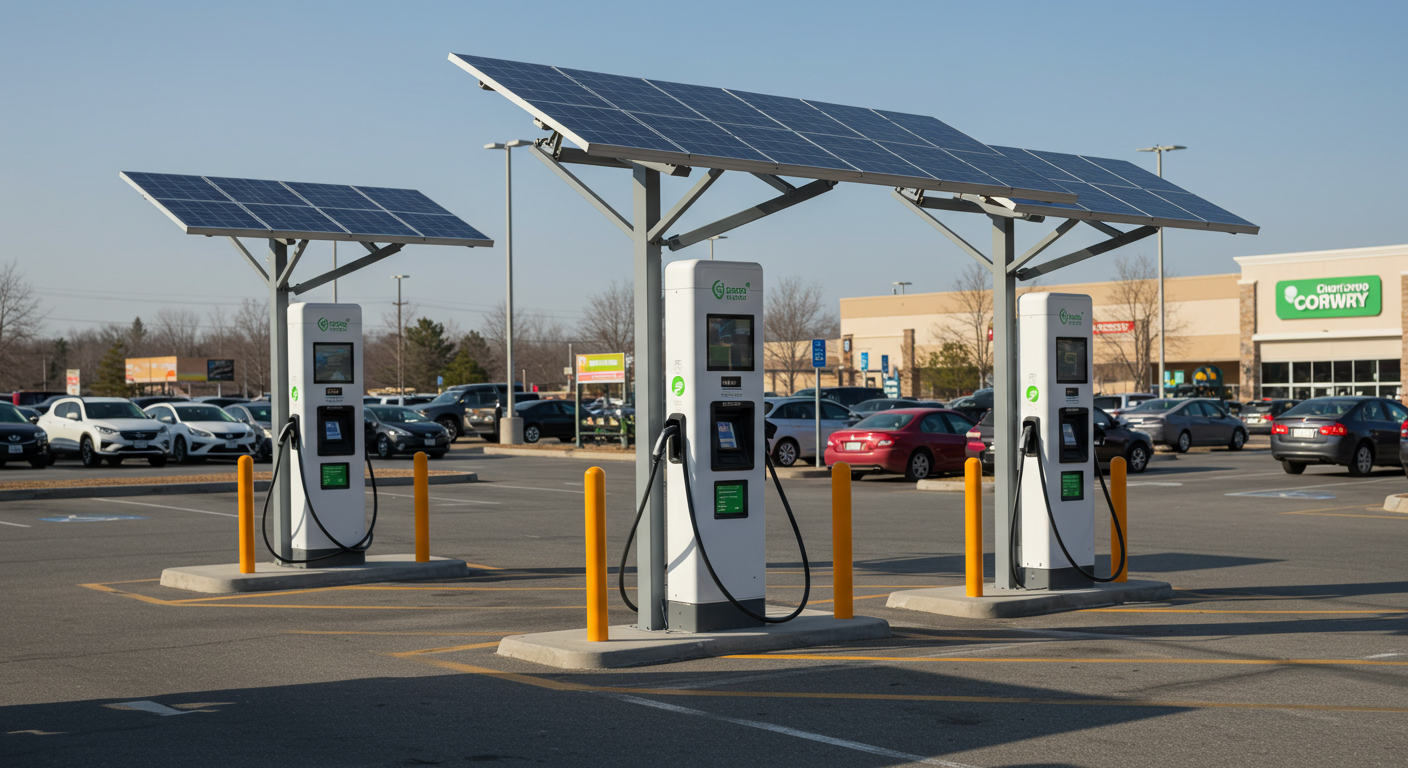
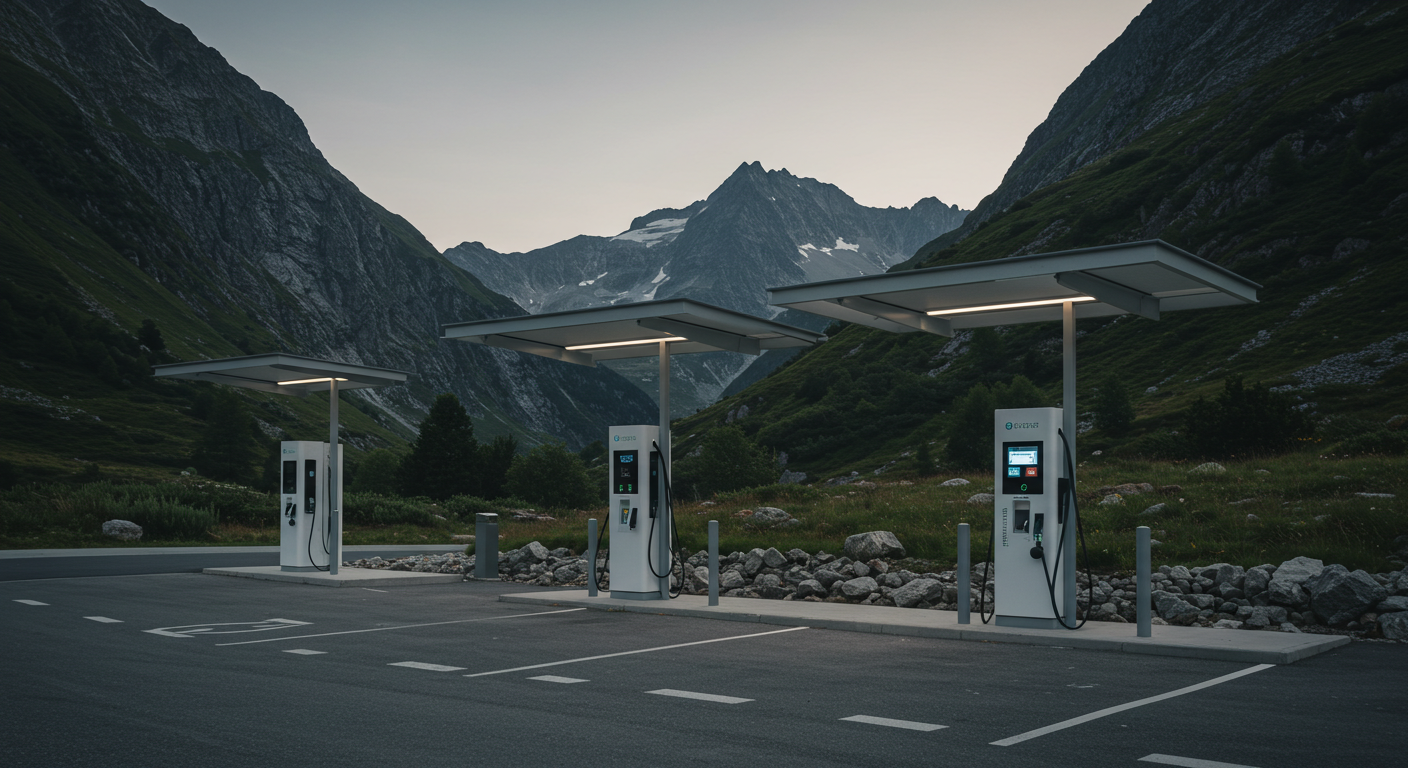
Traditional security systems aren't dead: but they're rapidly becoming obsolete for remote installations. While grid-connected systems continue serving urban facilities effectively, the unique challenges of remote sites demand a fundamental shift toward integrated solar solutions. You'll discover why this transition isn't just practical: it's essential for modern security operations.
Understanding the Current Security Landscape
Your security infrastructure decisions today shape operational capabilities for years to come. Traditional wired systems dominated the market when most facilities operated within established electrical grids. These systems relied on consistent power sources, hardwired connections, and centralized monitoring stations.
Remote locations expose critical vulnerabilities in conventional approaches. You face installation costs that can exceed $50,000 per mile for power line extensions. Generator-dependent systems require constant fuel delivery, creating logistical nightmares and operational expenses that spiral beyond budget projections.
The security industry recognizes this shift. Industry reports indicate that solar-powered security installations have grown by 300% over the past five years, with remote applications driving the majority of this expansion.
Why Remote Sites Break Traditional Security Models
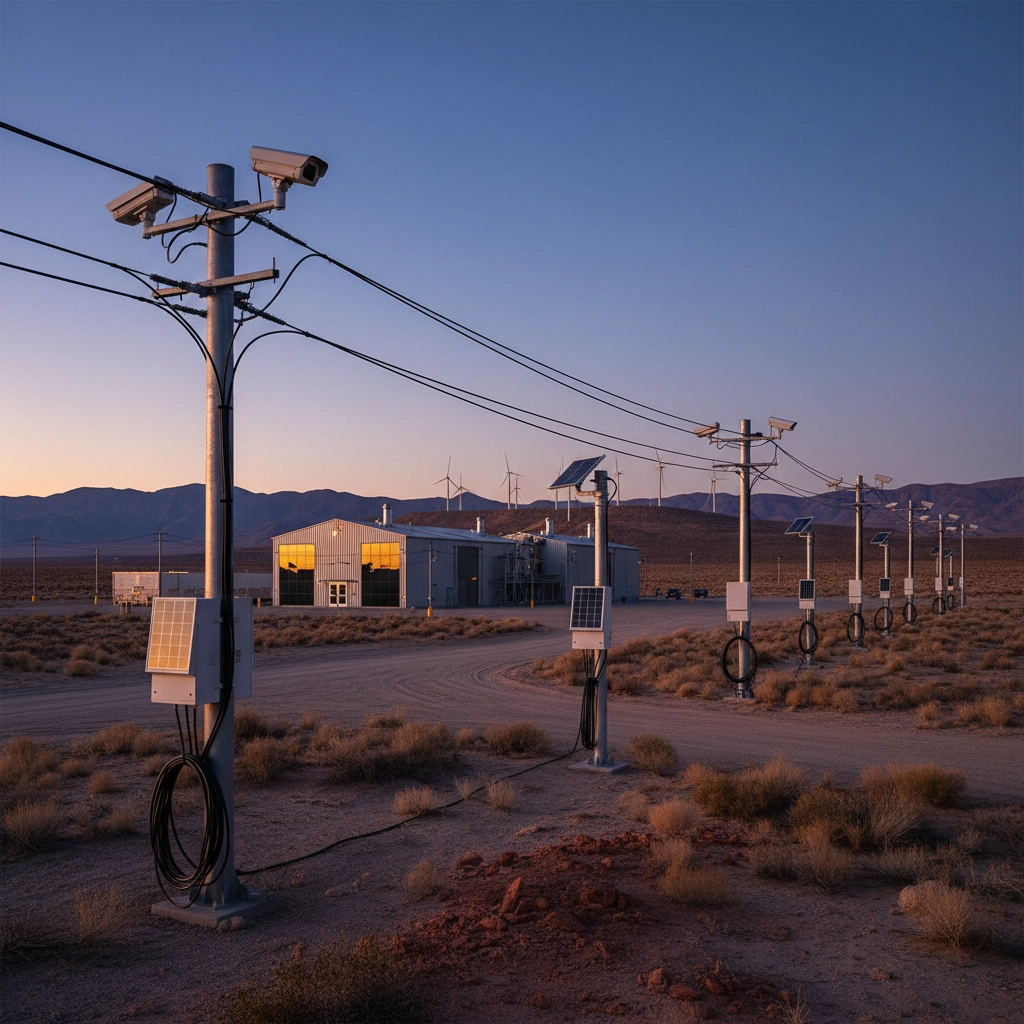
Remote installations present challenges that traditional systems simply cannot address cost-effectively. Your remote facilities: whether oil wells, mining operations, or infrastructure monitoring stations: operate beyond reliable grid access. This isolation creates a perfect storm of security vulnerabilities and operational constraints.
Power Infrastructure Limitations
You confront immediate barriers when extending electrical service to remote locations. Utility companies often require substantial upfront payments for line extensions, sometimes reaching hundreds of thousands of dollars for installations just miles from existing infrastructure. Environmental regulations may prohibit or severely restrict new electrical installations in sensitive areas.
Generator-based alternatives introduce their own complications. You must schedule regular fuel deliveries, often to locations with challenging access conditions. Mechanical failures occur at inconvenient times, leaving sites unmonitored during critical periods. Winter weather can disable generators, creating extended security gaps when threats are highest.
Communication Challenges
Traditional systems depend on reliable internet connectivity for remote monitoring capabilities. Rural and remote areas frequently lack adequate broadband infrastructure. Cellular coverage proves spotty or non-existent in many locations where you need security coverage most.
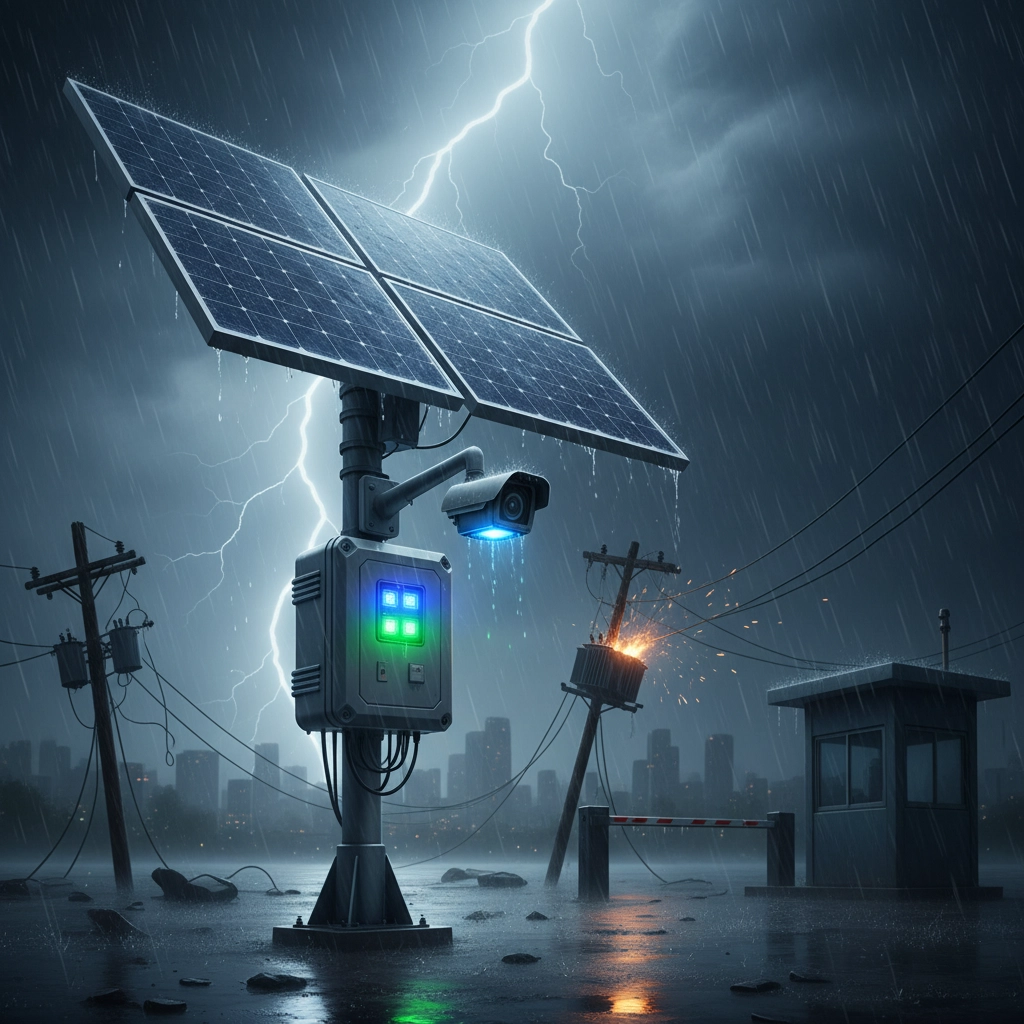
Weather events that threaten your remote assets simultaneously disable communication systems. Storms, floods, and extreme temperatures that create security concerns also knock out the very systems designed to monitor and protect your facilities.
Integrated Solar Solutions: The Modern Alternative
Solar-integrated security systems fundamentally reimagine how you approach remote site protection. These solutions combine photovoltaic panels, battery storage, wireless communication, and security components into unified systems designed specifically for off-grid applications.
Complete Energy Independence
Your solar security installation generates its own power throughout daylight hours while charging battery banks for continuous overnight operation. Modern lithium battery systems provide multi-day backup capacity, ensuring uninterrupted monitoring even during extended periods of cloud cover.
Advanced power management systems optimize energy consumption by adjusting camera resolution, transmission frequency, and processing intensity based on available battery reserves. During peak solar generation, systems operate at full capacity while building energy reserves for nighttime operations.
Wireless Communication Advantages
Integrated cellular modems eliminate dependence on local internet infrastructure. Multiple carrier compatibility ensures communication redundancy: if one cellular network experiences outages, your system automatically switches to available alternatives.
Satellite communication options provide ultimate connectivity assurance for locations beyond cellular coverage. While satellite solutions increase operational costs, they guarantee communication capabilities regardless of terrestrial infrastructure limitations.
Key Performance Advantages of Solar Integration
Your solar security investment delivers measurable operational improvements beyond simple cost savings. These systems provide capabilities that traditional approaches cannot match, particularly in challenging environments.
Rapid Deployment Capabilities
Solar security systems deploy in days rather than months required for traditional installations. You eliminate permitting delays associated with electrical infrastructure modifications. No trenching, conduit installation, or electrical contractor coordination streamlines project timelines significantly.
Portable configurations allow you to relocate security coverage as operational needs evolve. Seasonal monitoring requirements, temporary project security, and emergency response scenarios benefit from this flexibility.
Enhanced Reliability Through Redundancy
Battery backup systems provide power security that grid-connected installations cannot match. Power outages: often coinciding with security incidents: no longer compromise your monitoring capabilities.
Component redundancy built into solar systems ensures continued operation despite individual component failures. Modular designs allow you to expand coverage or replace components without system-wide shutdowns.
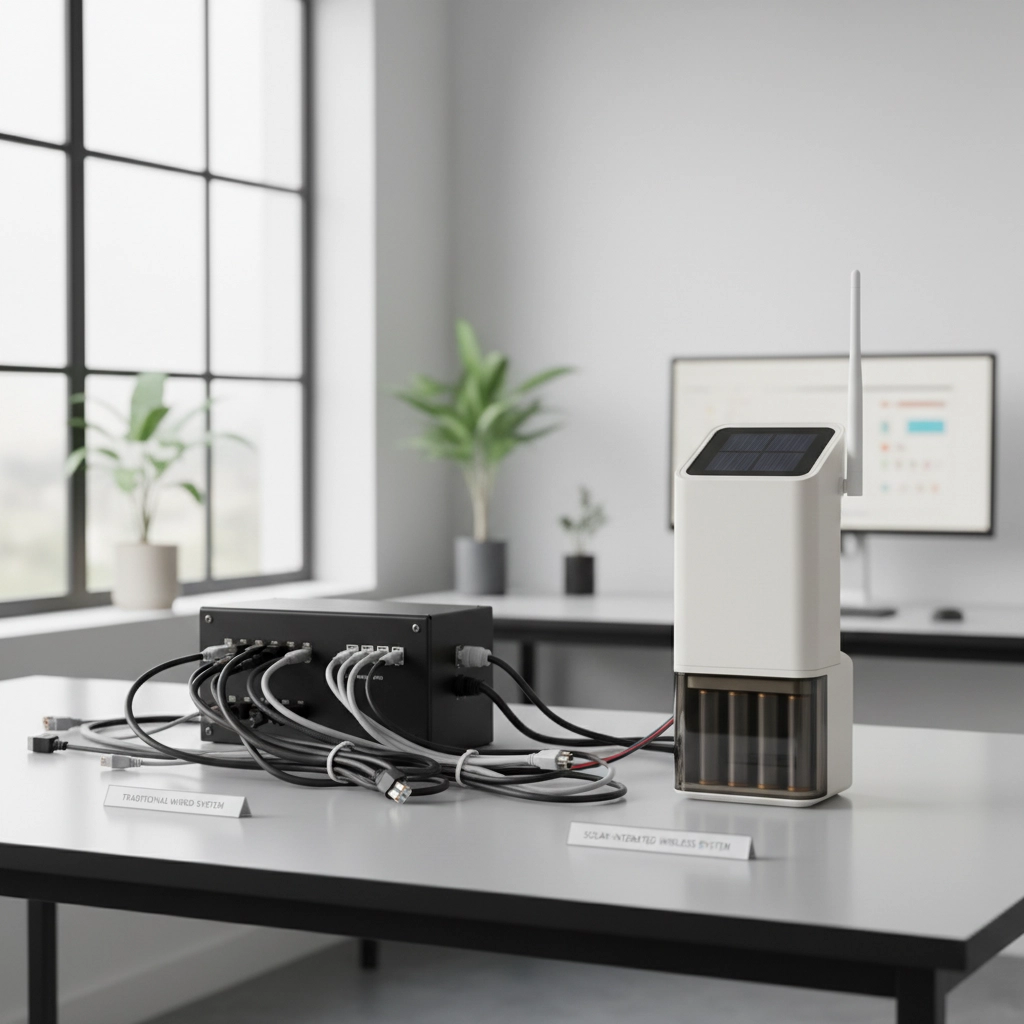
Cost Analysis: Solar vs. Traditional Systems
Your financial analysis must consider total lifecycle costs rather than initial purchase prices. Solar systems typically require higher upfront investments but deliver significant long-term savings through eliminated operational expenses.
Installation Cost Comparison
Traditional system installation costs escalate rapidly with distance from existing infrastructure. A basic grid-connected security system might cost $15,000 installed, but power extension costs can add $50,000-$200,000 depending on distance and terrain challenges.
Solar systems average $25,000-$45,000 for comprehensive remote installations, including all power generation, storage, and communication components. This represents immediate cost savings for sites requiring power infrastructure development.
Operating Expense Elimination
Grid-connected systems generate ongoing electricity costs that compound over system lifespans. Remote locations often face premium utility rates, increasing these expenses substantially.
Solar systems eliminate virtually all ongoing energy costs after installation. You pay only for cellular data transmission and periodic maintenance visits: typically reducing operational expenses by 80-90% compared to traditional alternatives.
Implementation Strategy for Your Remote Sites
Your solar security deployment succeeds through careful planning and phased implementation approaches. Start by evaluating your current remote security needs and identifying sites where traditional solutions prove inadequate or economically unfeasible.
Site Assessment Priorities
Conduct solar irradiation analysis for each potential installation location. Sites receiving 4+ peak sun hours daily provide optimal conditions for solar security systems. Consider seasonal variations that might affect winter performance in northern climates.
Evaluate existing security gaps at remote locations. Sites currently unmonitored due to infrastructure constraints represent immediate implementation opportunities where solar solutions provide previously impossible coverage.
System Sizing and Configuration
Right-size your solar installations based on actual security requirements rather than maximum theoretical capacity. Over-engineering systems wastes capital while under-sizing creates reliability issues.
Plan for expansion capabilities in your initial installations. Modular designs allow you to add cameras, sensors, or communication equipment as security needs evolve without complete system replacements.
Integration with Existing Security Infrastructure
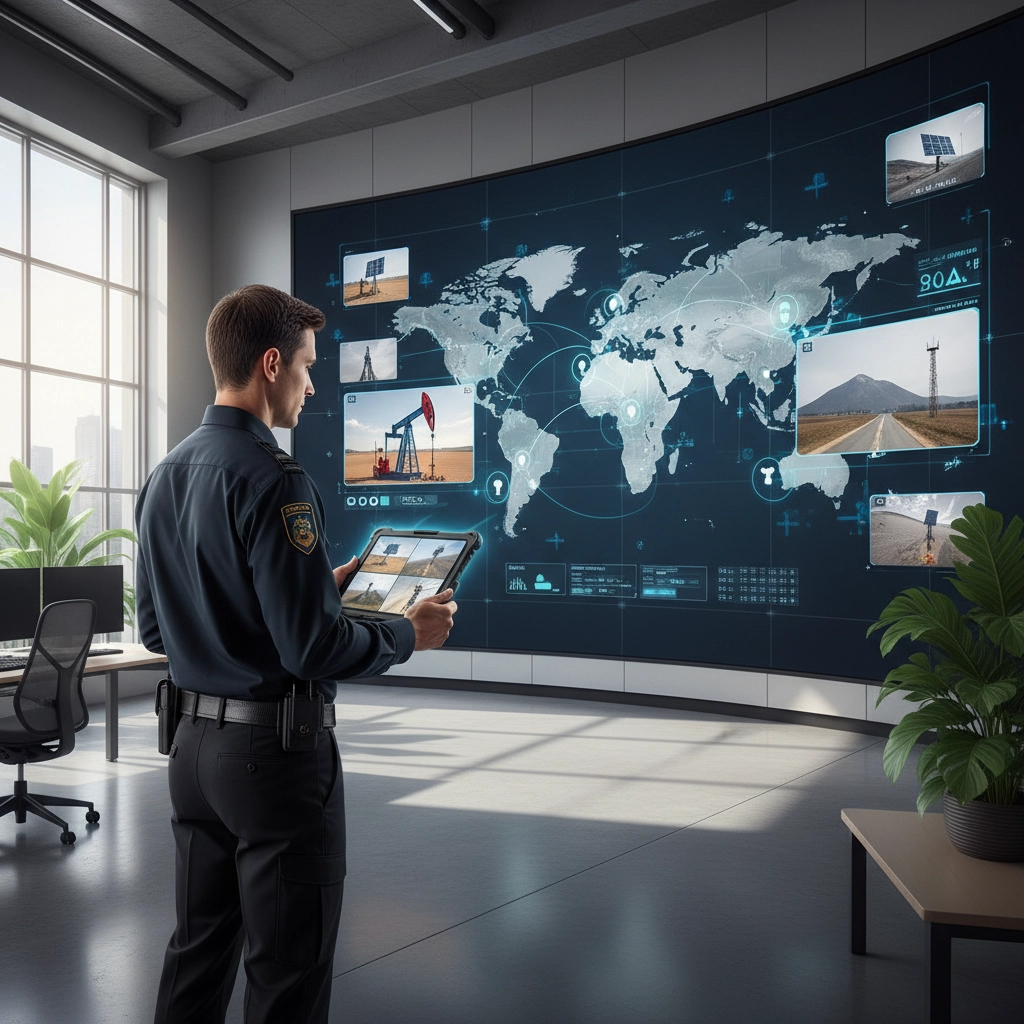
Your solar security installations must integrate seamlessly with existing monitoring systems and security protocols. Modern solutions provide compatibility with major security management platforms through standard communication protocols.
Central Monitoring Integration
Cloud-based management platforms consolidate monitoring from both traditional and solar-powered security installations. Your security team operates from familiar interfaces regardless of individual site power sources.
Automated alert systems ensure consistent response procedures across all monitored locations. Solar installations provide the same notification capabilities as traditional systems, maintaining operational consistency.
Scalability for Growing Operations
Your solar security infrastructure scales with operational expansion. New remote locations receive security coverage immediately upon site establishment rather than waiting for electrical infrastructure development.
Temporary security needs: construction projects, seasonal operations, emergency response: benefit from rapid deployment capabilities that traditional systems cannot provide.
Future-Proofing Your Security Investment
The security industry continues evolving toward sustainable, autonomous solutions. Your solar security investments position operations ahead of industry trends while delivering immediate operational benefits.
Advances in battery technology, solar panel efficiency, and wireless communication continue improving system capabilities while reducing costs. Early adoption provides operational experience and competitive advantages as these technologies mature.
Environmental regulations increasingly favor sustainable security solutions. Your solar installations demonstrate environmental responsibility while ensuring regulatory compliance for future operations.
Your remote security challenges demand solutions that traditional systems simply cannot provide. Integrated solar security systems offer the independence, reliability, and cost-effectiveness that remote operations require. The question isn't whether traditional systems are dead: it's whether you're ready to embrace the superior alternative that solar integration provides for your remote sites.
Start evaluating your remote security needs today. Identify locations where traditional approaches have failed or proven economically unfeasible. Your move toward solar-integrated security solutions positions your operations for enhanced protection, reduced costs, and sustainable growth in an increasingly remote-dependent economy.