You face a critical infrastructure decision that will impact your municipality's energy future, operational costs, and environmental commitments for decades to come. Choosing between off-grid and grid-connected EV charging systems requires careful evaluation of energy security, budget constraints, infrastructure requirements, and long-term sustainability goals. Each approach offers distinct advantages and challenges that significantly impact municipal budgets and service delivery.
Your choice will determine whether your municipality achieves energy independence or leverages existing infrastructure, affects how well you serve residents during emergencies, and influences your carbon footprint reduction efforts. Understanding the technical capabilities, financial implications, and operational requirements of each system empowers you to make an informed decision that aligns with your community's specific needs and strategic objectives.
Understanding Off-Grid EV Charging Systems
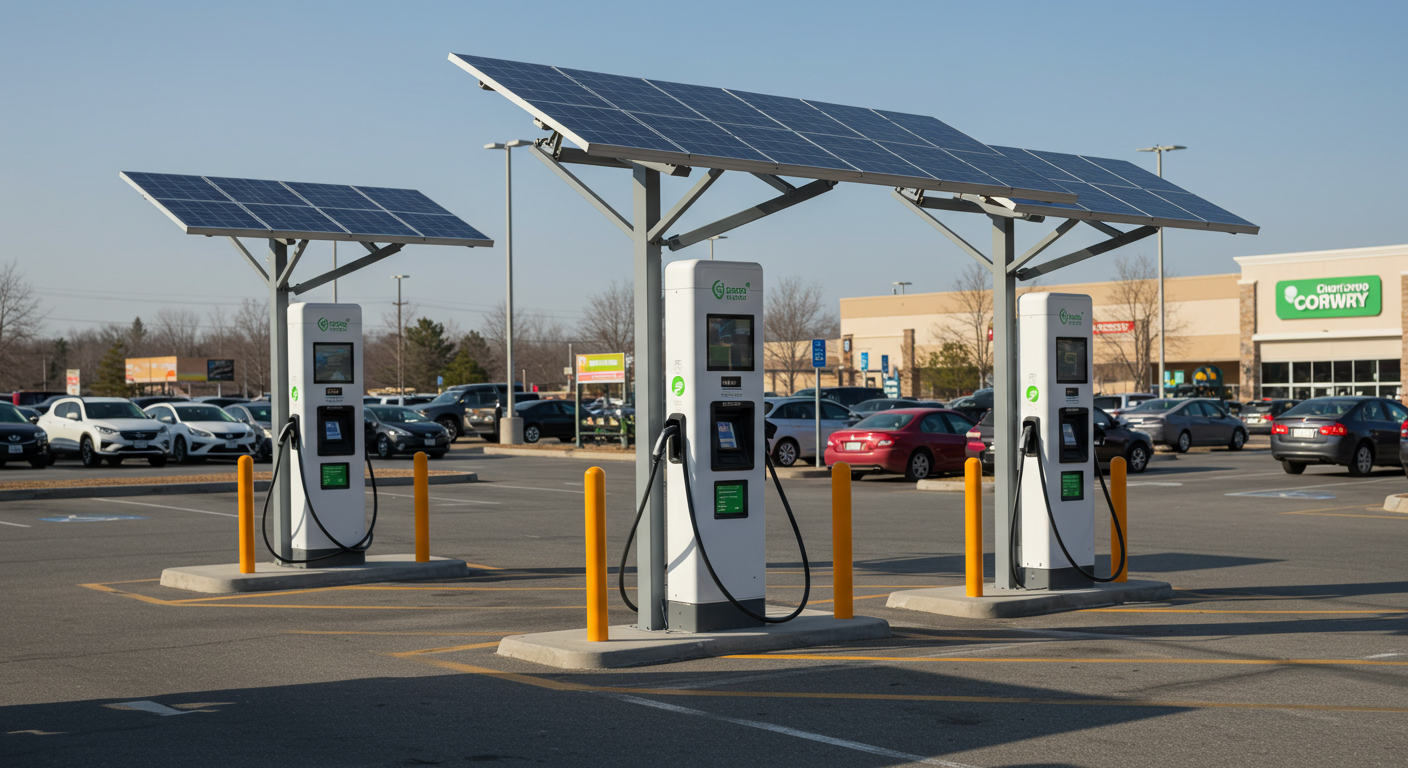
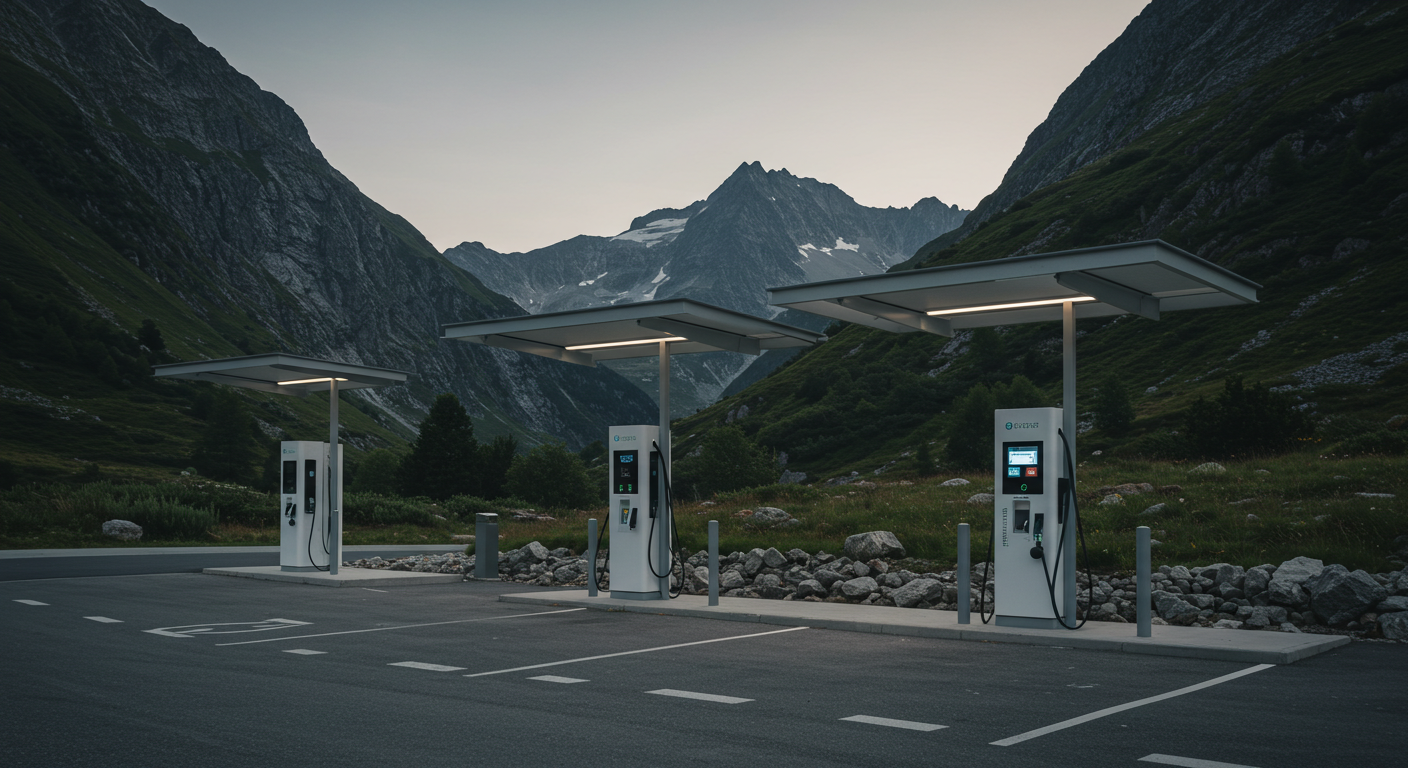
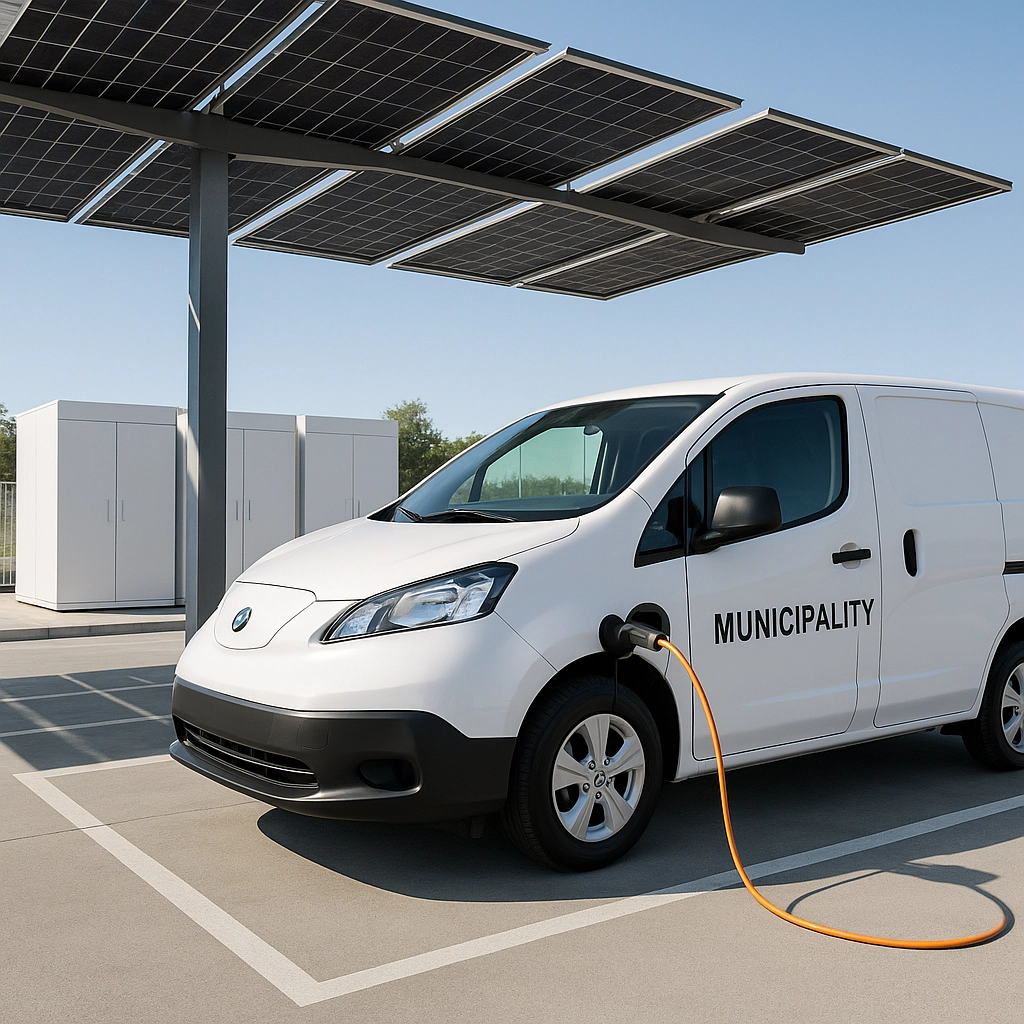
Off-grid EV charging systems operate independently from your municipal power grid, utilizing solar panels, battery energy storage, and fuel cell technology to generate and store electricity on-site. These systems provide energy independence and ensure EV charging availability even during grid outages or peak demand periods, making them particularly valuable for critical municipal fleet operations.
Your off-grid infrastructure generates electricity through renewable sources: primarily solar arrays: and stores excess energy in battery systems for use during periods of low sun or high demand. Advanced systems integrate fuel cells powered by hydrogen or ammonia to provide zero-emission backup power during extended periods of limited solar generation or emergency situations.
Core Advantages You'll Experience
Energy independence represents the most significant benefit you'll gain from off-grid systems. Your charging infrastructure operates regardless of grid stability, power outages, or regional energy supply disruptions. This resilience proves especially valuable for emergency response vehicles, public safety fleets, and essential municipal services that cannot afford downtime.
Battery storage capabilities allow you to reduce demand charges during peak usage periods, potentially lowering your long-term energy costs. You can integrate renewable energy sources directly with charging infrastructure, supporting your sustainability initiatives while reducing your municipality's carbon footprint. The predictable energy costs over time help you budget more accurately for operational expenses.
Off-grid systems provide flexibility for remote locations where grid connection proves expensive or impossible. Rural municipalities, park facilities, and outlying municipal buildings benefit from charging infrastructure without costly grid extension projects.
Challenges You Must Address
High upfront capital investment represents the primary obstacle you'll face with off-grid systems. Solar arrays, battery systems, and fuel cell equipment require substantial initial funding that may strain municipal budgets or require special financing arrangements. Battery replacement costs every 10-15 years add significant ongoing maintenance expenses to your long-term budget planning.
Solar-based systems suffer from intermittency issues, particularly in regions with limited sunlight or seasonal weather patterns. You'll need fuel cell backup systems to ensure consistent charging availability, adding complexity and cost to your infrastructure. System complexity increases operational and maintenance requirements, demanding specialized technical expertise from your municipal staff or contracted service providers.
Evaluating Grid-Connected EV Charging Systems
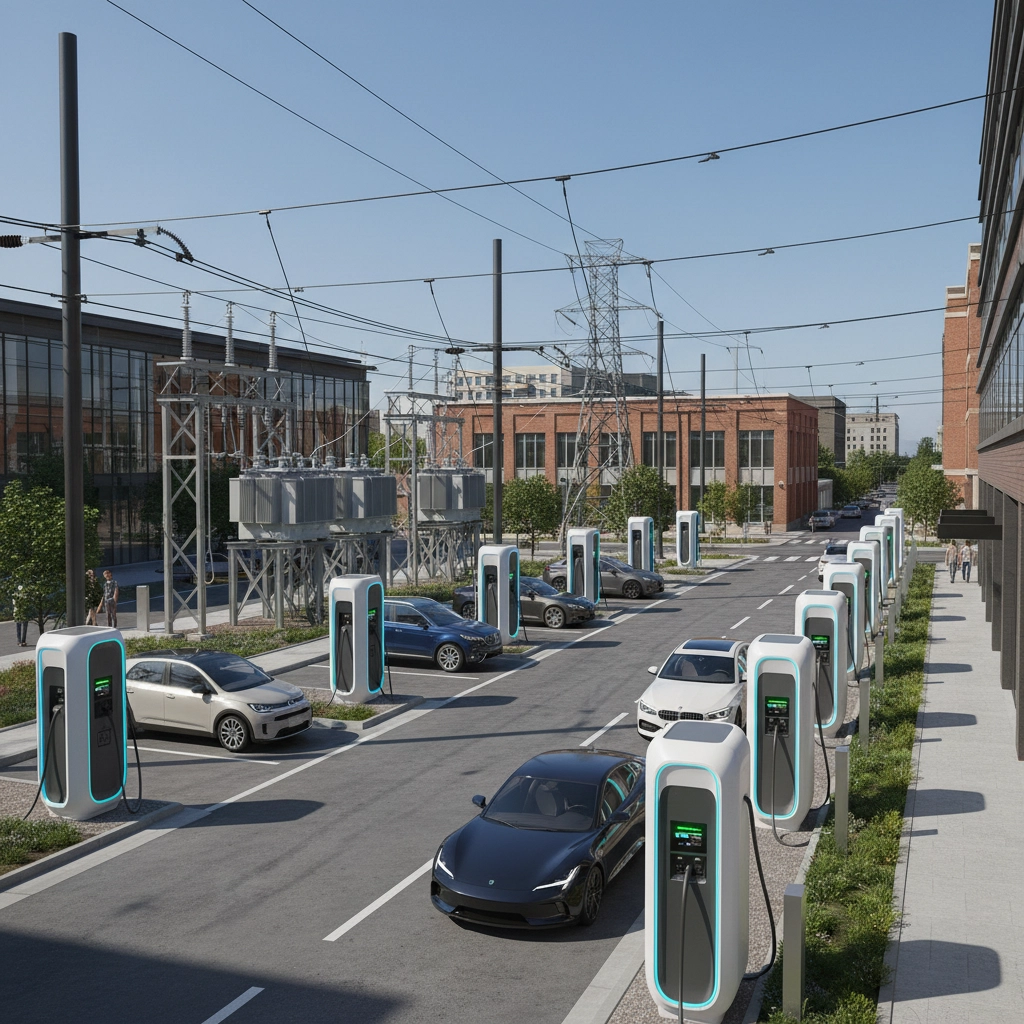
Grid-connected systems leverage your existing municipal electrical infrastructure to provide EV charging through Level 2 and DC fast charging stations. These systems integrate seamlessly with smart grid technologies, time-of-use pricing, and demand response programs to optimize energy costs and grid stability for your operations.
Your grid-connected infrastructure connects directly to established electrical networks, allowing you to scale charging capacity based on demand without generating power on-site. You can implement charging stations quickly using existing electrical connections and benefit from professional utility maintenance networks.
Key Advantages for Your Municipality
Lower upfront installation costs make grid-connected systems more accessible for municipalities with limited capital budgets. You can implement charging infrastructure quickly without waiting for complex solar and battery installations, enabling faster response to resident demands and fleet electrification timelines.
Net metering programs allow you to export excess renewable energy back to the grid and earn credits, substantially reducing your long-term electricity costs. Your municipal charging stations qualify for federal tax credits and state incentives, further offsetting initial expenses and improving project economics.
Grid-connected systems offer high reliability backed by established utility infrastructure and professional maintenance networks. You benefit from centralized renewable energy initiatives as your local grid incorporates more clean energy sources, reducing your carbon footprint without additional municipal investment.
Scalability advantages enable you to expand charging capacity easily as your fleet grows or public demand increases. You can add stations incrementally without redesigning entire power generation systems, providing operational flexibility for changing needs.
Limitations You Should Consider
Grid dependency creates vulnerability to regional power disruptions that could disable your charging infrastructure when you need it most. Your operational costs fluctuate based on utility pricing changes, making long-term budget planning more challenging compared to predictable off-grid systems.
The environmental impact depends directly on your local grid's energy mix. Municipalities in regions dependent on fossil fuel generation may perpetuate higher emissions despite electrifying their fleets. Peak demand charges can significantly increase your operational costs if multiple vehicles charge simultaneously during high-usage periods.
Direct Comparison: Off-Grid vs. Grid-Connected Systems
| Evaluation Factor | Off-Grid Systems | Grid-Connected Systems |
|---|---|---|
| Initial Investment | Very high (solar, batteries, fuel cells) | Lower to moderate |
| Long-Term Operating Costs | High maintenance, battery replacement | Variable (depends on utility pricing) |
| Energy Security | Independent, works during outages | Dependent on grid stability |
| Scalability | Limited by generation capacity | Highly scalable with existing infrastructure |
| Environmental Impact | Zero emissions with renewable sources | Dependent on grid carbon mix |
| Reliability | Weather-dependent, requires backup | High with professional utility support |
| Incentive Availability | Limited federal support | Extensive tax credits and rebates |
| Maintenance Requirements | Specialized expertise needed | Standardized, professionally supported |
| Installation Timeline | Extended (6-12 months) | Rapid (2-4 months) |
| Geographic Suitability | Best for high solar potential areas | Universal applicability |
Strategic Recommendations for Your Municipality
Choose Off-Grid Systems When Your Municipality:
Select off-grid infrastructure if you operate in remote locations with limited or unreliable grid access. Energy security and independence should drive your decision when emergency backup power for critical fleet operations represents a priority. Consider off-grid systems if you have established expertise in renewable energy management and strong solar resources in your geographic area.
Long-term energy cost predictability may justify high capital investment for municipalities with stable budgets and long-term planning capabilities. Off-grid systems work best when you can dedicate technical staff to specialized maintenance requirements or have access to qualified contractors.
Choose Grid-Connected Systems When Your Municipality:
Prioritize grid-connected infrastructure if lower initial costs and rapid deployment align with your budget constraints and timeline requirements. Access to federal tax credits and state incentives makes grid-connected systems more financially attractive for many municipalities.
Select grid-connected options when your local utility incorporates substantial renewable energy capacity, supporting your environmental goals without additional investment. Choose grid-connected systems if serving high-demand charging corridors and public charging networks represents your primary objective.
Grid-connected infrastructure suits municipalities preferring standardized, professionally-maintained systems with established support networks. Consider this approach when scalability and future expansion flexibility are important for your long-term planning.

Hybrid Approach: Combining Both Systems
Many municipalities achieve optimal outcomes through combination strategies that leverage both systems' strengths. Implement grid-connected infrastructure for your primary municipal fleet needs and high-traffic public charging locations while deploying off-grid solar canopy systems with battery storage at remote facilities or as emergency backup.
This hybrid model balances reliable daily operations with energy independence during emergencies. You can serve regular charging demand through cost-effective grid connections while maintaining critical charging capability during power outages or peak demand periods.
Hybrid systems provide flexibility to adapt to evolving energy markets and climate resilience requirements. You can expand either system component based on changing needs, budget availability, and technological advances without redesigning your entire infrastructure.
Making Your Final Decision
Your municipality's specific circumstances, geographic location, budget constraints, and strategic priorities should guide your charging infrastructure choice. Evaluate your energy security requirements, technical capabilities, and long-term sustainability goals before committing to either approach.
Consider conducting a detailed cost-benefit analysis that includes installation costs, operational expenses, maintenance requirements, and available incentives over a 15-20 year planning horizon. Engage with experienced contractors specializing in municipal EV infrastructure to assess your site-specific conditions and requirements.
The decision you make today will influence your municipality's energy resilience, operational efficiency, and environmental impact for decades. Choose the system that best supports your community's needs while positioning your municipality for future energy challenges and opportunities.
For comprehensive project management support with your EV charging infrastructure implementation, visit Bi State Developers Inc to explore how our expertise in off-grid energy systems can guide your municipality's transition to sustainable transportation infrastructure.