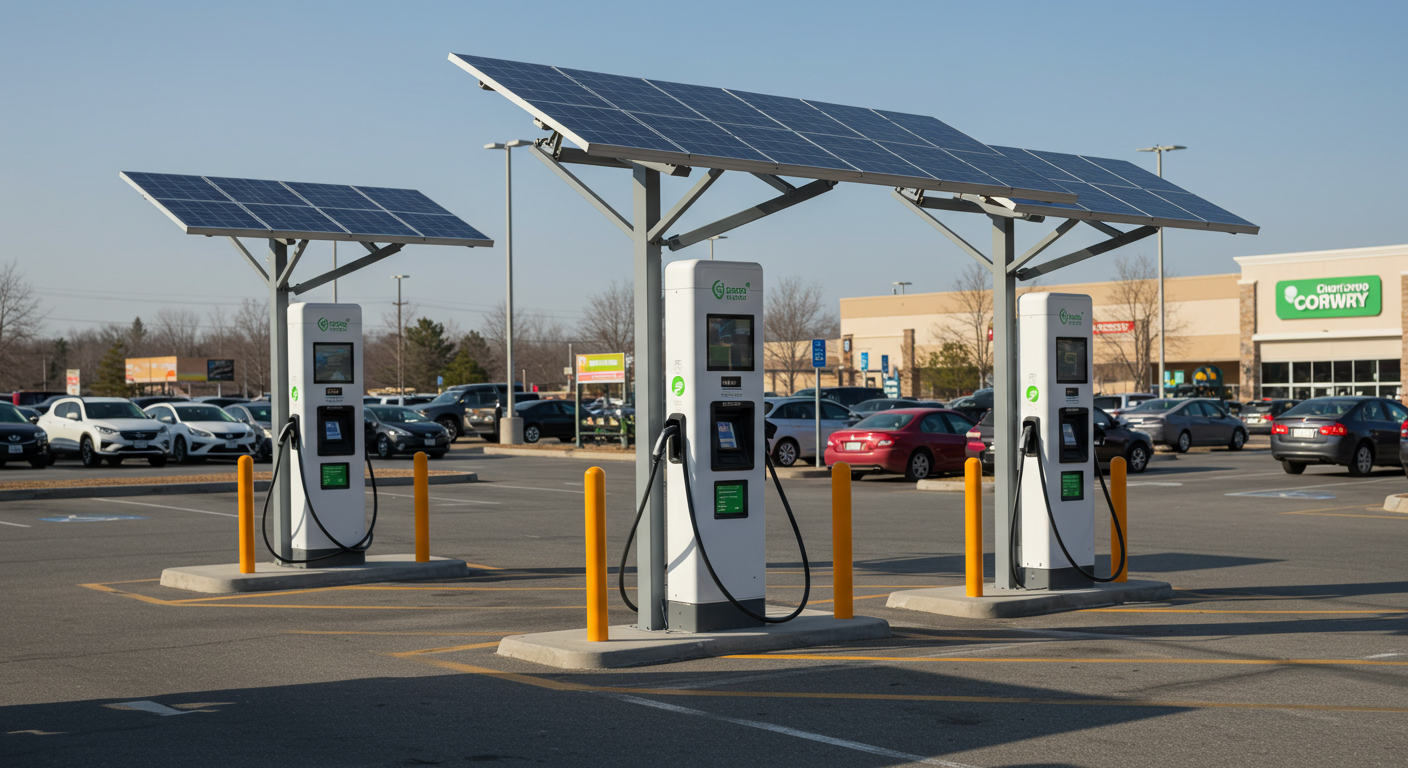
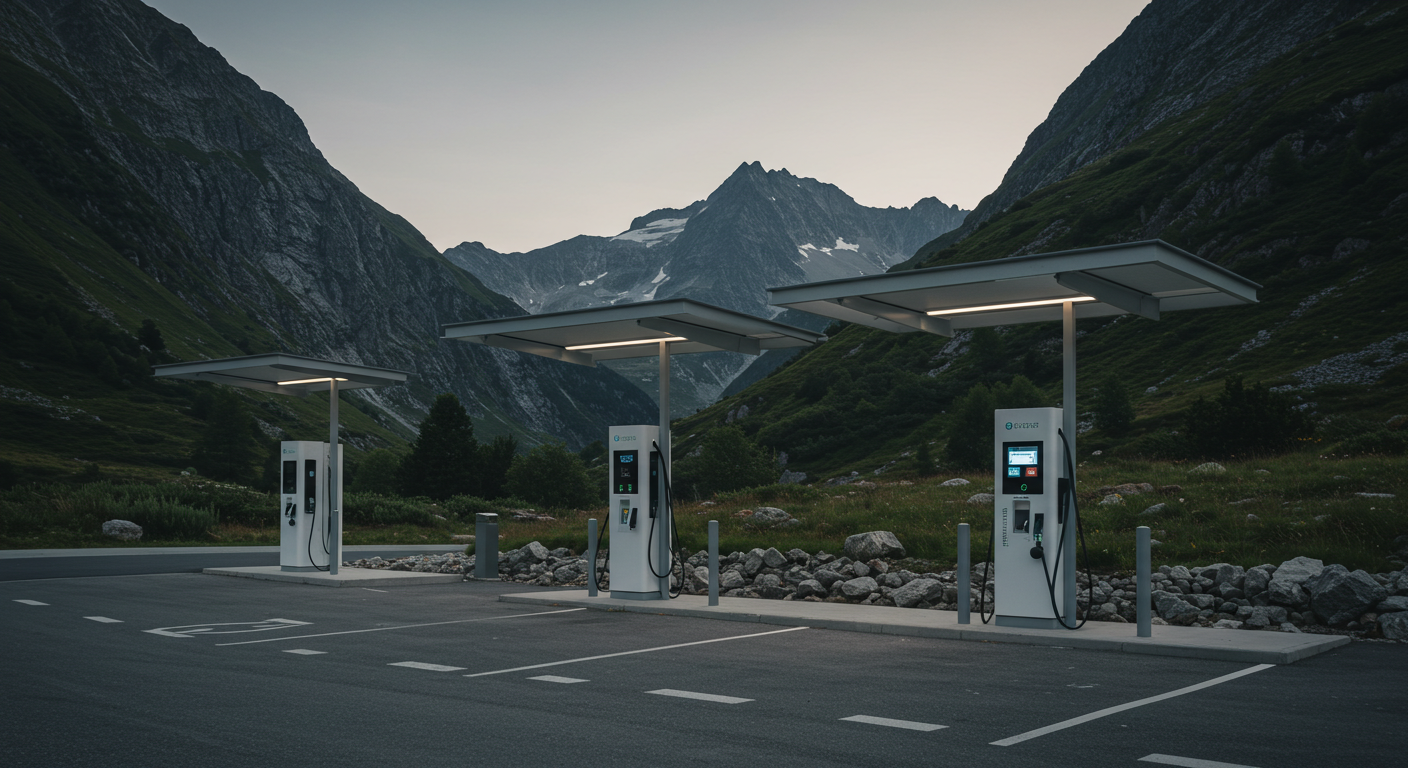
Government agencies across the country are rapidly adopting electric vehicles to meet sustainability goals and reduce operational costs. However, when it comes to off-grid EV charging infrastructure, many agencies are making costly mistakes that undermine their clean energy initiatives. These errors not only waste taxpayer dollars but also compromise the reliability of critical government operations.
If your agency is planning or currently operating off-grid EV charging stations, you need to identify and correct these common pitfalls before they become expensive problems. Here are the seven most frequent mistakes we see government agencies make with off-grid EV charging systems: and the proven solutions to fix them.
Mistake #1: Undersizing Your Battery Storage System
Your off-grid EV charging station's battery bank is its lifeline, yet most government agencies dramatically underestimate their storage requirements. This mistake stems from focusing solely on daily charging needs without accounting for weather variability, seasonal changes, and emergency backup requirements.
When you undersize your battery system, you create a cascade of problems. Your charging station becomes unreliable during cloudy periods, forcing you to rely on backup generators more frequently. This defeats the purpose of your clean energy investment and increases operational costs.
The Fix: Calculate your battery capacity using the "three-day rule." Size your battery bank to provide three full days of charging operations without any solar input. Factor in battery aging, temperature derating, and depth-of-discharge limitations. For most government fleet applications, this translates to 2-3 times the battery capacity you initially calculated.
Work with experienced off-grid system designers who understand government fleet requirements. They can help you model different scenarios and ensure your system remains reliable year-round.

Mistake #2: Ignoring Load Management and Smart Charging
Many government agencies treat off-grid EV charging like plugging into the wall at home. They install charging stations without implementing proper load management systems, leading to power quality issues and system failures.
Without smart charging protocols, multiple vehicles charging simultaneously can overwhelm your off-grid system. This creates voltage drops, reduces charging efficiency, and can damage both your charging equipment and vehicle batteries.
The Fix: Implement intelligent load management systems that sequence charging based on available power and battery state-of-charge. Install charging stations with built-in load balancing capabilities that communicate with your solar and battery systems.
Consider time-of-use charging strategies that prioritize charging during peak solar production hours. This maximizes your renewable energy utilization and reduces strain on your battery bank during evening and overnight periods.
Mistake #3: Poor Solar Array Design and Positioning
Your solar array is the primary energy source for your off-grid charging system, yet many agencies make fundamental errors in array design and installation. Common mistakes include inadequate tilt optimization, poor spacing that creates shading issues, and insufficient cleaning access.
Government facilities often have unique constraints: security requirements, aesthetic considerations, and existing infrastructure: that complicate solar installations. However, compromising on optimal solar design significantly impacts your system's performance and reliability.
The Fix: Conduct thorough site assessments that account for seasonal sun angles, potential shading sources, and local weather patterns. Design your array with proper row spacing to minimize inter-row shading, especially during winter months when the sun angle is lower.
Install monitoring systems at the panel level to identify performance issues quickly. Ensure easy access for cleaning and maintenance, as dirty panels can reduce output by 20% or more in dusty government facility environments.
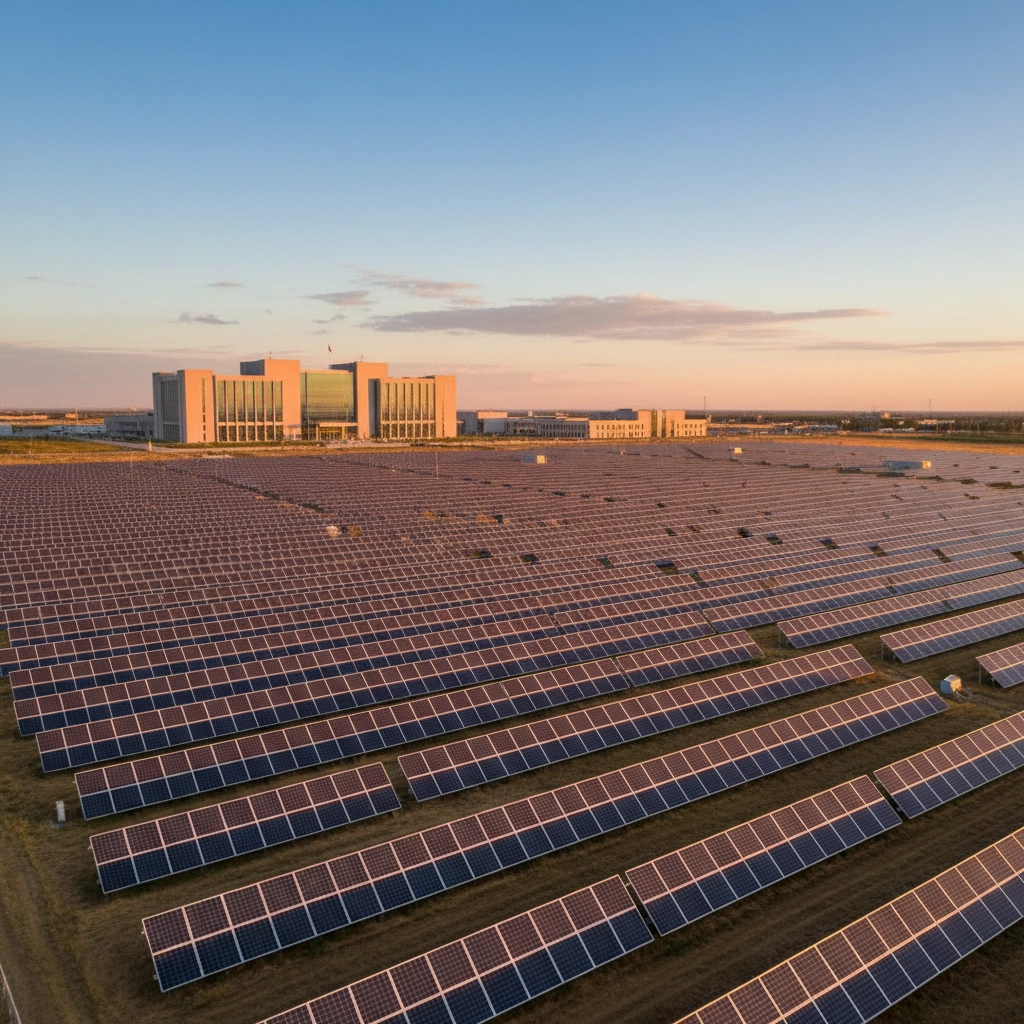
Mistake #4: Inadequate System Monitoring and Data Collection
Government agencies often install off-grid EV charging systems and then operate them blindly. Without proper monitoring, you cannot identify performance issues, optimize operations, or demonstrate ROI to stakeholders and taxpayers.
Many agencies only discover problems when their charging stations fail completely, resulting in fleet downtime and emergency repair costs. This reactive approach undermines the reliability that government operations demand.
The Fix: Install comprehensive monitoring systems that track solar production, battery state-of-charge, charging station utilization, and energy consumption patterns. Choose monitoring platforms that provide remote access and automated alerting for system anomalies.
Establish regular reporting protocols that document system performance, energy savings, and maintenance activities. This data proves valuable for budget justification, system optimization, and replication across other government facilities.
Mistake #5: Neglecting Preventive Maintenance Protocols
Off-grid EV charging systems require regular maintenance to maintain optimal performance and longevity. However, many government agencies treat these systems as "set-and-forget" installations, leading to premature component failures and reduced system lifespan.
Battery systems, in particular, require regular attention to maintain performance and warranty coverage. Neglecting maintenance protocols can void equipment warranties and result in costly premature replacements.
The Fix: Develop comprehensive maintenance schedules that address all system components: solar panels, batteries, inverters, and charging equipment. Train your facilities staff on basic troubleshooting and maintenance procedures, or establish service contracts with qualified technicians.
Document all maintenance activities and track component performance trends. This proactive approach extends equipment life, maintains warranty coverage, and ensures reliable operations for your government fleet.
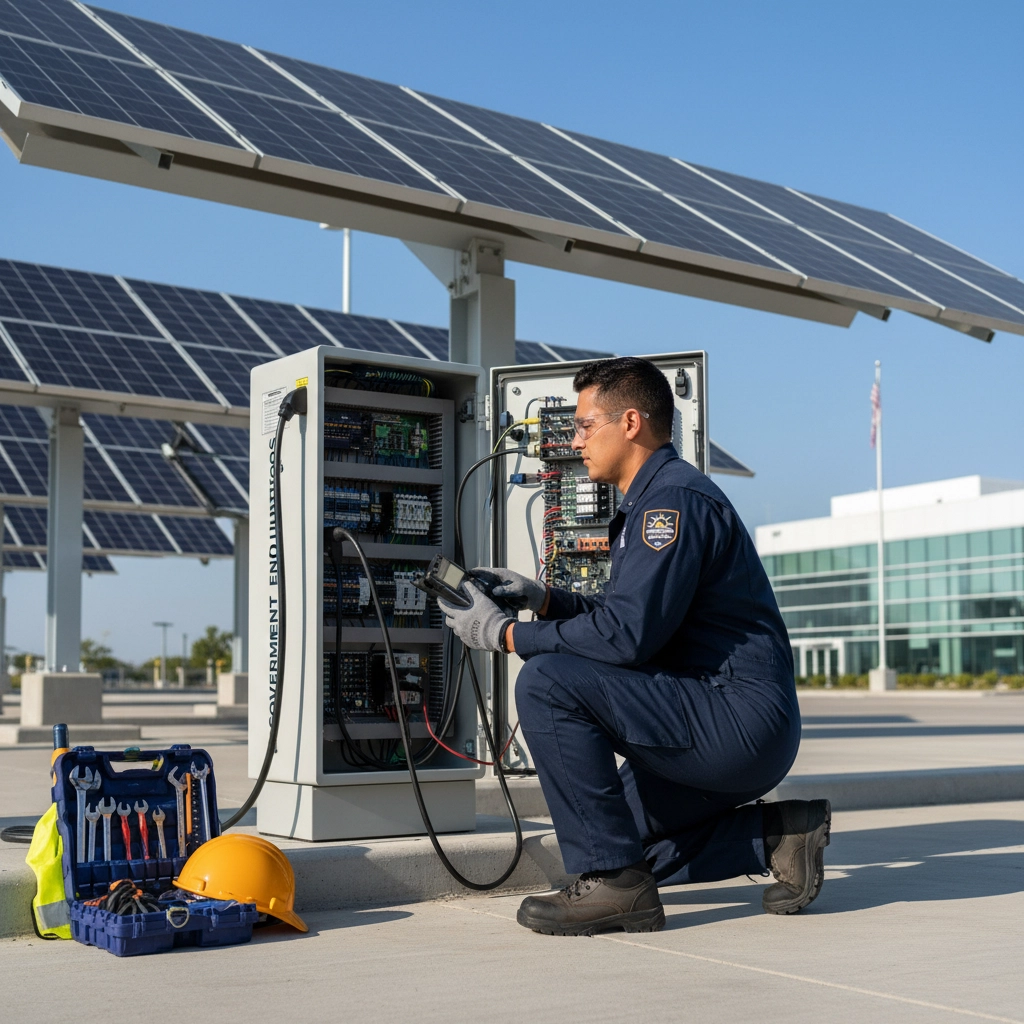
Mistake #6: Overlooking Cybersecurity and Physical Security
Government facilities face unique security challenges, and off-grid EV charging stations introduce new vulnerabilities that many agencies overlook. These systems often include network connectivity for monitoring and control, creating potential cybersecurity risks.
Physical security is equally important. Charging stations contain valuable copper wiring and expensive electronic components that attract theft. Solar panels and batteries are also attractive targets for criminals.
The Fix: Implement cybersecurity protocols that treat your charging infrastructure as critical government systems. Use secure communication protocols, regular security updates, and network segmentation to protect against cyber threats.
Install appropriate physical security measures including lighting, cameras, and secure equipment enclosures. Consider integrated security systems that combine charging infrastructure monitoring with facility security systems.
Mistake #7: Failing to Plan for System Expansion and Future Needs
Government agencies often install off-grid EV charging systems based on current fleet requirements without considering future expansion needs. This short-sighted approach results in costly system modifications when fleet electrification goals expand.
As EV adoption accelerates across government fleets, your charging infrastructure must accommodate additional vehicles and potentially higher-capacity charging requirements. Systems designed without expansion capabilities become obsolete quickly.
The Fix: Design your off-grid charging systems with modular expansion capabilities. Install electrical infrastructure rated for future capacity increases, and choose system components that can scale effectively.
Plan for emerging technologies like vehicle-to-grid capabilities and faster charging standards. Work with system integrators who understand government fleet electrification roadmaps and can design adaptable infrastructure.
Taking Action on Your Off-Grid EV Charging Strategy
These seven mistakes represent the most common pitfalls we encounter when working with government agencies on off-grid EV charging projects. By addressing these issues proactively, you can ensure your investment delivers reliable, cost-effective charging infrastructure that supports your agency's sustainability goals.
Remember that off-grid EV charging systems are complex installations that require specialized expertise. Partner with experienced system integrators who understand government requirements and can guide you through proper system design, installation, and commissioning.
Your agency's commitment to clean transportation deserves infrastructure that works reliably and efficiently. By avoiding these common mistakes, you can create off-grid charging systems that serve your government fleet effectively for decades to come.
Ready to evaluate your current off-grid EV charging infrastructure or plan new installations? Contact our team to discuss your agency's specific requirements and develop solutions that avoid these costly mistakes.
Take the Next Step
'Ready to avoid EV charging mistakes? Contact Bi State Developers Inc for expert help.'
Choose the way that works best for you:
- Visit https://www.bistatedevelopers.com/contact
- Email dan@bistatedevelopers.com
- Call 970-436-0580
We're ready to help you design reliable, secure, and scalable off-grid charging that keeps your operations moving.