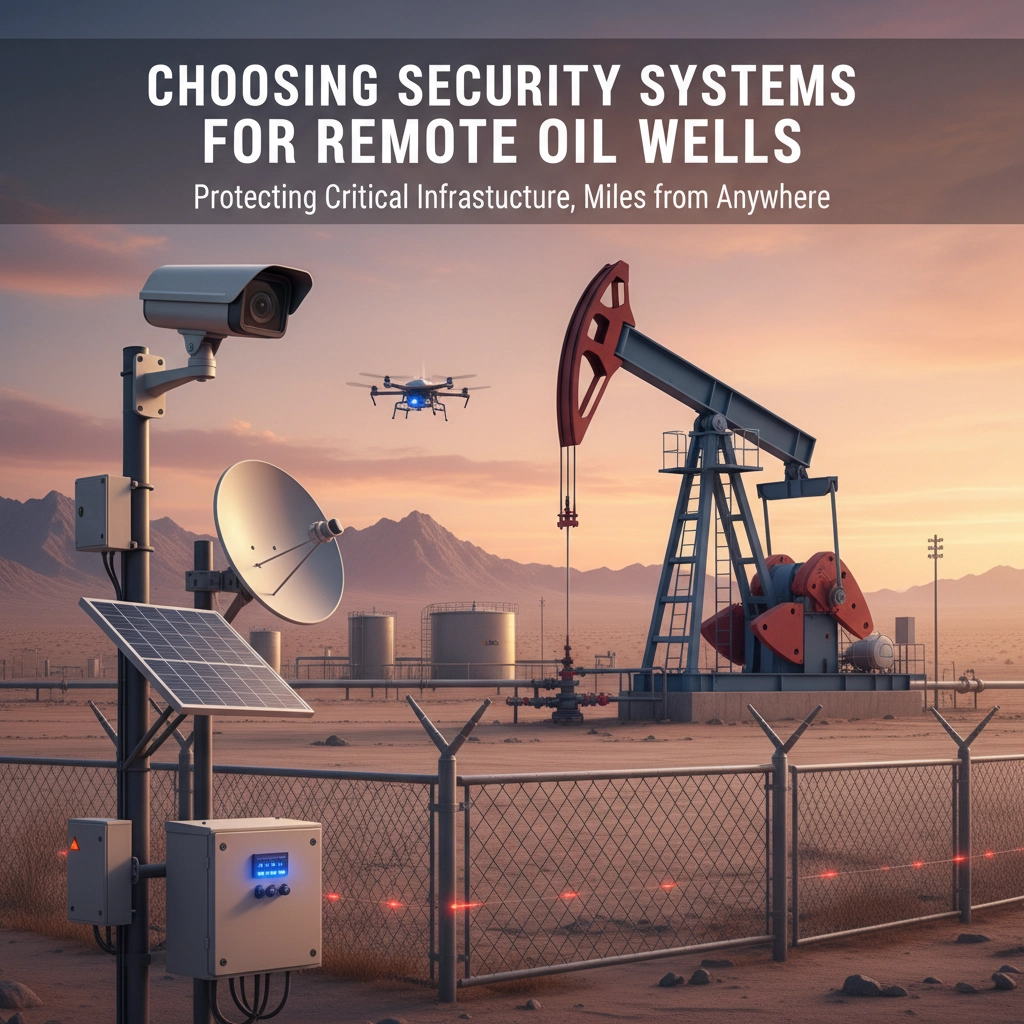
Remote oil wells present unique security challenges that require specialized solutions. Your success in protecting these valuable assets depends on selecting the right combination of technologies that can operate reliably in harsh environments while providing comprehensive monitoring capabilities. Understanding these requirements will help you make informed decisions that protect both your infrastructure and your investment.
Assess Your Unique Operational Environment
Start by evaluating the specific challenges your remote oil well sites face. These locations typically operate in extreme weather conditions, lack reliable power infrastructure, and sit in isolated areas where traditional security measures fall short. Your security system must withstand temperature fluctuations, dust, moisture, and severe weather while maintaining continuous operation.
Consider the geographical scope you need to cover. Remote oil wells often span vast areas with multiple entry points and critical infrastructure scattered across the site. Your security solution must provide comprehensive coverage without creating blind spots that could compromise your operations.
Document your current infrastructure limitations. Most remote sites lack consistent electrical power and reliable internet connectivity, which means your security systems need to be self-sufficient. Understanding these constraints upfront will guide your technology selection and help you avoid costly installation mistakes.

Select Core Security Technologies That Deliver Results
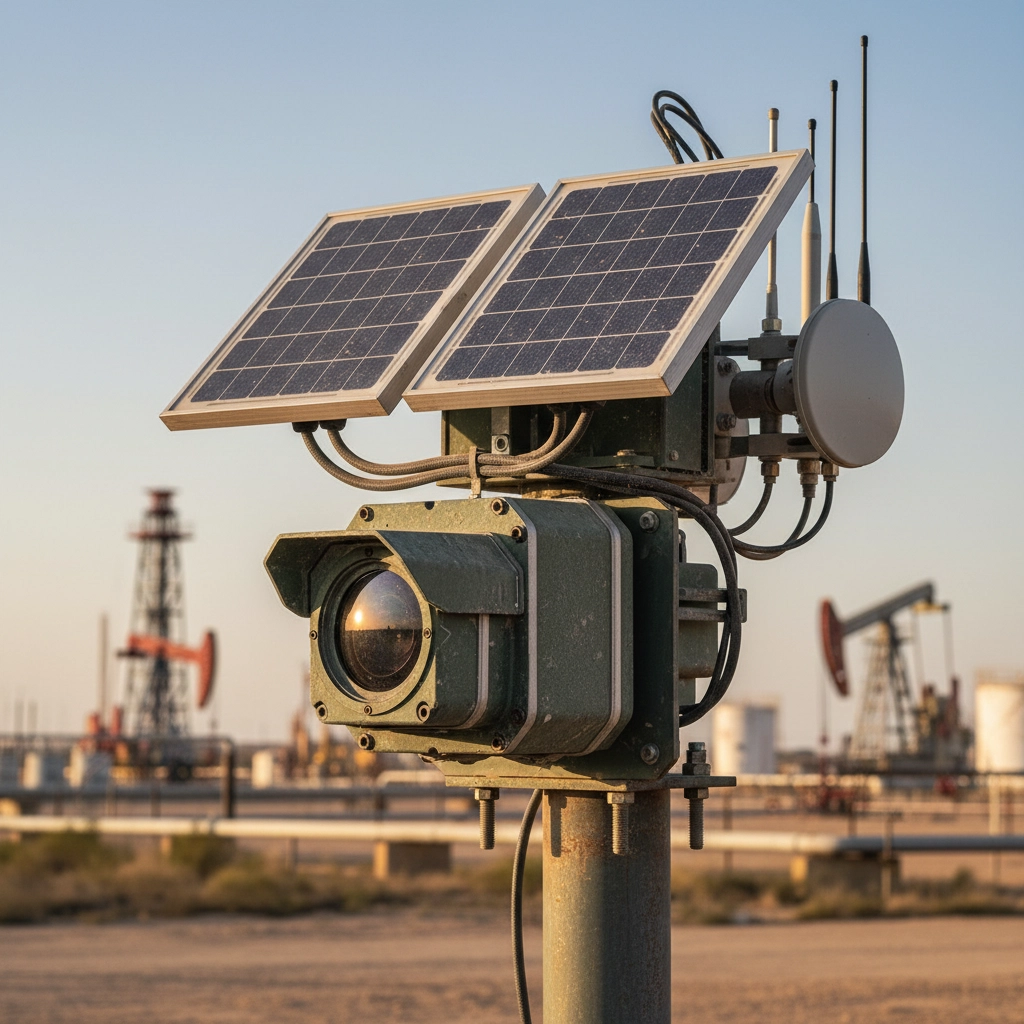
Choose video surveillance systems as your foundation technology. High-definition cameras equipped with thermal imaging capabilities provide superior detection compared to standard infrared systems. Thermal cameras detect heat signatures at greater distances with higher accuracy, making them essential for monitoring large perimeters in challenging conditions.
Implement pan-tilt-zoom (PTZ) cameras for areas requiring detailed monitoring. These systems allow your security operators to focus on specific zones and track movements in real-time. Position cameras strategically to cover all entry points and sensitive equipment areas, ensuring overlapping coverage to eliminate blind spots.
Deploy access control solutions to prevent unauthorized entry. License plate readers, RFID technology, and cellular-based telephone entry systems integrate seamlessly with gate controllers. These systems enable you to manage vehicle access remotely while maintaining detailed logs of all site entries and exits.
Install advanced sensor technologies for comprehensive perimeter protection. Fiber-optic perimeter sensors provide pipeline monitoring capabilities, while laser sensors offer precise intrusion detection. For sites near water sources, underwater sonar grids can monitor marine approaches and detect potential threats from multiple directions.
Ensure Reliable Power and Connectivity Solutions
Design your system around solar-based power solutions. Remote oil well sites require sustainable energy sources that operate independently of the electrical grid. Solar power systems provide consistent energy for continuous security operation while reducing long-term operational costs.
Establish cellular-based network connectivity for reliable data transmission. Even in isolated areas, cellular networks can transmit live video feeds and sensor data to your centralized monitoring centers. This connectivity ensures your security team maintains real-time visibility into site conditions regardless of location.
Consider satellite communication as a backup option for critical sites. When cellular coverage is limited or unreliable, satellite systems provide redundant communication paths that ensure your security systems remain operational during emergencies or network outages.
Plan for energy storage capacity that supports extended operation. Your battery systems should provide at least 72 hours of continuous operation to maintain security coverage during periods of limited solar charging or adverse weather conditions.
Address Environmental and Durability Requirements
Select equipment rated for extreme environmental conditions. Your security hardware must operate reliably in temperature ranges from -40°F to 140°F while resisting dust, moisture, and corrosive elements common in oil field environments. Industrial-grade components cost more initially but deliver superior long-term reliability.
Position cameras and sensors at appropriate heights to prevent tampering. Install cameras at least nine feet off the ground and use protective housings designed for harsh environments. This placement protects your investment while maintaining optimal viewing angles for security monitoring.
Implement redundant systems for critical security functions. Deploy multiple sensors covering the same areas using different detection technologies. This redundancy ensures continued protection even if individual components fail due to environmental factors or equipment malfunctions.
Establish regular maintenance schedules that account for environmental challenges. Remote locations make maintenance more complex and expensive, so select systems with proven reliability records and comprehensive warranty coverage. Plan maintenance visits to coincide with operational activities to minimize travel costs.
Deploy Advanced Analytics and Monitoring Capabilities
Configure video analytics with geofencing and virtual zones that operate on predefined schedules. These automated systems can eliminate up to 60% of false alarms while maintaining high detection accuracy. Set up trip lines and motion detection zones that align with your operational requirements and threat assessment priorities.
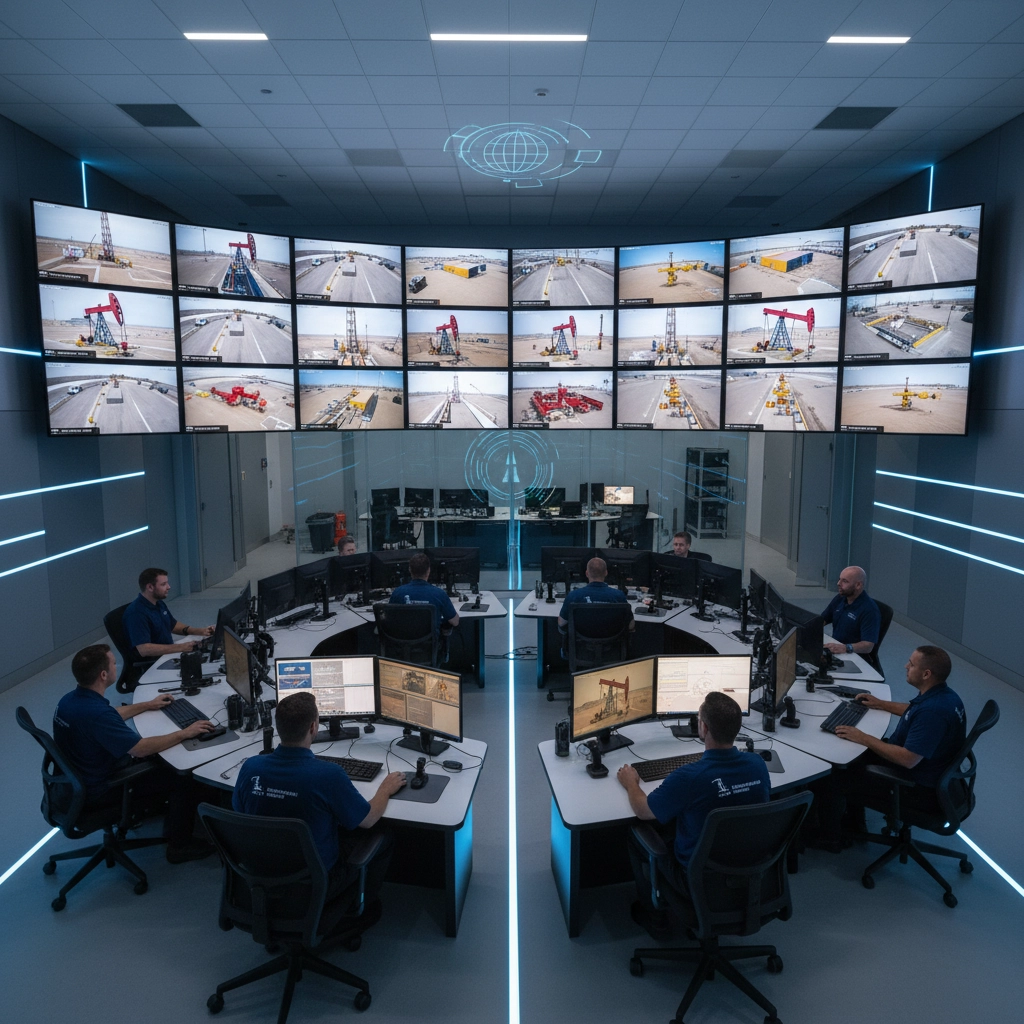
Establish centralized monitoring capabilities that provide real-time situational awareness. Your security operations center should monitor multiple well sites from a single location, enabling rapid response to security incidents across your entire operation. This centralized approach reduces staffing costs while improving response coordination.
Integrate automated alert systems that notify key personnel immediately when security events occur. Configure alerts for different threat levels, ensuring appropriate response teams receive timely notifications without overwhelming staff with routine system notifications.
Implement data analytics that track security performance over time. Monitor detection rates, false alarm frequencies, and response times to identify areas for system improvement. This data helps you optimize your security investment and demonstrate the value of your security programs to stakeholders.
Plan Your Implementation Strategy for Maximum Effectiveness
Begin with comprehensive risk assessment using established security methodologies. Identify specific vulnerabilities at each site and prioritize security measures based on threat likelihood and potential impact. This systematic approach ensures your security investment addresses the most critical risks first.
Coordinate installation activities with operational requirements to minimize production disruption. Schedule system deployment during planned maintenance windows or low-activity periods. Proper coordination protects your revenue while ensuring thorough system testing and integration.
Establish network segmentation that protects operational technology from security system vulnerabilities. Properly configured network architecture can prevent 90% of ransomware lateral movement while maintaining secure communication between security devices and monitoring centers.
Train your operational staff on security system capabilities and procedures. Your team should understand how to respond to security alerts, operate access control systems, and perform basic troubleshooting. Well-trained personnel maximize your security system effectiveness and reduce response times during incidents.
Measure and Optimize Your Security Performance
Track key performance indicators that demonstrate security system effectiveness. Monitor metrics such as incident reduction rates, detection accuracy, and false alarm frequencies. Properly implemented systems typically achieve 85% reductions in security incidents while improving overall site safety.
Document cost savings from improved security performance. Calculate reductions in theft losses, vandalism repair costs, and insurance premiums. These financial benefits often justify security system investments while providing data for future budget planning.
Conduct regular system reviews that identify opportunities for enhancement. Technology evolves rapidly, and periodic assessments help you incorporate new capabilities that improve security effectiveness. Schedule annual reviews that examine both system performance and changing threat landscapes.
Maintain detailed records of all security events and system performance data. This documentation supports insurance claims, regulatory compliance requirements, and legal proceedings when necessary. Comprehensive records also help you identify patterns that inform future security planning decisions.
Your investment in comprehensive security systems for remote oil wells protects valuable assets while supporting operational efficiency. The right combination of technologies, properly implemented and maintained, delivers measurable improvements in safety, security, and operational performance that justify the initial investment and ongoing operational costs.